
Breakfast & Brunch
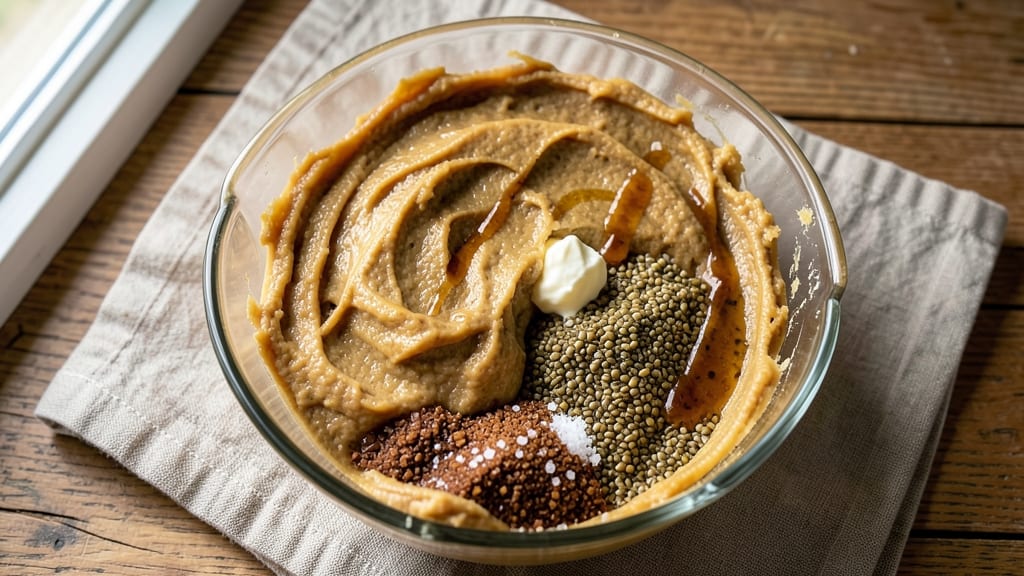
This chewy cookie recipe no egg delivers restaurant-quality texture using a simple cold butter trick that creates that coveted sandpaper crunch. The secret lies in mixing cold cubed butter into the dough, which prevents overmixing while creating pockets of fat that yield a perfectly chewy center and crisp edges.
I've perfected this egg-free version after years of testing, and it consistently produces cookies that hold their shape while staying tender enough to melt in your mouth.
The foundation of these cookies is a balanced ratio of brown sugar for caramel depth and white sugar for crisp edges, combined with a flaxseed "egg" replacement that binds without compromising texture.
We'll use a foolproof mixing method that ensures even distribution of ingredients, followed by precise baking times to achieve that signature chewy yet slightly crisp exterior. This recipe works beautifully with substitutions like applesauce or mashed banana for the egg replacement, making it versatile for dietary preferences.
What sets these apart is the cold butter technique—cutting butter into small cubes before mixing creates those signature pockets that transform into chewy pockets as they bake.
The cookies will emerge from the oven with golden edges and a slightly underbaked center that continues to set as they cool, resulting in that perfect chewy texture that's impossible to resist. This method also prevents overbrowning while ensuring maximum flavor development.
Once baked, let the cookies cool on the sheet for 5 minutes before transferring to a wire rack—this brief resting period ensures clean cutting and prevents them from becoming too soft.
The result is a batch of cookies that maintains its texture for days, making them perfect for baking ahead and storing in an airtight container. Serve warm with a glass of milk or at room temperature for that classic cookie experience.
Ingredients for chewy cookie recipe no egg
Cold butter and flaxseed magic—these 10 ingredients create restaurant-quality chewy cookies without eggs.
| Ingredient | Amount | Notes |
|---|---|---|
| Unsalted Butter 🧈 | 1 cup | Cold, cubed for texture |
| Packed Brown Sugar 🍚 | 1 ½ cups | Light or dark variety |
| Granulated White Sugar 🍚 | ½ cup | For crisp edges |
| Ground Flaxseed 🌾 | 3 tbsp | Plus 9 tbsp water for egg |
| Pure Vanilla Extract 🍯 | 1 tbsp | High-quality preferred |
| All-Purpose Flour 🌾 | 2 ½ cups | Spooning method for accuracy |
| Baking Soda 🧂 | ½ tsp | Ensures proper rise |
| Diamond Crystal Kosher Salt 🧂 | 1 tsp | Fine grain preferred |
| Chocolate Chips 🍫 | 2 cups | Semi-sweet or milk chocolate |
| Toasted Walnuts 🥜 | 1 cup | Chopped, optional |
The butter is non-negotiable here. Use unsalted, cold cubes—room temperature butter melts too fast, losing those crucial fat pockets that create the signature chewy texture. Land O'Lakes or Organic Valley are reliable brands, but any good-quality unsalted works. The flaxseed egg replacement is a game-changer: mix the ground flaxseed with water and let it sit for 5 minutes to thicken properly. For the sugars, Domino brand brown sugar has consistent moisture levels—avoid the pre-packaged cubes if you can. The chocolate chips? Ghirardelli or Nestlé are my go-tos, but any quality brand works.
No flaxseed? Applesauce or mashed banana works in a 1:1 ratio, though texture may vary slightly. Want extra chewiness? Add 1 tbsp corn syrup to the dough. The walnuts should be toasted until fragrant—5 minutes in a dry pan—then chopped. For chocolate lovers, swap the walnuts for an extra cup of chips. The baking soda must be fresh—if it's more than 6 months old, toss it. And if you're short on vanilla, vanilla bean paste adds depth without extra cost.
Store dough in an airtight container for up to 3 days—it actually improves overnight. Baked cookies keep for 5 days at room temperature or 3 months frozen. For maximum chewiness, let them cool on the sheet for 10 minutes before transferring. I triple the recipe and freeze half—perfect for last-minute baking. The cold butter trick means these cookies stay fresh longer than most, making them ideal for holiday baking.
Why You'll Love This Recipe
- No Egg, No Problem: The flaxseed trick is my secret—just mix ground flax with water, and boom, you’ve got a binder that works just as well as eggs. No cracking, no mess, and the cookies still hold together like they’re glued.
- Butter-Sugar Magic: That rich combo of brown and white sugar with melted butter? It’s what makes these cookies dangerously chewy with just the right caramel bite. Honestly, the first batch disappears faster than I can snap a photo.
- Bulk Baking Bliss: Double the recipe, bake once, and you’ve got cookies that last for days. I freeze half for lazy mornings or last-minute gifts—no one ever guesses they’re egg-free.
- Pantry Staples Only: Butter, sugar, vanilla—ingredients you already own. No special trips, no weird substitutions. Between us, this is the kind of recipe that makes me feel like I’m actually cooking when I’m really just mixing.
Step-by-step instructions for chewy cookies without eggs
Master the cold butter technique for cookies with that coveted sandpaper crunch and chewy center.
Create the Flaxseed Egg Substitute
In a small bowl, whisk together the 3 tablespoons ground flaxseed with 9 tablespoons water. Let this mixture sit for 10 minutes until it thickens into a gel-like consistency. This is your egg replacement, providing the moisture and binding properties needed to hold the dough together without eggs.
The flaxseed mixture should resemble raw egg whites in texture—slightly viscous but still pourable. If it's too thick after 10 minutes, add 1 teaspoon more water to achieve the right consistency. This step is crucial for maintaining the cookie's chewy texture and proper structure.
Cream Cold Butter and Sugars
In a stand mixer fitted with the paddle attachment, beat the 1 cup cold cubed unsalted butter with the 1.5 cups packed brown sugar and 0.5 cup granulated white sugar on medium speed for 3-4 minutes. The butter should be cold when you start—this creates tiny pockets of air that give the cookies their signature texture.
Continue mixing until the mixture lightens in color and nearly doubles in volume. You'll see the butter pieces begin to break down but still maintain some texture. This cold butter technique is what creates that sandpaper crunch on the edges while keeping the interior chewy. Don't rush this step—properly creamed butter is the foundation of perfect cookies.
Incorporate Flaxseed Egg and Vanilla
Add the thickened flaxseed mixture and 1 tablespoon pure vanilla extract to the butter-sugar mixture. Beat on low speed for 1 minute until fully combined. The dough will appear slightly curdled at first, but it will come together as you continue mixing.
This is where the flavors really start to meld. The vanilla will infuse throughout the dough, and the flaxseed mixture will distribute evenly. The texture should be smooth but still slightly thick. If the dough looks too dry, add 1 teaspoon water to help it come together properly.
Combine Dry Ingredients and Fold in Add-ins
In a separate bowl, whisk together the 2.5 cups all-purpose flour, 0.5 teaspoon baking soda, and 1 teaspoon diamond crystal kosher salt. Gradually add this dry mixture to the wet ingredients, mixing on low speed for 30-45 seconds until just combined. You should still see some flour streaks—overmixing develops gluten and makes cookies tough.
Remove the bowl from the mixer and gently fold in the 2 cups chocolate chips and 1 cup toasted walnuts using a silicone spatula. Be careful not to overmix at this stage. The dough will be thick and sticky, but that's exactly what we want for chewy cookies. If it's too sticky to handle, chill for 10 minutes before proceeding.
Chill and Shape the Dough
Cover the dough with plastic wrap and refrigerate for at least 1 hour (up to 24 hours). Chilling is essential—it firms up the butter, prevents excessive spreading, and allows the flour to fully hydrate for better texture. The dough should be cold but still pliable when you're ready to bake.
Once chilled, scoop the dough into 2-tablespoon portions (about 1.5 ounces each) and roll them into balls. Place them 3 inches apart on parchment-lined baking sheets. The dough will maintain its shape better when cold, resulting in thicker cookies with those coveted crisp edges and chewy centers.
Pro Tips For Making Chewy Cookie Recipe No Egg
- MEASURE BROWN SUGAR RIGHT: Pack it down in the cup—don’t scoop and level. Brown sugar holds moisture like a sponge, and skipping this step means your cookies spread too much and lose that signature chew. Use a spoon to press it firmly, then scrape off the excess with a knife.
- CHILL THE DOUGH LONGER THAN YOU THINK: At least 24 hours, covered, in the fridge. I used to rush this and ended up with cookies that tasted more like dough. The flax "egg" substitute needs time to fully bind, and cold butter behaves better when baking. (Yes, even if you're impatient like me.)
- STOP WHEN EDGES ARE GOLDEN: Pull them out when the edges look set but the centers still wiggle slightly. Overbaking turns chewy cookies into dry hockey pucks—especially with no egg to hold them together. A toothpick should come out with just a few moist crumbs, not wet batter.
- USE OLD VANILLA EXTRACT: The stuff that’s been sitting in your pantry for a year has deeper flavor than fresh. Split the bottle and label it "cookie extract"—the alcohol evaporates over time, leaving behind pure vanilla goodness. (Your cookies will taste like you actually splurged on it.)
Storing and reheating this recipe
Room Temperature Storage
Store baked cookies in an airtight container at room temperature for up to 5 days. I use glass containers with silicone seals—they preserve freshness better than plastic.
Place parchment paper between layers to prevent sticking, and let cookies cool completely before storing. The cold butter trick keeps them chewy longer than most recipes. 💛
Refrigerator Revival
If your cookies lose chewiness after a few days, revive them by placing the container in a 250°F oven for 5-10 minutes. The residual moisture from the flaxseed egg substitute helps restore texture.
For extra crisp edges, sprinkle with a pinch of fine sea salt before reheating. This works best with cookies stored for 3-4 days.
Freezer Magic
Freeze unbaked dough balls on a parchment-lined tray for 1 hour before transferring to a freezer bag (squeeze out excess air). Bake straight from frozen, adding 1-2 extra minutes to the cook time.
For baked cookies, freeze in a single layer on a tray, then transfer to a bag. They’ll keep for 3 months without losing chewiness. 🧊
Microwave Quick Fix
Need a cookie fast? Microwave 1-2 cookies on 50% power for 10-15 seconds. Cover with a damp paper towel to prevent drying. The flaxseed mixture helps retain moisture better than traditional doughs. For best results, reheat only what you plan to eat—cookies lose chewiness quickly after microwaving.
Fridge Dough Prep
Unbaked dough stores beautifully in the fridge for up to 3 days. Divide into portions and freeze extras for later. When ready to bake, let dough sit at room temperature for 30 minutes before scooping.
This prevents excessive spreading while baking. The cold butter stays intact, ensuring that signature chewy texture. 🍪
Nutrition facts
Frequently asked questions
Can I substitute flaxseed with another egg replacement?
Yes! Try 1:1 applesauce or mashed banana for the flaxseed mixture, though texture may vary slightly. For best results, use 3 tbsp applesauce + 9 tbsp water or 3 tbsp mashed banana instead of the flaxseed. The flaxseed provides the best chewy texture, but these work in a pinch.
Why do my cookies spread too much?
Overmixing or room-temperature butter are the usual culprits. Always use cold butter cubes and chill dough for at least 1 hour. Scoop 2-tbsp portions (about 1.5 oz) and place 3 inches apart on the sheet. Underbaking slightly also helps prevent spreading.
Can I make these cookies gluten-free?
Replace the all-purpose flour with a 1:1 gluten-free baking blend (like Bob's Red Mill). Add 1 tsp xanthan gum to improve texture. Note that gluten-free cookies may spread more—bake at 325°F for 12-13 minutes instead. Test with a toothpick for doneness.
How do I achieve extra chewiness?
Add 1 tbsp corn syrup to the dough for maximum chew. Also, slightly underbake by 30-60 seconds—the cookies will firm up as they cool. For extra texture, press a few extra chocolate chips into the tops before baking. The cold butter trick is key for that signature chewy center!
Why are my cookies too cakey?
Overmixing develops gluten, making cookies cakey. Mix dry ingredients just until combined (30-45 seconds), then stop. Also, ensure your butter is cold when creaming—room temp butter creates cakey textures. Bake at 350°F for 11-12 minutes (not longer) for perfect chewiness.