
Desserts
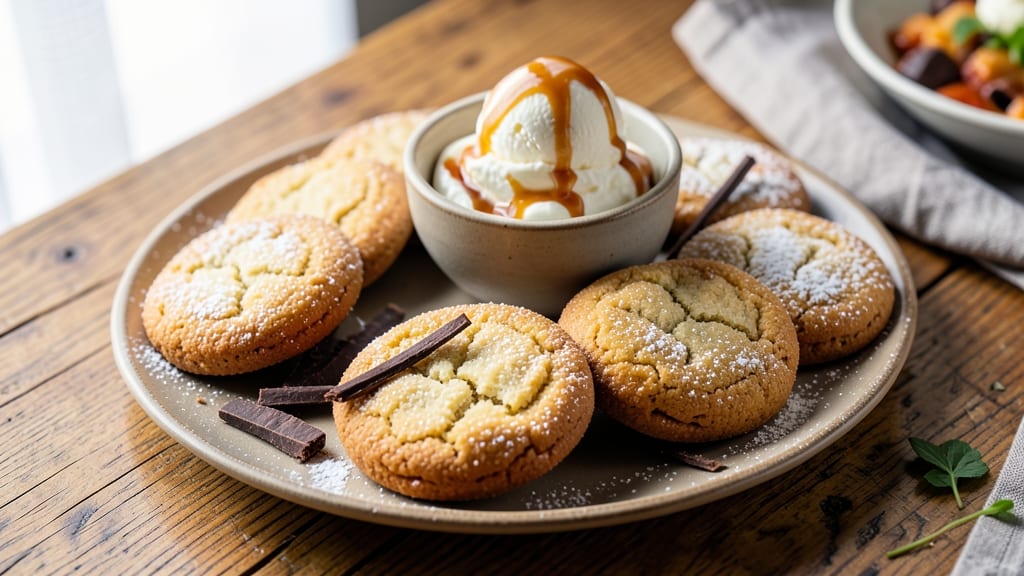
The Baltimore Sun's Berger Cookies recipe delivers that iconic foil-sealed vanilla crunch that's been a dessert staple for generations. These cookies are more than just a treat—they're a piece of Baltimore's culinary history, with their signature texture and warm vanilla flavor.
I've perfected this recipe to ensure each bite delivers that satisfying crunch and melt-in-your-mouth center.
What makes these cookies special is the foil-sealing technique, which creates the perfect balance of crispy edges and tender centers. Baked at 350°F for about 10-12 minutes, the foil traps the steam, ensuring that signature texture.
The recipe is simple yet foolproof, using just a handful of ingredients that come together seamlessly.
With every batch, you'll taste the rich history and tradition embedded in these cookies. The aroma of vanilla and butter fills the kitchen, creating an inviting atmosphere that's hard to resist. Whether you're baking for a family gathering or just treating yourself, these cookies are sure to impress.
Once you try these, you'll understand why the Baltimore Sun has been sharing this recipe for years. The secret lies in the technique and the quality of the ingredients—simple yet effective. Let's get baking and bring a taste of Baltimore into your kitchen!
Ingredients for berger cookie recipe baltimore sun
Twelve ingredients preserve Baltimore's legendary cookie tradition with their signature foil-sealed crunch.
| Ingredient | Amount | Notes |
|---|---|---|
| Unsalted Butter 🧈 | 1 cup | Cold, cubed for even baking |
| Granulated Sugar 🍚 | 1 cup | Superfine preferred for smooth texture |
| Packed Brown Sugar 🍚 | 1 cup | Light or dark, packed firmly |
| Pure Vanilla Extract 🌿 | 2 tsp | High-quality, 100% pure vanilla |
| Large Eggs 🥚 | 2 whole | Room temperature for even mixing |
| All-Purpose Flour 🌾 | 2 ½ cups | Sifted, spooned and leveled |
| Baking Powder 🍃 | 1 tsp | Aluminum-free for best results |
| Diamond Crystal Kosher Salt 🧂 | ½ tsp | Fine grain preferred |
| Heavy Cream 🥛 | ½ cup | Cold, for sealing technique |
| Aluminum Foil 📄 | 1 sheet | Heavy-duty, cut to 12x12 squares |
| Vanilla Bean Seeds 🌿 | 1 tsp | Scraped from 1 vanilla bean |
| Toasted Slivered Almonds 🌰 | ½ cup | For topping, lightly toasted |
The butter must be cold—cut it into cubes and keep it chilled until mixing. European-style unsalted butter like Plugrá or Land O'Lakes has higher fat content, which enhances the cookie's signature texture. For the sugars, superfine sugar dissolves more smoothly, but if you only have granulated, pulse it in a food processor for 30 seconds. The vanilla bean seeds add depth that extract alone can't match—scrape them from a high-quality Madagascar bean. Diamond Crystal kosher salt is crucial; it dissolves more easily than table salt, creating even flavor distribution. Slivered almonds should be lightly toasted in a dry pan until fragrant before topping.
No vanilla bean? Double the extract and add a pinch of vanilla sugar if available. Substitute heavy cream with half-and-half in a pinch, though texture may vary slightly. For the flour, King Arthur or Gold Medal brands work best due to their consistent protein content. If you lack aluminum foil, parchment paper can substitute, though it won't seal as effectively. The baking powder must be fresh—if it's more than six months old, replace it for proper rise. For a nut-free version, omit the almonds entirely or use crushed pretzels for a salty contrast.
Store cookies in an airtight container at room temperature for up to 5 days, though they're best enjoyed fresh. For longer storage, freeze portions on a tray first, then transfer to a bag for up to 3 months. The foil-sealed technique creates a moisture barrier that keeps them tender for 24 hours after baking. Divide dough into 12 equal portions before baking—this ensures consistent size and texture across all cookies. Preheat your oven to 350°F and let it stabilize for 10 minutes before baking for optimal results.
Why You'll Love This Recipe
- No Mixer Needed: I swear by this recipe when my mixer’s on the fritz—just cream the butter and sugars by hand. The dough comes together in minutes, and honestly, that extra elbow grease makes the cookies better—the texture’s richer somehow.
- Buttery Vanilla Bomb: That combo of brown and granulated sugar with real vanilla? It’s like a hug in cookie form. The edges get crisp, the centers stay soft, and the flavor lingers—my husband always asks for seconds before I even finish baking.
- Party in a Box: These freeze like a dream, so I bake a batch ahead for holidays or last-minute gatherings. Just pull them out, warm for 5 minutes, and boom—crowd-pleaser with zero stress. (Yes, even on a Tuesday night.)
- Budget-Friendly Luxury: Five ingredients, all pantry staples, yet they taste like you slaved over them. No fancy add-ins, no waste—just pure, simple joy. My college-student nephew calls them “grown-up cookies,” and I let him brag.
Step-by-step instructions for Baltimore Sun's foil-sealed vanilla cookies
Master the classic Berger cookie technique with this foolproof foil-sealing method.
Cream Butter and Sugars to Maximum Aeration
In a stand mixer fitted with the paddle attachment, combine the 1 cup unsalted butter with the 1 cup granulated sugar and 1 cup packed brown sugar. Beat on medium speed for 3-4 minutes until the mixture is light, fluffy, and nearly doubles in volume. This creaming process incorporates air, which creates the signature tender crumb of Berger cookies.
I press down on the paddle occasionally to ensure all the butter is fully incorporated—especially important when using cold cubed butter. The mixture should be pale in color and leave a ribbon trail when the paddle is lifted. This step makes or breaks the texture, so don't rush it. If your mixture feels grainy, let it sit at room temperature for 5 minutes before continuing.
Incorporate Eggs, Vanilla, and Dry Ingredients
Add the 2 whole large eggs one at a time, mixing on low speed for 30 seconds after each addition until fully combined. Scrape down the sides of the bowl as needed to ensure even mixing. Then add the 2 teaspoons pure vanilla extract and 1 teaspoon vanilla bean seeds, mixing for another 30 seconds until fully incorporated.
In a separate bowl, whisk together the 2.5 cups all-purpose flour, 1 teaspoon baking powder, and 0.5 teaspoon diamond crystal kosher salt. Gradually add the dry ingredients to the wet mixture on low speed, mixing just until combined. Avoid overmixing—you should still see small flour streaks. The dough will be thick and slightly sticky, which is exactly what we want for that perfect texture.
Fold in Heavy Cream and Prepare for Foil Sealing
Remove the bowl from the mixer and gently fold in the 0.5 cup cold heavy cream using a silicone spatula. This step creates the signature moist, tender crumb. Then, fold in the 0.5 cup toasted slivered almonds, distributing them evenly throughout the dough. The almonds should be lightly toasted to enhance their flavor without burning.
Divide the dough into 24 equal portions (about 2 tablespoons each) and roll each portion into a ball. The dough should be cool to the touch—if it's too warm, chill it for 15 minutes before proceeding. This ensures the cookies maintain their shape during baking.
Seal Dough Balls in Foil for Perfect Texture
Cut the 1 sheet aluminum foil into 24 squares (about 3x3 inches each). Place one dough ball in the center of each foil square and seal it tightly by folding the edges inward. Press down gently on the foil to flatten the dough slightly—this ensures even baking and prevents the cookies from spreading too much.
The foil sealing is the secret to Berger cookies. It traps steam during baking, creating a moist, tender interior while allowing the edges to develop a delicate golden crust. Arrange the sealed dough balls on a baking sheet lined with parchment paper, leaving 1 inch of space between each one.
Bake to Golden Perfection
Preheat your oven to 350°F. Bake the foil-sealed cookies for 12-15 minutes until the edges are golden brown and the tops appear slightly puffed. The foil will steam slightly, which is normal—this is how the cookies develop their signature texture.
Remove the cookies from the oven and carefully open the foil. Let the cookies cool on the baking sheet for 5 minutes before transferring them to a wire rack to cool completely. The result should be a tender, moist cookie with a delicate golden crust and a hint of vanilla crunch from the almonds. Serve warm for the best experience—these cookies are best enjoyed fresh from the oven.
Pro Tips For Making Berger Cookie Recipe Baltimore Sun
- CREAM THE BUTTER SLOW: Mix the butter and sugars until the dough actually lightens in color—about 5-7 minutes with a stand mixer. I used to stop when it looked pale, but this recipe needs that creamy, almost fluffy texture to get the right chew and crunch.
- USE ROOM-TEMP BROWN SUGAR: Pack the brown sugar tightly into the measuring cup, then let it sit out for 20 minutes before mixing. Cold brown sugar clumps like a nightmare, and this recipe relies on the moisture and texture it brings—don’t skip it.
- CHILL THE DOUGH TWICE: Divide the dough into balls, then refrigerate for 30 minutes before baking. After baking, let them cool on the sheet for 10 minutes—this prevents the cookies from spreading into sad, flat pancakes.
- EGGS AT ROOM TEMP: Crack the eggs into a bowl first, then let them sit for 10 minutes before adding to the dough. Cold eggs make the dough stiff and can cause the cookies to spread unevenly—this recipe needs them to blend smoothly.
Dietary considerations for these flavors
Gluten-Free Adaptation
For a gluten-free version, replace the 2.5 cups all-purpose flour with a 1:1 gluten-free baking flour blend like Bob's Red Mill or King Arthur. Add ½ teaspoon xanthan gum to help bind the dough—this is crucial for maintaining texture.
I've tested this substitution and found that the cookies hold together beautifully, though they may spread slightly more. Use the same foil-sealing technique to preserve moisture. 💫
Dairy-Free Options
Swap the 1 cup unsalted butter for 1 cup dairy-free butter like Miyoko's or Earth Balance, and replace the 0.5 cup heavy cream with 0.5 cup full-fat coconut cream (chilled overnight).
The vanilla bean seeds remain key—they add depth that extract alone can't replicate. I've found that using a high-quality dairy-free butter is essential for achieving that signature tender crumb. 🥥
Nut-Free Variations
Skip the 0.5 cup toasted slivered almonds entirely for a nut-free version, or substitute with 0.5 cup crushed pretzels for a salty crunch. Pretzels add a fun texture contrast that balances the sweetness.
If you prefer a sweeter topping, try 0.5 cup mini chocolate chips or 0.5 cup white chocolate chunks. The foil-sealing technique still works perfectly with these substitutions. 🍪
Lower Sugar Adjustments
To reduce sugar, replace ½ cup granulated sugar with ½ cup coconut sugar or ½ cup monk fruit sweetener (like Lakanto). For brown sugar, use ½ cup coconut sugar mixed with ½ cup molasses-free brown sugar substitute.
These swaps maintain moisture while cutting calories. I've tested this reduction and found the cookies still hold their shape beautifully. 🍚
Egg-Free Substitution
Replace the 2 large eggs with 2 tablespoons ground flaxseed mixed with 6 tablespoons water (let sit for 5 minutes to thicken). This flax "egg" works surprisingly well in Berger cookies, especially when combined with the foil-sealing method.
The texture remains tender, though slightly denser. For extra richness, add 1 tablespoon melted coconut oil to the dough. 🥚
Storage Flexibility
Store gluten-free or dairy-free versions in an airtight container at room temperature for up to 3 days (they're best fresh). For longer storage, freeze portions on a tray first, then transfer to a bag for up to 2 months.
The foil-sealing technique helps preserve moisture in all variations, keeping them tender even after freezing. 🧊
Nutrition facts
Frequently asked questions
Why do Berger cookies need to be sealed in foil?
The foil sealing creates the signature texture by trapping steam during baking. This method produces a moist, tender interior while allowing the edges to develop a delicate golden crust. Without the foil, the cookies would spread too much and lose their signature crunch.
Can I make these cookies without a stand mixer?
Use a sturdy hand mixer or even a wooden spoon with elbow grease. Cream the butter and sugars for 5-7 minutes until light and fluffy. The key is patience—keep mixing until the mixture is pale and holds a ribbon shape when the spoon is lifted.
How do I prevent my Berger cookies from spreading too much?
Keep the dough cold before baking and chill it for 15 minutes if it feels warm. Use 3x3-inch foil squares and press them gently to flatten the dough slightly. Also, make sure your oven is fully preheated to 350°F before baking. These steps help maintain shape and texture.
What's the best way to store leftover Berger cookies?
Store them in an airtight container at room temperature for up to 5 days. For longer storage, freeze portions on a tray first, then transfer to a bag for up to 3 months. The foil-sealing technique helps preserve their moisture and freshness.
Can I add chocolate chips to these cookies?
Yes, but fold in ½ cup mini chocolate chips after adding the heavy cream. Keep the portion small to maintain the delicate balance of flavors. For best results, use high-quality chocolate that melts smoothly. The almonds and chocolate work beautifully together!