Why I started cookierecipesdough
I was twenty-three, living in a shoebox apartment above a bakery in Boston, when I burned the first batch of sourdough starter my grandmother had ever trusted me with. The kitchen smelled like smoke and regret for a week.
She just sighed, handed me a wooden spoon, and said, *‘Next time, watch the bubbles—not the clock.’* That was the day I realised recipes aren’t just instructions. They’re conversations.
This site is for anyone who’s ever stood in a kitchen wondering if they’re doing it wrong. No fluff, no assumptions. Just recipes that work—the way they should, the first time. For the home cook who’s tired of vague measurements and photos that look nothing like the real thing.
For the baker who wants to know *why* the dough rises or *how* to fix a cake that’s sunk in the middle. And for me, because I still haven’t mastered the art of not burning starter.
Meet the founder
My grandmother’s kitchen was where I learned that flour doesn’t just turn into dough—it turns into *memory*. She’d let me knead the bread while she stirred the sauce, her hands rough from decades of rolling out pie crusts.
The first time I tried to make her *torta della nonna*, the butter melted into a greasy mess, and she just laughed, wiped my hands with a towel, and said, *‘You’re rushing the butter.
It needs to whisper, not scream.’* I still don’t know what that means, but now I listen for it.
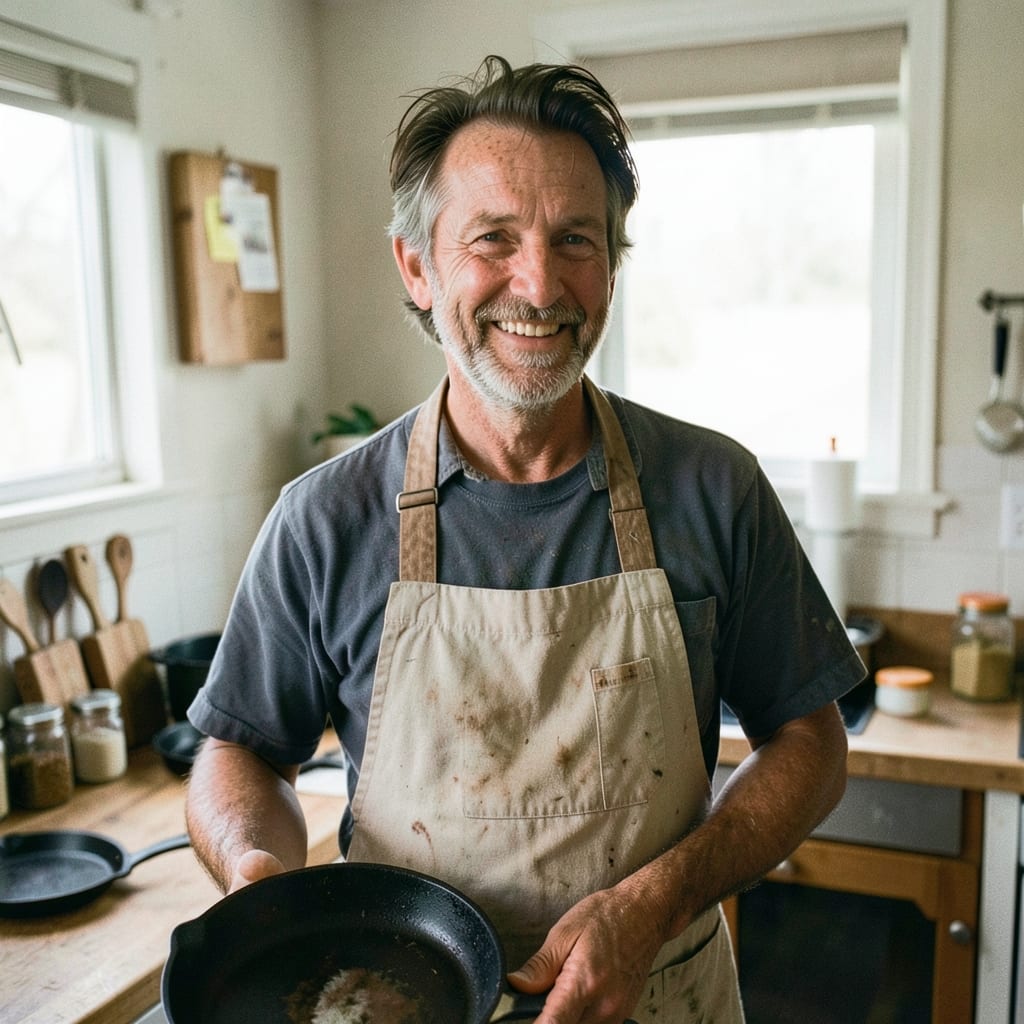
The only tool I’ve ever kept from that kitchen is her cast-iron skillet—the one with the handle that’s warped from years of being yanked too hard. It’s got a dent where I dropped a rolling pin on it at fourteen, and another where I scorched the first batch of pancakes.
It’s still the only pan I trust for anything that needs to brown properly. The dent in the handle? That’s my reminder to slow down.
The failure that changed everything was the time I tried to make *canoli* for the first time. The dough cracked, the ricotta leaked, and the frying oil splattered across the ceiling. My grandmother didn’t scold me—she just handed me a fresh tube of dough, said *‘Again.
This time, let the air out of the baguette before you roll it,’* and walked out. I spent the next three hours fixing every mistake, one step at a time. That’s when I realised recipes aren’t about perfection. They’re about fixing.
I have a habit of tasting everything twice—once raw, once cooked—even if it’s just a pinch of salt or a splash of vinegar. My grandmother called it *‘the double check.’* I call it paranoia. It’s how I know when a dish is wrong before it’s even in the oven.
And it’s why I still have a notepad by the stove covered in scribbles like *‘less sugar,’ ‘let it rest longer,’* and *‘why does this always stick?’*
Meet the mascot

The first sketch of what would become the mascot was on a napkin at a diner in Portland, where I’d gone to escape a kitchen disaster involving too much baking powder.
I drew a lopsided rolling pin with a face—just two dots for eyes and a crooked smile—because I was too tired to make it look professional.
The rolling pin had three fingers on one hand and four on the other, and the napkin said *‘This is why you measure twice.’* My friend at the table laughed and said it looked like a baker who’d just realised they’d forgotten the yeast.
The proper drawn version was on yellow legal paper, pinned to my apartment wall. I gave it a name—*Doughboy*—and made sure it had a proper apron (because of course it did) and a flour-dusted cheek.
The rolling pin became slightly less lopsided, and the fingers were fixed to two on each hand, but the crooked smile stayed. That’s when I realised it wasn’t just a drawing. It was the face of someone who’d been in the kitchen too long and still didn’t know everything.
For the final version, I had to simplify it down to something that would still read as a face on a browser tab. The apron strings became a single line. The flour dust turned into a single dot.
The rolling pin’s handle got shorter, and the fingers became just two stubs. But the crooked smile? That stayed. Because this site isn’t about perfection. It’s about the people who keep trying, even when the dough sticks, the sauce curdles, or the cake collapses.
What I promise you
This isn’t a place for recipes that sound good but don’t work. It’s a place for the ones that do.
What you can hold me to
- Every recipe has a clear start and end—no ‘until it looks done’ nonsense.
- If a step is critical, it’s repeated. If it’s optional, it’s marked as such.
- The ingredients list includes what’s *actually* needed, not what *might* improve it.
- If a recipe fails, I’ll tell you how to fix it—or why it’s not worth fixing.
How I create a recipe
A recipe here starts with a question: *‘What’s the one thing that always goes wrong with this?’* It could be a memory, a friend’s complaint, or my own kitchen disaster. The first draft is always messy—too many ingredients, unclear steps, or a photo that lies.
But the real work begins when I ask: *‘What would make this easier for someone who’s never done this before?’*
The first test: hands and heat
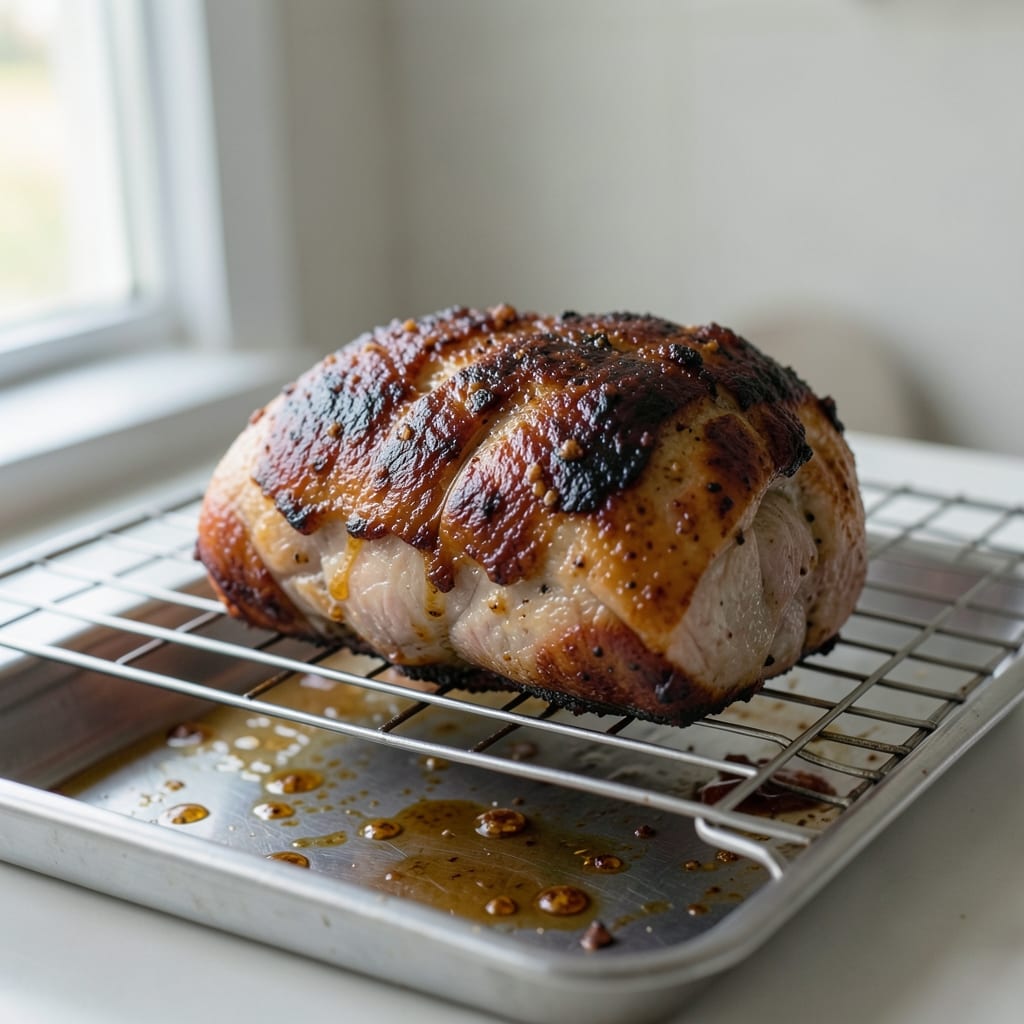
The first test is always by hand. For dough, that means kneading until it’s smooth, not sticky, and springs back when poked. For sauces, it’s tasting the base before adding the finishing touches.
I watch for the moment when something changes—when the butter starts to *whisper* (yes, I still think about that) or when the sugar stops dissolving and turns grainy. If it’s wrong, I adjust: less salt, more time, a different pan. No guessing. Just watching and fixing.
Real times matter. If a recipe says *‘bake for 20 minutes,’* it means 20 minutes in a 375°F oven, not *‘until golden.’* If it says *‘let it rest,’* it means 30 minutes, not *‘as long as you can wait.’* I test with a thermometer, a timer, and a skeptical eye.
Because the only thing worse than a recipe that doesn’t work is one that *seems* to work until it doesn’t.
The second test: the fix
The second test is about the fix. If the crust is too tough, I adjust the flour. If the sauce splits, I temper the cream. If the cake sinks, I check the leavening agent. Every mistake becomes a note. Every fix becomes a rule. The goal isn’t perfection—it’s consistency.
A recipe here should work the first time, even if you’re using someone else’s oven, someone else’s hands, or someone else’s ingredients.
I taste everything twice: once raw, once cooked. The raw test is for balance—too sour, too sweet, too salty. The cooked test is for truth. Does it taste like what it’s supposed to? Does it hold together? Does it *feel* right? If not, back to the drawing board. No shortcuts.
No excuses.
How a page gets onto this site
A recipe isn’t done until it’s written down while it’s still warm. That means notes scribbled on a pad by the stove, smudged with flour and grease. The first draft is always messy—I’ll write *‘add more salt here’* in the margin, then forget to include it.
The second read is where I cut the fluff, the third is where I test it again. And sometimes, months later, I’ll rewrite it because I found a better way—or because I finally understood why the original failed.
The desk version is where the real work happens. No photos yet, no fancy language. Just the steps, the ingredients, and the mistakes I’ve already made. I rewrite until it’s clear enough for someone who’s never baked before. And if it’s still not right? I’ll scrap it and start over.
Write to me
I love hearing about the recipes that work—and the ones that don’t. Tell me what you’d add, what you’d change, or what you’d do differently. Did a recipe here save your dinner? Did it send you back to the kitchen three times? I want to know.
And if you’ve got a question that isn’t answered here, ask it. The contact page is where to find me.
This site is for the people who keep trying, even when the dough sticks, the sauce curdles, or the cake collapses. So if you’re one of them, write to me. Let’s fix it together.
The recipes are grouped by category: Appetizers, Beverages, Breakfast & Brunch, Desserts, Main Courses and Reviews.