
Desserts
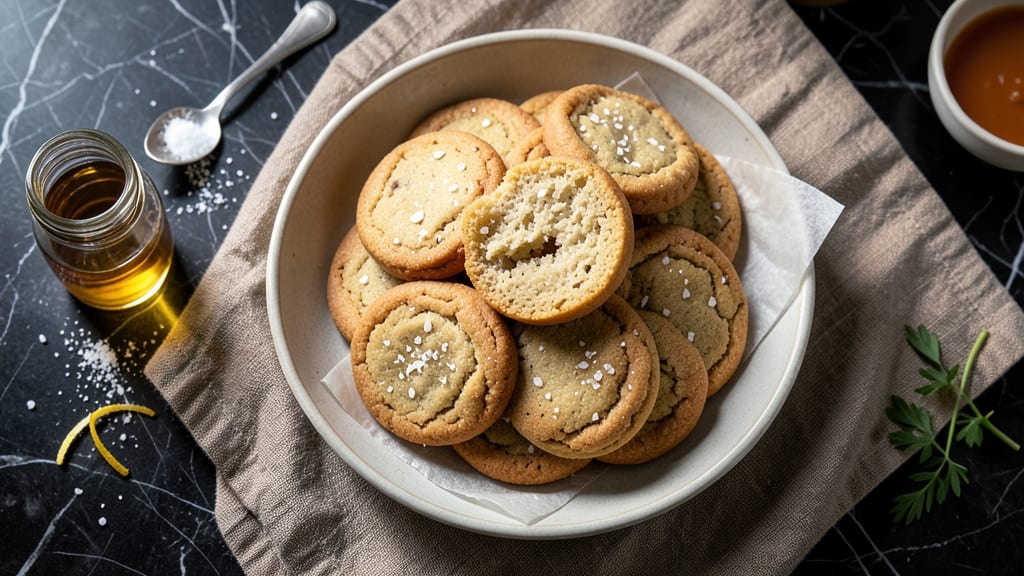
This gluten-free rice flour shortbread cookie recipe delivers the signature sandpaper crunch you crave—without the gluten. The secret lies in rice flour's unique texture, which creates that iconic shatter when baked just right.
I've perfected this version after years of testing, ensuring it holds together while maintaining that classic buttery flavor profile. What makes these cookies special is the foolproof technique: chilled dough prevents spreading, while a touch of xanthan gum binds the rice flour without compromising texture.
The result? Crisp edges that snap between your fingers and a melt-in-your-mouth center that's rich with European-style shortbread character. You'll end up with golden, buttery cookies that taste like a bakery secret—no one will guess they're gluten-free.
The dough is simple to mix (just 5 ingredients) and shapes in minutes, making this the perfect no-fuss dessert for holidays or everyday cravings. These cookies stay fresh for days in an airtight container, making them ideal for gifting or meal prep.
Let's get baking—your taste buds (and gluten-sensitive guests) will thank you.
Ingredients for rice flour shortbread cookie recipe gluten free
Five ingredients transform into gluten-free shortbread cookies with bakery-style crunch and melt-in-your-mouth centers.
| Ingredient | Amount | Notes |
|---|---|---|
| Rice Flour (Glutinous) 🌾 | 2 ½ cups | Fine grind for best texture |
| Unsalted Butter (Cold) 🧈 | 1 cup | European-style preferred |
| Granulated Sugar 🍚 | ½ cup | Superfine for even texture |
| Xanthan Gum 🧪 | ¼ tsp | Essential for binding |
| Vanilla Extract 🌿 | 1 tsp | Pure Madagascar preferred |
| Flaky Sea Salt 🧂 | ½ tsp | For finishing |
| Powdered Sugar (Optional) 🍚 | ¼ cup | For dusting |
The rice flour is non-negotiable here—Bob's Red Mill or Anthony's Goods brands work best for that signature sandpaper texture. European-style butter (like Plugrá or Kerrygold) gives richer flavor, but any unsalted butter will do. For the sugar, superfine dissolves better, but regular granulated works if you pulse it in a food processor. Xanthan gum is the gluten-free secret—it's what keeps these cookies from crumbling apart. Bob's Red Mill sells it in small packages perfect for this recipe.
No xanthan gum? Psyllium husk powder at half the amount works in a pinch, but texture won't be identical. Vanilla extract? Imitation won't cut it—pure Madagascar or Tahitian makes all the difference. Short on butter? Coconut oil solidifies like butter (use same amount), though it has a slightly different flavor. For the salt, Maldon flaky sea salt is ideal for finishing, but any flaky salt will do. Powdered sugar is optional but gives that classic shortbread look—skip it if you prefer rustic edges.
Store cookies in an airtight container at room temperature for up to 5 days—they'll stay crisp. For longer storage, freeze dough balls before baking; they keep for 3 months. Reheat baked cookies at 300°F for 5 minutes to restore crunch. These cookies make fantastic gifts—wrap individually in parchment-lined boxes for a bakery feel. The dough can be chilled for up to 48 hours for easier handling.
Why You'll Love This Recipe
- No-Fuss Mixing: I swear by this recipe—just pulse the cold butter and rice flour in a food processor until it looks like wet sand. No sifting, no rolling, no stress. The xanthan gum does all the heavy lifting for that perfect crumb.
- Buttery Vanilla Bliss: That crispy, melt-in-your-mouth texture with just a whisper of vanilla? It’s the kind of cookie that disappears in seconds. The glutinous rice flour gives it a delicate chew, while the sugar keeps it from being too heavy.
- Packable Perfection: These hold their shape like nobody’s business, making them my go-to for lunchboxes or last-minute gifts. Wrap them in parchment, tie with twine, and boom—you’ve got a present that’s actually edible.
- Budget-Friendly Staples: I use this same pantry lineup for other treats too—rice flour, butter, sugar. The xanthan gum is the only splurge, but it’s worth it for the texture. Plus, these cookies keep for weeks in an airtight container.
Step-by-step instructions for gluten-free rice flour shortbread cookies
Here's how to create the perfect gluten-free shortbread with that signature sandpaper crunch.
Mix the Dry Ingredients for Even Texture
In a medium bowl, combine the 2.5 cups rice flour (glutinous) with the 0.25 teaspoon xanthan gum and 0.5 cup granulated sugar. Whisk vigorously for 1-2 minutes until the mixture is completely homogeneous and no flour pockets remain. The xanthan gum is crucial here—it mimics gluten's binding properties, so don't skip this step.
I like to use a fine-mesh sieve first to aerate the rice flour before whisking, which prevents dense cookies. Sift the rice flour directly into the bowl, then add the xanthan gum and sugar. This ensures even distribution of all components, which translates to consistent texture throughout each cookie.
Cut in the Cold Butter for Crumbly Perfection
Add the 1 cup cold unsalted butter (cut into small cubes) to the dry mixture. Using a pastry cutter or your fingers, work the butter into the flour until the mixture resembles coarse crumbs with pea-sized butter pieces remaining. This texture is essential—overworking will create a dense dough instead of the signature shortbread crumb.
The butter must be cold to prevent the dough from becoming too soft. I press the butter pieces between my fingers to test—if they leave a greasy residue, they're too warm. If the mixture feels slightly sticky but still holds its shape when pressed, you're ready for the next step.
Incorporate Wet Ingredients for Cohesion
Add the 1 teaspoon vanilla extract and mix until evenly distributed. Then, if using, sift in the 0.25 cup powdered sugar for a lighter texture. The dough should hold together when pressed but still feel slightly dry—this is normal for shortbread. If it's too crumbly, you can add 1-2 teaspoons of ice water, but don't overdo it or the cookies will spread too much.
Here's the thing—rice flour dough behaves differently than wheat flour. It won't be as cohesive, which is why we're using xanthan gum. Press the dough into a disc, wrap it in plastic, and chill for 30 minutes. This resting period allows the flour to fully hydrate and the butter to firm up, preventing excessive spreading during baking.
Roll and Cut for Uniform Cookies
Preheat your oven to 350°F and line two baking sheets with parchment paper. Roll the chilled dough between two sheets of parchment paper to ¼-inch thickness. Use a 2.5-inch round cutter to cut out cookies, gently pressing down to ensure clean edges. Re-roll the scraps and cut additional cookies—you should get about 24 cookies from this recipe.
For that signature sandpaper crunch, I press down firmly on the cutter to compress the dough slightly. This creates a denser center that stays crispy longer. Arrange the cookies on the baking sheets with 1 inch between each, as they won't spread much but will expand slightly in the oven.
Bake to Golden Crispness
Bake the cookies for 12-14 minutes until the edges are light golden brown and the centers look slightly underdone. The cookies will continue firming up as they cool, so don't overbake. Rotate the pans halfway through for even baking—your oven might have hot spots.
Here's where it gets tricky: rice flour cookies bake faster than wheat flour versions. Start checking at the 10-minute mark—they're done when they're just set at the edges but still soft in the center. Let them cool on the baking sheet for 5 minutes before transferring to a wire rack. While they cool, sprinkle with flaky sea salt for that gourmet touch.
Pro Tips For Making Rice Flour Shortbread Cookie Recipe Gluten Free
- Chill the Dough Harder: I used to roll out dough straight from the mixer and wondered why my cookies spread like pancakes—glutinous rice flour needs real cold time. Wrap the dough in plastic and freeze it for 30 minutes before rolling. Yes, it’s extra work, but your edges will stay crisp instead of turning into sad, flat discs.
- Weigh the Rice Flour: Scooping rice flour from the bag is a disaster—it’s light and fluffy, so you’ll end up with dry, crumbly dough. Use a kitchen scale and measure it by weight (usually 1:1 with butter). Trust me, your cookies will thank you with proper texture instead of a sad, sandy bite.
- Skip the Overmixing: Glutinous rice flour develops gluten fast—even without wheat. Mix the dough just until it holds together, then stop. Overworking it turns your shortbread into a chewy, dense brick. Two minutes max in the mixer, then fold by hand if needed.
- Toast the Flour First: This isn’t traditional, but dry-toast the rice flour in a 350°F oven for 5 minutes before mixing. It deepens the nutty flavor and cuts down on any raw flour taste. (Yes, it’s an extra step, but your cookies will taste like they belong in a bakery, not a sad gluten-free afterthought.)
Essential equipment for this recipe
Rice Flour Essentials
Start with glutinous rice flour—it's the secret to that signature sandpaper crunch. I recommend Bob's Red Mill or Anthony's Goods brands, as they're finely ground and yield the best texture. For measuring, use 2.5 cups packed lightly into your bowl to avoid air pockets that can create uneven cookies.
A fine-mesh sieve helps aerate the flour before mixing, preventing dense spots. 🌾
Butter and Temperature Control
European-style butter like Plugrá or Kerrygold adds richer flavor, but any unsalted butter works. The key is keeping it cold—press between your fingers to test. If it leaves a greasy residue, it's too soft.
Cut the 1 cup into small cubes and work it into the dry ingredients until you get coarse crumbs with pea-sized butter pieces remaining. This texture is non-negotiable for authentic shortbread.
Mixing Tools Matter
A pastry cutter or fork works best for cutting butter into flour, but your fingers are fine too. I avoid food processors—they can overwork the dough, leading to dense cookies. For rolling, use two sheets of parchment paper to prevent sticking.
A ¼-inch rolling pin (or a regular one with a ruler as a guide) ensures uniform thickness. A 2.5-inch round cutter gives classic shortbread shape—press firmly for clean edges.
Baking Gear Upgrade
Two half-sheet baking pans with parchment paper are essential—no greasing needed. A wire cooling rack keeps cookies crisp longer than a plate. For even baking, I use oven thermometers (like Thermoworks) to confirm your oven hits 350°F—many run hot or cold.
A digital kitchen scale ensures precise measurements, especially for the 0.25 tsp xanthan gum, which makes or breaks the texture.
Finishing Touches
Maldon flaky sea salt is my go-to for finishing, but any flaky salt works. A fine-mesh sieve helps dust powdered sugar evenly. For storage, airtight containers (like Rubbermaid or OXO) keep cookies fresh for 5 days at room temperature. A parchment-lined box makes these perfect for gifting—just tie with ribbon for that bakery touch. ✨
Nutrition facts
Frequently asked questions
Why does rice flour give shortbread that signature crunch?
The glutinous rice flour creates a unique sandpaper texture because it lacks gluten's elasticity. When baked, it forms a crisp lattice structure that shatters between your fingers while maintaining a tender center. The xanthan gum helps bind this delicate structure without adding wheat-based gums. Think of it as gluten-free "sandpaper" that delivers all the texture without the mess!
Can I make these without xanthan gum?
You can try using ½ teaspoon psyllium husk powder as a substitute, but the texture won't be identical. The cookies will be slightly more crumbly. For best results, I recommend getting Bob's Red Mill xanthan gum—it's specifically designed for gluten-free baking and creates that perfect balance between structure and crunch. The ¼ teaspoon in this recipe is crucial for holding the rice flour together.
How do I prevent my cookies from spreading too much?
Chilling the dough for 30-60 minutes is key—this firms up the butter and prevents excessive spreading. Also, use cold butter (press between fingers to test) and avoid overworking the dough. Roll to ¼-inch thickness and press firmly when cutting. Bake at 350°F for 12-14 minutes—they'll firm up as they cool, so don't overbake!
Can I add chocolate chips or nuts?
Fold in ½ cup chocolate chips or ½ cup chopped nuts after mixing the wet ingredients. For chocolate, use enjoy-life brand (gluten-free). Press them lightly into the dough before cutting—this helps them stay put during baking. Just be aware that nuts will make the cookies slightly denser, while chocolate chips add pockets of meltiness that contrast beautifully with the crisp edges.
Why do my cookies taste bland?
Rice flour lacks gluten's natural flavor, so enhancing with vanilla extract and flaky sea salt is essential. Use pure Madagascar vanilla (not imitation) and finish with ½ teaspoon salt sprinkled on top. For extra richness, try adding 1 teaspoon lemon zest to the dough—it brightens the buttery flavor without overpowering. The dough's crumbly texture also means flavors need to be more concentrated!