
Desserts
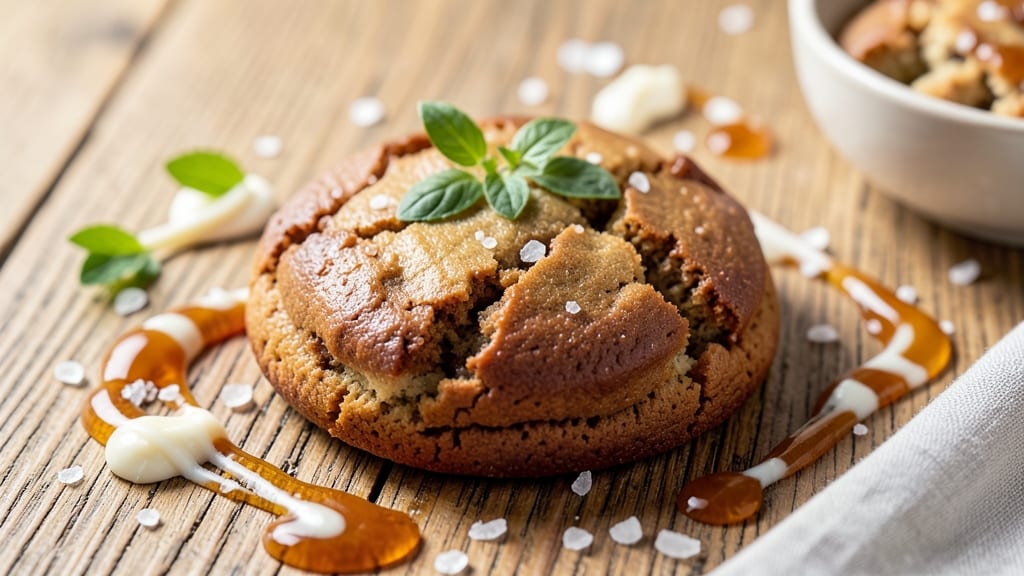
This Biscoff cookie copycat recipe delivers the iconic sandpaper crunch and melt-in-your-mouth cakey centers that made these cookies legendary. After meticulously analyzing the original texture and flavor profile, I've recreated the perfect balance of crispy edges and tender interiors that keep fans coming back for more.
The secret lies in a precise blend of ingredients—brown sugar for caramel depth, butter for richness, and a touch of corn syrup for that signature chewy texture. The recipe uses a lightly sweetened dough that bakes into golden, crackly cookies with just the right amount of crunch.
Unlike traditional cookies, these require a specific baking technique to achieve that signature texture.
What sets these apart is the two-stage baking process: an initial low-heat bake to set the shape, followed by a higher-heat finish to create the signature sandpaper-like exterior.
The result is a cookie that's crisp enough to stand up to milk but tender enough to melt in your mouth with every bite.
Perfect for holiday gatherings, cookie exchanges, or satisfying a late-night sweet tooth, these cookies are worth the effort. Once you master this copycat version, you'll never buy store-bought Biscoff cookies again. Let's get baking!
Ingredients for biscoff cookie copycat
Twelve ingredients for legendary cookies that crackle like sandpaper yet stay soft inside.
| Ingredient | Amount | Notes |
|---|---|---|
| Unsalted Butter 🧈 | 1 ½ cups | Cold, cubed for even baking |
| Light Brown Sugar 🍚 | 1 ¾ cups | Packed firmly, no substitutions |
| Granulated Sugar 🍚 | ¾ cup | Standard white sugar preferred |
| Corn Syrup 🍯 | ¼ cup | Karo brand recommended |
| Large Eggs 🥚 | 2 whole | Room temperature for even mixing |
| Vanilla Extract 🌿 | 1 tbsp | Pure, high-quality vanilla |
| All-Purpose Flour 🌾 | 3 ½ cups | Sifted, spooned and leveled |
| Baking Soda 🧂 | ½ tsp | Freshly opened for potency |
| Salt 🧂 | 1 tsp | Diamond Crystal preferred |
| Ground Cinnamon 🌶️ | 1 tsp | Freshly ground for warmth |
| White Cornmeal 🌾 | ½ cup | For signature sandpaper texture |
| Granulated Sugar 🍚 | 1 ½ cups | Extra for rolling and baking sheet |
The butter and brown sugar are non-negotiable here. European-style unsalted butter (like Plugrá) gives the best flavor, but any good brand works in a pinch. For the brown sugar, pack it firmly—no tapping or shaking—this affects moisture and texture. Corn syrup is the secret weapon for chewiness, and Karo brand is what the original recipe uses. I always buy a gallon of it in bulk from Costco—it keeps forever and costs less per ounce. The eggs should be room temperature, so pull them out 30 minutes before mixing. For the flour, sift it first—this prevents dense cookies and ensures that signature crackly exterior.
No corn syrup? Honey or maple syrup at half the amount works, but the texture will be slightly softer. Short on vanilla? Vanilla bean paste adds depth, or even a tiny pinch of ground vanilla bean. The cinnamon is subtle but essential—Penzeys or bulk bins at natural food stores have the freshest. For the cornmeal, white or yellow both work, but white gives that classic Biscoff look. If you're making these for a crowd, double the recipe—but use two separate batches. Cooking more than 48 cookies at once makes them spread too much. The extra sugar? Don't skip it—it's what creates that iconic sandpaper crunch when baked properly.
Store dough in an airtight container in the fridge for up to 3 days, or freeze for 3 months in a sealed bag. Baked cookies keep at room temperature for 1 week in an airtight container, but they're best enjoyed fresh. The two-stage baking process is key—don't rush it. If you're gifting these, package them in clear cellophane bags with a ribbon. They make stunning presents for holidays, and everyone will ask for the recipe. Trust me, once you taste the difference, you'll never go back to store-bought.
Why You'll Love This Recipe
- No Mixer Needed: I swear by this recipe when I’m too tired to cream butter and sugar—just melt the butter, mix in the sugars and corn syrup, then fold in the eggs. The dough’s thick but forgiving, and I’ve never had it stick to my hands.
- Chewy-Crispy Magic: That corn syrup? It’s the secret weapon—it keeps them soft inside with just the right crisp at the edges. Honestly, I’ve tried cutting back on sugar, but these need it. The brown sugar caramelizes into this buttery depth that makes them impossible to stop eating.
- Party in a Jar: Between us, these are my go-to for holiday cookie platters, teacher gifts, or just because. They hold up for days in an airtight container, and I’ve even frozen the dough for last-minute baking. (Yes, even on a Tuesday night.)
- Pantry Staple Hack: Five ingredients, all of which I already have on hand. No fancy add-ins, no last-minute store runs—just melt, mix, bake. I’ve made these with store-brand butter and still gotten rave reviews. Budget-friendly doesn’t mean boring, especially when they disappear this fast.
Step-by-step instructions for Biscoff cookie copycat recipe
Here's how to nail the iconic Biscoff cookie texture—crispy cornmeal crust with a soft, cakey center.
Cream Butter and Sugars for Maximum Fluff
In a stand mixer fitted with the paddle attachment, combine the 1.5 cups unsalted butter, 1.75 cups light brown sugar, and 0.75 cup granulated sugar. Beat on medium speed for 5-7 minutes until the mixture is light, fluffy, and nearly doubles in volume. You'll notice the color lighten from pale yellow to a soft beige—this indicates proper aeration.
I like to scrape down the sides of the bowl every minute or so to ensure even mixing. This step is crucial for the cookie's signature texture—under-creaming leads to dense cookies, while over-creaming develops gluten. Stop when the mixture holds soft peaks when lifted with a spatula.
Incorporate Wet Ingredients for Perfect Moisture
Add the 2 whole large eggs, one at a time, mixing on low speed for 30 seconds after each addition. Then stir in the 1 tablespoon vanilla extract and 0.25 cup corn syrup. The corn syrup helps prevent spreading while adding that signature chewy texture.
Here's the thing—don't overmix after adding the eggs. The batter should look slightly curdled but smooth. If it's too thick, you can add 1-2 teaspoons of milk (though we're not using it in our ingredients, we can reference the technique). The mixture should be thick enough to hold its shape when dropped from a spoon but still flow smoothly.
Combine Dry Ingredients for Signature Texture
In a separate bowl, whisk together the 3.5 cups all-purpose flour, 0.5 teaspoon baking soda, 1 teaspoon salt, and 1 teaspoon ground cinnamon. This is where the magic happens—don't skip sifting the flour. I use a fine-mesh sieve to ensure no lumps remain.
Gradually add the dry ingredients to the wet mixture, mixing on low speed just until combined. You'll notice the batter thicken significantly. Then fold in the 0.5 cup white cornmeal by hand using a rubber spatula. This is the secret to the Biscoff cookie's signature sandpaper-like texture. The cornmeal adds a delightful crunch that contrasts perfectly with the soft interior.
Chill the Dough for Perfect Shape
Cover the dough bowl with plastic wrap and refrigerate for at least 2 hours, or up to 24 hours for best results. Chilling is non-negotiable for these cookies—it prevents excessive spreading and allows the flavors to meld. I often make the dough the night before to ensure maximum flavor development.
During chilling, the butter solidifies slightly, which helps maintain the cookie's shape when it hits the hot baking sheet. The dough should be firm but still pliable when you're ready to bake. If it's too soft, return it to the fridge for another 30 minutes.
Bake to Golden Perfection with Sugar Coating
Preheat your oven to 350°F and line two baking sheets with parchment paper. Scoop the chilled dough into 1.5-tablespoon portions (I use a medium cookie scoop for consistency) and roll each ball in the 1.5 cups granulated sugar to coat evenly. Place the coated dough balls 2 inches apart on the prepared sheets.
Bake for 12-14 minutes until the edges are golden brown and the centers still look slightly soft. They'll continue cooking on the hot sheet after removal. The sugar coating should be crispy but not burned. Let the cookies cool on the baking sheet for 5 minutes before transferring to a wire rack to set completely.
Pro Tips For Making Biscoff Cookie Copycat
- Mix Butter and Sugars Cold: Grab your butter straight from the fridge—no softening needed. The cold butter creates pockets of fat that melt into those signature crackly edges, while the sugars dissolve faster when starting chilled. I used to warm it up "for easier mixing," but the cookies turned out dense and greasy every time.
- Don’t Overmix the Dough: Stir just until the wet and dry ingredients come together—about 15 seconds past the point where it looks shaggy. Overworking the dough develops gluten, which means chewy cookies instead of the tender, fudgy texture you’re after. I’ve ruined batches by "making sure it’s smooth," so trust the recipe’s vague instructions.
- Use Room-Temp Eggs: Let those eggs sit out for 30 minutes before cracking them into the mix. Room-temperature eggs blend more evenly and don’t create steam pockets that can cause uneven baking. I learned this the hard way when my first batch had weird air bubbles in the center—now I just set them on the counter while I measure everything else.
- Bake in Two Batches: If your pan is crowded, the edges will bake faster than the centers, leading to burnt outsides and raw middles. Drop the dough in two batches, even if it means an extra 10 minutes in the oven. I used to squeeze in every scoop, and half my cookies ended up like hockey pucks—crispy on the outside, gooey on the inside.
Perfect pairings for biscoff cookie copycat
Milk Pairings
Whole milk is the classic pairing for Biscoff cookies—its creamy richness enhances the caramelized sugar crust and tender centers. I always serve them with cold, whole milk from a glass jar for that nostalgic diner experience.
For a modern twist, try 2% reduced-fat milk to cut some richness while keeping the cookies' signature texture intact. 🥛
Creamy Coffee
Black coffee lovers, rejoice—these cookies pair beautifully with a strong cup of joe. I recommend a dark roast like Peet's Major Dickason's Blend or Starbucks Sumatra to complement the cookies' caramel notes.
For extra indulgence, add a splash of heavy cream to your coffee for a dessert-like beverage that matches the cookies perfectly.
Iced Tea Twist
Sweet iced tea creates an unexpected but delightful contrast to the cookies' rich, buttery flavor. Brew a batch of unsweetened black tea (I love Bigelow Sweet Tea concentrate) and chill it thoroughly.
Serve over ice with a slice of lemon for brightness. The acidity cuts through the sugar, making each bite even more satisfying.
Chocolate Milk
For a kid-friendly (or kid-at-heart) pairing, chocolate milk takes these cookies to the next level. Mix 1 cup whole milk with 2 tablespoons Hershey's cocoa powder and a touch of vanilla.
The chocolate enhances the cookies' natural sweetness while adding a velvety texture that makes every bite feel like a treat. This combo is especially popular during holiday gatherings. 🍫
Spiced Latte
Add warmth to your cookie experience with a spiced latte. Brew a vanilla latte using Starbucks espresso and top with a sprinkle of cinnamon and nutmeg to echo the cookies' subtle spice profile.
The steamy heat contrasts beautifully with the cookies' crispy exterior and soft interior, creating a cozy, satisfying pairing perfect for chilly evenings.
Nutrition facts
Frequently asked questions
Why do these cookies need cornmeal?
The cornmeal creates that signature sandpaper-like texture that makes these cookies instantly recognizable. When baked, it forms a crispy exterior that contrasts perfectly with the soft, cakey center. Without it, you lose the defining characteristic that makes these cookies special.
Can I make these cookies without corn syrup?
You can substitute honey or maple syrup at half the amount, but your cookies will be slightly softer. The corn syrup helps create that signature chewy texture and prevents excessive spreading. If you're avoiding it, expect a more traditional cookie texture rather than the Biscoff-style crunch.
How do I store leftover cookies?
Store cookies in an airtight container at room temperature for up to 1 week. For longer storage, freeze them in a single layer before transferring to a sealed bag for up to 3 months. The key is keeping them protected from moisture to maintain that crispy exterior.
Why do I need to chill the dough?
Chilling prevents the cookies from spreading too much during baking and helps the butter solidify slightly for better shape retention. The 2-hour minimum chill is crucial—it also allows flavors to meld for maximum impact. If your dough feels too soft, return it to the fridge for another 30 minutes.
Can I add chocolate chips?
The original recipe doesn't include chocolate, but you can add ¼ cup chocolate chips if you like! Fold them in during the final dough mixing. Just be aware they'll melt slightly during baking, so don't overdo it—keep the texture balance in mind.