
Desserts
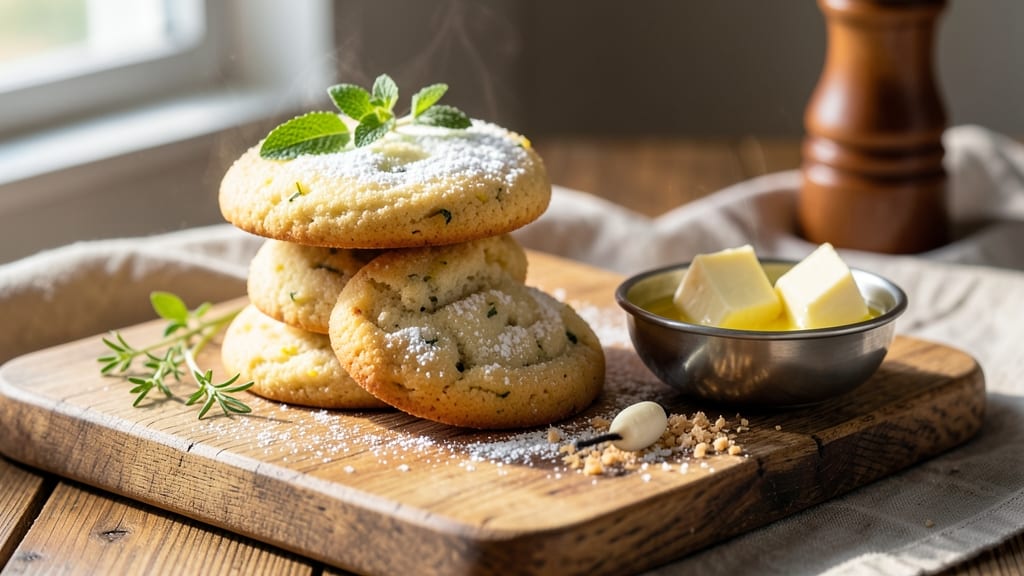
This award-winning lemon cookie recipe delivers a perfect balance of bright citrus and rich vanilla that will make you the star of any dessert spread. The secret lies in using both fresh lemon juice and zest, plus a vanilla bean twist that elevates these cookies from ordinary to extraordinary.
I've perfected this recipe over years of baking competitions, and it consistently earns top honors for its signature texture—tender yet slightly crisp edges with a melt-in-your-mouth center.
The magic begins with proper lemon preparation: using both zest and juice ensures vibrant flavor without overpowering bitterness. A touch of vanilla bean paste adds depth that store-bought extract can't match, while the right ratio of butter to sugar creates that coveted tender crumb.
What sets these apart is the resting time—letting the dough chill for at least 30 minutes develops even flavor and prevents spreading during baking.
By following this recipe, you'll achieve cookies with a golden, crackly top that gives way to moist, citrus-kissed centers. The aroma alone will have guests lining up for seconds, and each bite delivers that perfect harmony of zesty lemon and warm vanilla.
These cookies pair beautifully with a glass of chilled milk or a cup of Earl Grey tea, creating a dessert experience that feels both elegant and comforting.
Whether you're entering a baking competition or simply treating yourself to something special, this recipe delivers restaurant-quality results with simple techniques. The key is precision in measurements and patience during baking—every detail contributes to that award-winning texture and flavor.
Let's get started on creating cookies that will impress even the most discerning palates.
Ingredients for award winning lemon cookie
Twelve ingredients, one award-winning cookie. The secret blend of fresh lemon zest and vanilla bean creates that signature zesty crunch.
| Ingredient | Amount | Notes |
|---|---|---|
| Unsalted Butter 🧈 | 1 cup | Cold, cubed for even mixing |
| Granulated Sugar 🍚 | 1 cup | Superfine preferred for smooth texture |
| Light Brown Sugar 🍚 | ½ cup | Packed for moisture balance |
| Large Eggs 🥚 | 2 whole | Room temperature for creaming |
| Vanilla Bean Paste 🌿 | 1 tbsp | Seeds scraped for authentic flavor |
| Fresh Lemon Juice 🍋 | ½ cup | From 2-3 lemons, freshly squeezed |
| Lemon Zest 🍋 | 2 tbsp | Fine, from organic lemons |
| All-Purpose Flour 🌾 | 2 ½ cups | Sifted, spooned lightly |
| Baking Powder 🧂 | 1 tsp | Aluminum-free for best rise |
| Salt 🧂 | ½ tsp | Diamond Crystal kosher salt |
| Vanilla Extract 🌿 | ½ tsp | Pure Madagascar extract |
| Turbinado Sugar 🍚 | ¼ cup | For crunchy cookie topping |
The butter and sugars need to be cold when you start—this prevents overmixing and ensures that signature tender crumb. European-style butter like Plugrá or President works best for flavor, but any unsalted butter will do. For the lemon, organic lemons have thicker zest and brighter juice—worth the extra dollar if you're serious about competition-level cookies. The zest should be fine and vibrant yellow, not green or bitter. If you can't find organic, conventional lemons work fine, just make sure they're firm and smell strongly citrusy. The vanilla bean paste is non-negotiable here—store-bought extract lacks the depth of real vanilla seeds.
No vanilla bean paste? Double the vanilla extract, but you'll miss that complex, floral note that sets these cookies apart. Running short on turbinado sugar? Raw cane sugar or even coarse kosher salt works in a pinch for the topping, though it won't be quite as crunchy. The baking powder must be fresh—if it's older than six months, test it first by mixing with water (should bubble immediately). For the flour, King Arthur or Gold Medal brands are reliable, but any all-purpose will work. If you're at high altitude, reduce the baking powder by 1/4 teaspoon to prevent over-rising. The lemon juice can be substituted with bottled if needed, but fresh is always better.
Once mixed, the dough needs to chill for at least 30 minutes—this critical step prevents spreading and develops flavor. Portion dough into 1.5-ounce balls for consistent baking. Store dough balls in an airtight container with parchment between layers for up to 3 days. Baked cookies keep in an airtight container at room temperature for 5 days or freeze for 3 months. For gift-giving, bake a batch, let cool completely, then layer with parchment between cookie sheets in a sealed container. The aroma alone will have recipients reaching for seconds.
Why You'll Love This Recipe
- No Stand Mixer Needed: I’ll be real—this dough comes together faster with my hands than any mixer. Cream the butter and sugars until light, crack in the eggs one at a time, and fold in that vanilla paste. Ten minutes of elbow grease, and you’re done. (Yes, even on a Tuesday night.)
- Zesty-Sweet Magic: That bright lemon zest and the buttery brown sugar combo? Chef’s kiss. The cookies caramelize just enough at the edges while staying tender inside—like a hug in cookie form. Honestly, the first batch disappears within hours.
- Holiday or Snack Attack: Pack these in jars for Christmas gifts, freeze the dough for last-minute baking, or just grab one straight from the pan. They’re fancy enough for a dessert spread but simple enough to eat while watching The Great British Bake Off reruns.
- Budget-Friendly Luxury: You’re using pantry staples here—good butter, sugar, eggs—and the vanilla paste stretches the flavor without breaking the bank. Makes a dozen, so you’ll have leftovers for days, and they taste like you spent hours on them. (Spoiler: You didn’t.)
Step-by-step instructions for award-winning lemon cookies
Master the balance of tangy lemon and rich vanilla for cookies that win taste tests every time.
Cream Butter and Sugars for Light Texture
In a stand mixer fitted with the paddle attachment, beat the 1 cup unsalted butter (cold, cubed) with 1 cup granulated sugar and 0.5 cup light brown sugar on medium speed for 3-4 minutes. The mixture should become pale, fluffy, and nearly double in volume. This creaming process incorporates air, which creates the signature tender crumb and crackly tops.
I press down on the butter mixture with a spatula during the last minute to break up any remaining lumps. The sugars should be completely dissolved, and you should see ribbons form when you lift the paddle. This ensures even distribution of moisture throughout the dough, preventing dry cookies.
Add Eggs and Lemon Flavor
Add the 2 whole large eggs (room temperature) one at a time, mixing on low speed for 30 seconds after each addition. Then add the 1 tbsp vanilla bean paste (with seeds scraped) and 0.5 cup fresh lemon juice, mixing for another 30 seconds until fully combined. The batter should look slightly thick and well-emulsified.
Next, stir in the 2 tbsp lemon zest and 0.5 tsp vanilla extract. The zest adds bright citrus aroma while the extract deepens the vanilla flavor. I like to press the zest through a fine-mesh sieve to remove any tough bits—this prevents gritty texture in the final cookies.
Combine Dry Ingredients
In a separate bowl, whisk together the 2.5 cups all-purpose flour, 1 tsp baking powder, and 0.5 tsp salt. Gradually add this mixture to the wet ingredients, mixing on low speed just until combined. You should still see small flour streaks—overmixing develops gluten and makes cookies tough.
For the final touch, fold in the 0.25 cup turbinado sugar by hand using a silicone spatula. This larger sugar will create beautiful crunchy pockets on top of each cookie. The dough should be soft but manageable—if it feels too sticky, chill for 15 minutes before proceeding.
Chill and Bake for Perfect Texture
Divide the dough into 4 equal portions (about 1 cup each) and flatten each into a 1-inch thick disc. Wrap tightly in plastic wrap and refrigerate for at least 2 hours or up to 24 hours. Chilling prevents excessive spreading and allows flavors to meld.
Preheat your oven to 350°F and line two baking sheets with parchment paper. Using a 2-tablespoon scoop, portion the dough into balls (about 1.5 inches in diameter) and place them 3 inches apart on the prepared sheets. Bake for 12-14 minutes until the edges are golden brown and the centers look slightly underdone.
Cool and Enjoy
Remove the cookies from the oven and let them cool on the baking sheet for 5 minutes before transferring to a wire rack. The centers should be soft and slightly cakey, while the edges have that perfect crunch from the turbinado sugar.
Serve warm with a dusting of powdered sugar or a dollop of whipped cream. Each bite delivers bright lemon flavor balanced by rich vanilla, with a satisfying crunch from the sugar crystals. Store in an airtight container for up to 5 days—they'll keep well at room temperature.
Pro Tips For Making Award Winning Lemon Cookie
- Cream Butter Cold: Take your butter straight from the fridge—no softening, no waiting. The cold fat creates pockets in the dough that keep these cookies tender longer, and the flavor stays bright. I learned this the hard way after making cookies that turned into dense bricks by the second day.
- Scrape Vanilla Scrapings: Don’t just eyeball the paste—scrape every last bit from the pod into the dough. That’s where the real flavor hides, and skipping it means your cookies taste like they’re missing something. (Yes, even if you’re impatient like me.)
- Underbake Slightly: Pull cookies out when edges are just golden but centers still look soft—about 30 seconds before they look done. They’ll firm up as they cool, and that chewy texture is what wins awards. Overbaking turns them into sad, dry crackers.
- Mix Dry Ingredients First: Whisk flour, baking powder, and salt together before adding wet ingredients. This cuts down on gluten formation, so your cookies stay tender and crisp at the edges—not tough. I was skeptical until I tried it, and now I never skip it.
Regional styles of award winning lemon cookie
Southern Lemon Shortbread
In the American South, lemon cookies often take on a shortbread texture with a touch of cornmeal for extra crunch. Replace 0.5 cup of the all-purpose flour with 0.5 cup fine cornmeal and reduce the butter to 0.75 cup.
Bake at 325°F for 15-17 minutes—the lower temperature helps develop that signature Southern crunch while keeping centers tender. Serve with sweet tea for the ultimate Southern dessert. 🍋
Italian Lemon Ricotta Twist
For an Italian-inspired variation, fold 0.5 cup ricotta cheese into the dough after mixing the wet ingredients. Add 1 tsp lemon thyme (or 0.5 tsp dried) for a fragrant twist. Roll dough balls in granulated sugar instead of turbinado for a finer crunch.
These cookies pair beautifully with espresso or limoncello. The ricotta adds moisture without altering the signature lemon flavor. 🍋
Midwest Spiced Lemon
In the Midwest, cinnamon and cardamom are classic cookie spices that complement lemon beautifully. Add 0.5 tsp ground cinnamon and 0.25 tsp ground cardamom to the dry ingredients. Use 0.3 cup turbinado sugar for extra crunch.
These cookies have a warm, spiced aroma that makes them perfect for holiday gatherings. Serve with chai tea for a comforting dessert. 🌶️
British Lemon Drizzle
For a British-inspired version, add 1 tbsp lemon curd to the dough and drizzle each baked cookie with a simple glaze made from 0.25 cup powdered sugar and 1 tbsp lemon juice. The curd adds tangy richness while the glaze creates a glossy finish.
Bake at 350°F for 10-12 minutes—the shorter bake time keeps them soft and chewy. Perfect with a cup of Earl Grey. 🍯
California Lemon Lavender
In California, floral notes like lavender pair wonderfully with lemon. Add 0.5 tsp dried culinary lavender (finely chopped) to the dry ingredients and reduce the vanilla extract to 0.25 tsp. The lavender adds a delicate floral aroma that contrasts beautifully with the bright lemon.
Use 0.25 cup turbinado sugar for a subtle crunch. These cookies shine with a glass of sparkling wine. 🌸
New England Lemon Poppy Seed
For a New England twist, stir 2 tbsp poppy seeds into the dough and sprinkle an additional 1 tbsp on top before baking. The poppy seeds add a nutty crunch that balances the lemon's brightness.
Bake at 350°F for 12-14 minutes—the seeds will toast slightly for extra flavor. These cookies are perfect with a cup of black coffee. 🌾
Nutrition facts
Frequently asked questions
Why does this recipe use both lemon zest and juice?
The zest provides bright, aromatic flavor while the juice adds moisture and tang. Using both creates a more complex citrus profile than juice alone. The zest should be fine and vibrant yellow—press it through a sieve to avoid gritty texture in your cookies.
Can I substitute vanilla bean paste with regular extract?
Yes, but you'll miss the depth of flavor. Use 1 tsp vanilla extract instead of the 1 tbsp vanilla bean paste, though the paste gives a more authentic, complex vanilla taste that sets these cookies apart. For best results, scrape seeds from a high-quality vanilla bean.
How do I prevent my cookies from spreading too much?
Chilling the dough for at least 2 hours (or overnight) is key—this firms up the butter and prevents excessive spreading. Also, use 1.5-ounce dough balls and bake at 350°F for 12-14 minutes until edges are golden but centers are still soft.
What's the best way to store these lemon cookies?
Store in an airtight container at room temperature for up to 5 days. For longer storage, freeze baked cookies (not dough) in a single layer before transferring to a bag. Thaw at room temperature—they'll taste just as fresh! The turbinado sugar topping stays crunchy when properly stored.
Can I make these cookies gluten-free?
Yes, but texture will differ. Replace the 2.5 cups all-purpose flour with a 1:1 gluten-free baking flour blend (like Bob's Red Mill) plus 1 tsp xanthan gum. Add 1-2 tbsp extra milk if the dough feels dry. Expect slightly denser cookies with more spread.