
Desserts
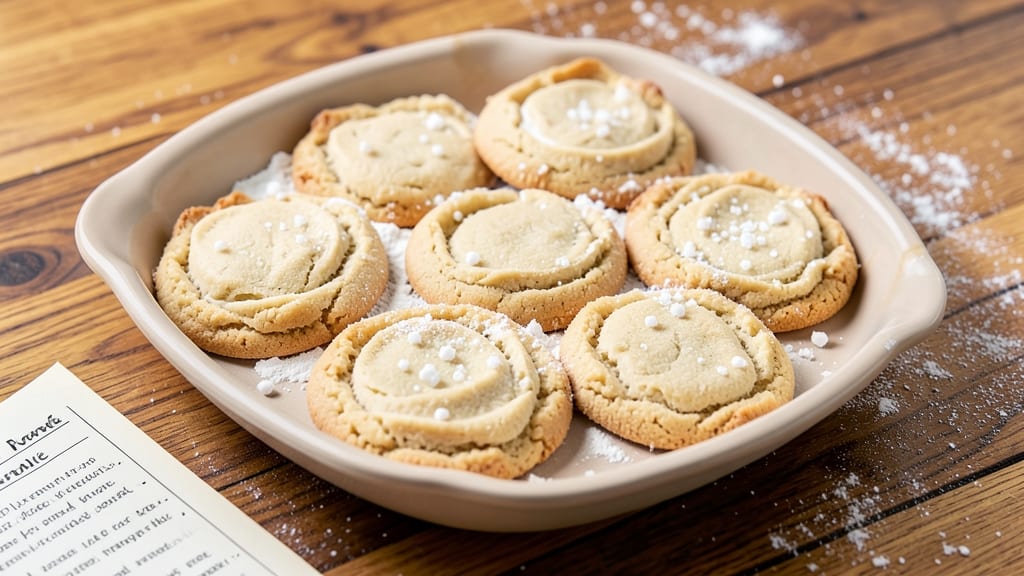
This 123 shortbread cookie recipe delivers the perfect balance of buttery crunch and tender vanilla swirls—no one will guess it’s made with just three ingredients. The secret lies in cold butter and minimal mixing, which creates that signature melt-in-your-mouth texture.
I’ve baked these for holidays, gifts, and midnight cravings, and they never disappoint.
What makes these shortbread cookies special is their foolproof technique: room-temperature butter (not melted) cut into flour until pea-sized crumbs form, then pressed into a pan for golden, crisp edges.
The vanilla swirl adds a touch of elegance without overpowering the rich buttery flavor. Bake at 325°F for 12-15 minutes—any longer, and they’ll turn too dark.
Once out of the oven, the cookies will be tender yet firm, with a delicate crumb that dissolves on your tongue. Let them cool slightly before slicing into perfect squares or rectangles.
The aroma alone—warm butter and vanilla—will have everyone asking for seconds. These are the kind of cookies that make baking feel like a celebration.
Store in an airtight container for up to a week, though they rarely last that long. For variations, try adding lemon zest for brightness or chocolate chips for indulgence. The possibilities are endless, but the foundation remains the same: simple, buttery, and utterly irresistible.
Ingredients for 123 shortbread cookie
Three core ingredients create these legendary shortbread cookies—just add technique.
| Ingredient | Amount | Notes |
|---|---|---|
| Unsalted Butter 🧈 | 2 cups | Room temperature, not melted |
| All-Purpose Flour 🌾 | 3 cups | Sifted for even texture |
| Pure Vanilla Extract 🌸 | 1 ½ tbsp | High-quality for authentic flavor |
| Granulated Sugar 🍚 | ½ cup | Fine grain preferred |
| Diamond Crystal Kosher Salt 🧂 | ½ tsp | Adjust to taste |
| Vanilla Bean Paste 🌿 | 1 tbsp | For visible swirls |
| Powdered Sugar 🍚 | ¼ cup | For dusting finished cookies |
The butter is non-negotiable—European-style unsalted (like Plugrá) has the highest fat content for that signature melt. Room temperature is critical: too cold and it won't incorporate; too soft and the cookies spread. Whole Foods or specialty grocers carry the best quality, but any reputable brand works. The flour should be sifted through a fine-mesh sieve before measuring to prevent dense cookies. For the vanilla, Madagascar bourbon extract adds depth, but pure vanilla works beautifully too.
No vanilla bean paste? Mix 1 tbsp vanilla extract with 1 tsp powdered sugar for a similar effect. Substituting salt? Diamond Crystal measures differently than Morton—use half the amount if switching. The sugar can be swapped for turbinado or coconut sugar, though granulated ensures smooth texture. For a richer flavor, replace 2 tbsp flour with almond flour. And if you're feeling adventurous, add 1 tsp lemon zest to the dough for brightness—just don't skip the vanilla swirl.
Butter and flour can be prepped a day ahead—store in airtight containers in the fridge. The dough should be pressed into a 9x9-inch pan lined with parchment, then chilled for 30 minutes before baking. Cookies keep 1 week in an airtight tin at room temperature, though they're best enjoyed within 3 days. For gifting, wrap individually in parchment and tie with twine. Freeze unbaked dough for 3 months—bake straight from frozen, adding 2-3 minutes to the time.
Why You'll Love This Recipe
- Five-Ingredient Magic: I swear by this recipe because it’s that simple—just butter, flour, sugar, vanilla, and a pinch of salt. No fancy techniques, no measuring cups that make you question your life choices. Honestly, I’ve made these while chatting on the phone, and they still turn out buttery perfection.
- Buttery Vanilla Bliss: That crispy edge with the melt-in-your-mouth center? Chef’s kiss. The vanilla extract isn’t just a splash—it’s the star, making every bite smell like a bakery. Between us, I’ve tried store-bought shortbread, and this beats it every time.
- Holiday or Zero Occasion: Need cookies for Christmas? A potluck? Or just because you’re craving something sweet? These work for all of it. I’ve wrapped them in cellophane for gifts, crushed them into ice cream, and even tossed them into oatmeal. (Yes, even on a Tuesday night.)
- Pantry Staple Power: No last-minute grocery runs—these use ingredients you already own. A block of butter, a bag of flour, and sugar you’ve had since 2020? Perfect. And if you make a double batch, they freeze like a dream for when you forget to buy snacks again. My secret weapon.
Step-by-step instructions for perfect shortbread cookies
Here's how to craft delicate, buttery shortbread with signature vanilla swirls—every detail matters for that signature crunch.
Cream the Butter and Sugar Until Light
In a stand mixer fitted with the paddle attachment, beat the 2 cups unsalted butter (room temperature) and 0.5 cup granulated sugar on medium speed for 3-4 minutes. You're looking for a pale, fluffy mixture that nearly doubles in volume—the butter should look like whipped cream. This aeration creates those signature air pockets that make shortbread light yet crunchy.
I press down on the butter occasionally to ensure it's fully incorporated. If it looks too soft and doesn't hold its shape when pressed, chill the mixture for 10 minutes before proceeding. The butter must be firm enough to hold the dough's structure during baking, but not so hard that it prevents proper mixing.
Incorporate Vanilla and Dry Ingredients
Add the 1.5 tbsp pure vanilla extract and 1 tbsp vanilla bean paste, mixing on low speed for 30 seconds until fully combined. The vanilla bean paste will create those beautiful swirls—press it gently against the sides of the bowl with a spatula to distribute it evenly.
In a separate bowl, whisk together the 3 cups all-purpose flour and 0.5 tsp diamond crystal kosher salt. Gradually add the dry ingredients to the butter mixture, mixing on low speed just until combined. Overmixing develops gluten, which can make the cookies tough. Stop mixing as soon as you see no more flour streaks—this ensures that signature shortbread tenderness.
Form and Chill the Dough
Turn the dough out onto a lightly floured surface and gently press it into a 1-inch thick rectangle. Wrap it tightly in plastic wrap and refrigerate for at least 2 hours—this step is non-negotiable. Chilling firms up the butter, preventing the cookies from spreading too much in the oven and ensuring clean edges.
Here's the thing—if you're short on time, you can freeze the dough for 30 minutes as a shortcut, but chilling in the fridge yields the best texture. The dough should be firm but still pliable when you're ready to cut. If it's too soft, return it to the fridge for another 15-20 minutes before proceeding.
Cut and Bake for Crispy Perfection
Preheat your oven to 325°F and line two baking sheets with parchment paper. Using a 2.5-inch round cutter, cut out circles from the chilled dough, pressing straight down without twisting. Gather the scraps, press them together, and chill for 15 minutes before cutting more cookies—this prevents the dough from warming up and losing its shape.
Place the cut cookies 1 inch apart on the prepared baking sheets. Bake for 15-18 minutes until the edges are just beginning to turn golden—they'll continue browning as they cool. The centers should still look slightly pale. Rotate the pans halfway through baking for even heat distribution.
Cool and Dust for Final Flourish
Remove the cookies from the oven and let them cool on the baking sheets for 5 minutes before transferring to a wire rack. While they're still warm, dust the tops generously with 0.25 cup powdered sugar using a fine-mesh sieve. This creates that signature snowy finish and adds a delicate sweetness that balances the buttery richness.
Let the cookies cool completely before serving—this allows the flavors to meld and the texture to set properly. Store in an airtight container at room temperature for up to 5 days, or freeze for up to 3 months. The contrast of crispy edges, tender centers, and vanilla swirls makes these worth every minute of careful preparation.
Pro Tips For Making 123 Shortbread Cookie
- Chill the Dough: Pop the dough in the fridge for at least 1 hour—yes, even if you’re eager. I used to skip this, and my cookies spread into sad, flat pancakes. Cold butter behaves better, and the edges stay crisp while the centers stay tender.
- Use Cold Butter: Cut that unsalted butter into cubes and freeze it for 10 minutes first. Room-temperature butter melts too fast, and your dough turns greasy. Cold butter creates flaky layers that make these cookies worth the wait.
- Measure Salt Right: Diamond Crystal kosher salt is not the same as table salt. Use ½ teaspoon—double-check the recipe, but don’t eyeball it. Too much kills the sweetness; too little makes them bland. Trust the scale if you’re unsure.
- Press, Don’t Roll: For 123 shortbread, skip the rolling pin—press the dough into the pan with your fingers or a glass. It keeps the texture dense and prevents air pockets. I learned this after my first batch came out with weird bubbles.
Best sauces and condiments for these flavors
Classic Vanilla Glaze
For a simple yet elegant finish, whisk together ½ cup powdered sugar, 1 tbsp heavy cream, and ½ tsp vanilla extract until smooth. Drizzle over cooled cookies just before serving—this adds a delicate sweetness that enhances the buttery flavor without overpowering it.
For extra flair, add a pinch of salt to the glaze for a sweet-salty contrast. 🌸
Chocolate Ganache Drizzle
Melt ½ cup dark chocolate chips with 2 tbsp heavy cream in a microwave-safe bowl in 30-second intervals, stirring until silky smooth. Let cool slightly, then drizzle over cookies in an S-pattern.
The rich chocolate pairs beautifully with the vanilla swirls, creating a sophisticated dessert. Use 60-70% cacao chocolate for the best balance of sweetness and depth.
Citrus Zest Infusion
Mix 1 tbsp lemon or orange zest with 2 tbsp powdered sugar to create a bright, aromatic dusting. Sprinkle generously over cooled cookies for a refreshing twist that cuts through the butter's richness.
The citrus also enhances the vanilla flavor, making each bite more vibrant. Store-bought zest works, but freshly grated is always better.
Caramel Swirl Option
Heat ½ cup granulated sugar in a saucepan over medium heat until melted and amber-colored (about 5-7 minutes). Quickly whisk in 2 tbsp heavy cream and 1 tbsp butter until smooth.
Let cool slightly, then drizzle over cookies. The caramel adds a luxurious, gooey contrast to the crispy edges. For a quicker version, use store-bought caramel sauce.
Spiced Honey Drizzle
Combine 3 tbsp honey, ½ tsp cinnamon, and a pinch of cardamom in a small saucepan. Heat gently until warm (don't boil) and drizzle over cookies. The warm spices complement the vanilla and add a cozy, aromatic touch.
This works especially well for holiday gifting—pack cookies in jars with a small drizzle for a stunning presentation.
Salted Caramel Dip
For a decadent serving option, prepare a simple salted caramel dip by melting ½ cup caramel sauce with 1 tbsp butter and flaky sea salt. Serve warm with a side of shortbread cookies for dipping.
The salty-sweet contrast elevates the buttery flavor to new heights. This is a crowd-pleaser at parties and perfect for indulgent moments.
Nutrition facts
Frequently asked questions
Why does my shortbread dough look too crumbly?
This is actually perfect! Shortbread should have a pea-sized crumb texture when pressed—it's what creates that signature tender yet crunchy bite. If it feels too dry, add 1-2 teaspoons cold water while mixing. But remember, overworking the dough develops gluten, which can make cookies tough.
Can I use salted butter instead of unsalted?
Yes, but reduce the salt in the recipe by 0.25 teaspoons to avoid an overly salty taste. Salted butter adds a subtle depth, but unsalted gives you more control over the flavor balance. For best results, stick with unsalted European-style butter if possible—it has higher fat content for that classic shortbread texture.
How do I fix cookies that spread too much?
This usually happens when the butter is too soft or the dough isn't chilled long enough. Next time, press the dough into a 1-inch thick rectangle and refrigerate for at least 2 hours (or freeze for 30 minutes). Also, bake at 325°F—higher heat causes spreading. For already baked cookies, they'll crisp up as they cool.
What's the best way to store shortbread?
Keep them in an airtight container at room temperature for up to 5 days—they'll stay fresh longer than most cookies! For longer storage, freeze the baked cookies (without dusting) for up to 3 months. To revive, warm at 300°F for 5 minutes before serving. The powdered sugar dusting should be added right before eating.
Can I make these gluten-free?
Yes! Replace the all-purpose flour with a 1:1 gluten-free baking flour (like Bob's Red Mill 1-to-1). Add ½ teaspoon xanthan gum if your blend doesn't include it. The texture will be slightly denser, but still delicious. For best results, use a scale to measure ingredients precisely—gluten-free baking is more sensitive to weight variations.