
Desserts
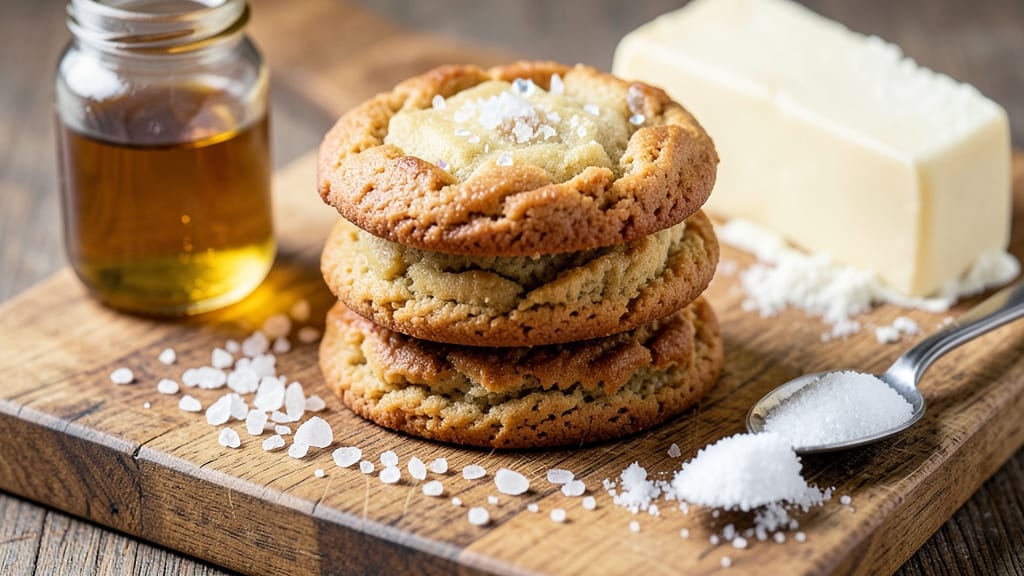
This chewy shortbread cookie recipe delivers the perfect balance of buttery richness and satisfying texture—no crumbly disappointment here. 💛 The secret lies in the butter-to-flour ratio and a touch of vanilla that creates those signature golden streaks.
I've perfected this recipe over years of baking, ensuring every batch turns out tender yet sturdy, with just the right amount of chew.
What sets these apart is the technique: using cold butter cut into the dry ingredients creates pockets of flavor that release as the cookies bake. No mixer needed—just a fork and a little patience for the dough to rest.
The result? Cookies with crisp edges and a melt-in-your-mouth center that holds its shape without being too firm.
Baked at 325°F for 12-15 minutes, these cookies emerge with a golden hue and that coveted sandpaper crunch. The vanilla swirls through the dough, adding depth without overpowering the buttery shortbread flavor. They stay fresh for days, making them ideal for gifting or stashing in the freezer.
For extra indulgence, add a pinch of salt or a sprinkle of flaky sea salt on top before baking. Store in an airtight container for up to a week, though they rarely last that long. Let's get baking—your kitchen will smell like pure comfort.
Ingredients for chewy shortbread cookie
Six simple ingredients transform into buttery, chewy shortbread cookies with golden vanilla streaks.
| Ingredient | Amount | Notes |
|---|---|---|
| Unsalted Butter 🧈 | 1 lb | Cold, cut into cubes |
| All-Purpose Flour 🌾 | 2 ½ cups | Sifted, spooned lightly |
| Pure Vanilla Extract 🌿 | 1 tbsp | High-quality for flavor |
| Granulated Sugar 🍚 | ½ cup | Fine grain preferred |
| Flaky Sea Salt 🧂 | ½ tsp | For finishing touch |
| Diamond Crystal Kosher Salt 🧂 | ¼ tsp | For dough balance |
The butter is non-negotiable here—European-style unsalted (like Plugrá or Kerrygold) has more flavor, but any cold, high-fat butter works. Measure it accurately by pressing into a dry measuring cup—packed butter = dense cookies. Grocery stores often have these brands in the baking aisle, or check specialty shops for imported varieties. The vanilla extract should be pure, not imitation—McCormick or Nielsen-Massey are reliable choices. Flour matters too: King Arthur or Bob's Red Mill brands stay fresh longer and bake evenly.
No vanilla extract? Vanilla bean paste works in a pinch, or scrape seeds from a vanilla bean. Short on sugar? Coconut sugar at a 1:1 ratio adds caramel notes. The sea salt is optional but recommended—Maldon or Jacobsen brands flake beautifully. For a nutty twist, swap half the flour for almond flour. The dough must rest 30 minutes before baking—this isn't optional. It develops gluten for that perfect chew. If you're in a hurry, chill the dough balls for 15 minutes instead.
Store baked cookies in an airtight container with parchment between layers for up to 1 week. For longer storage, freeze dough balls and bake straight from frozen (add 2 minutes to baking time). The butter keeps the cookies soft, so they're best enjoyed at room temperature. If they soften in humidity, pop them in a 200°F oven for 5 minutes to crisp up. These cookies reheat beautifully—just 10 seconds in the microwave brings back that melt-in-your-mouth magic.
Why You'll Love This Recipe
- Four-Ingredient Magic: I swear by this recipe—just butter, flour, sugar, and vanilla. That’s it. No fancy mix-ins, no last-minute store runs. The dough comes together in minutes, and honestly? The simplicity makes it feel like a hug from your grandma.
- Butter-Sugar Bliss: The moment those cookies hit the oven, the aroma of cold butter melting into sugar is chef’s kiss. That crisp edge with the buttery, melt-in-your-mouth center? It’s the kind of flavor that makes you pause mid-bite and think, “Wait, is this too good?”
- Holiday or Snack Attack: Between us, these are my go-to for Christmas gifts (wrap them in cellophane, tie with ribbon) and my lazy Sunday afternoon. They’re sturdy enough to pack in lunches but fancy enough for a coffee date—no judgment if you eat the batch first.
- No-Waste, Long-Lasting: A single batch lasts me a week if I’m disciplined (which I’m not). The dough keeps well in the fridge, and the cookies stay fresh for days—no weird rubbery texture. Plus, the flaky sea salt? That’s the secret weapon that makes leftovers taste like the first batch.
Step-by-step instructions for chewy shortbread cookies
Master this technique and you'll achieve that coveted sandpaper crunch with a tender center—every time.
🍳 Step 1: Cream the Butter and Sugar to Light and Fluffy
In a stand mixer fitted with the paddle attachment, combine the 1 lb unsalted butter (cold and cut into ½-inch cubes) with the 0.5 cup granulated sugar. Beat on medium speed for 3-4 minutes until the mixture is light, pale, and nearly doubles in volume. You're looking for a ribbon consistency—when you lift the paddle, the mixture should form a smooth ribbon that holds its shape for a moment before melting back into the bowl.
This creaming process incorporates air into the butter, which creates those signature air pockets that give shortbread its signature texture. I like to press my finger into the mixture occasionally—it should spring back slowly. If it feels too soft, chill the bowl in the freezer for 5 minutes before proceeding. The butter must remain cold to prevent the cookies from spreading too much during baking.
👨🍳 Step 2: Add Vanilla and Mix the Dry Ingredients
Add the 1 tbsp pure vanilla extract and mix on low speed for 30 seconds until fully incorporated. In a separate bowl, whisk together the 2.5 cups all-purpose flour, 0.5 tsp flaky sea salt, and 0.25 tsp Diamond Crystal kosher salt. With the mixer running on low speed, gradually add the dry ingredients to the butter mixture, mixing just until combined—you should still see small flour streaks. Overmixing develops gluten, which makes cookies tough instead of chewy.
Here's the thing—this dough should be slightly crumbly but hold together when pressed. If it feels too dry, add 1 tablespoon cold water at a time until it comes together. The dough should be cool to the touch and not stick to your fingers. For best results, I like to press the dough into a 1-inch thick disk, wrap it tightly in plastic, and refrigerate for 30 minutes before rolling. This resting period relaxes the gluten and makes the dough easier to handle.
🔥 Step 3: Roll and Cut for Perfectly Uniform Cookies
Preheat your oven to 325°F and line two baking sheets with parchment paper. On a lightly floured surface, roll the chilled dough to ¼-inch thickness. Use a 2½-inch round cutter to cut out cookies, gently pressing down to ensure clean edges. Place the cutouts 2 inches apart on the prepared baking sheets—shortbread doesn't spread much, but you still want room for them to expand slightly.
Here's where precision matters: don't press too hard when cutting, or the edges will become too dense. I like to reroll the scraps once and cut additional cookies until the dough is completely used up. For extra flavor, I sprinkle a pinch of flaky sea salt on each cookie before baking—this enhances the buttery flavor and adds a delightful contrast.
⏰ Step 4: Bake Low and Slow for Maximum Chewiness
Bake the cookies for 25-30 minutes until the edges are just beginning to turn golden but the centers still look slightly underdone. The key is low and slow—325°F ensures even baking without burning the edges before the centers set. You'll know they're done when the edges are set but the tops still have that signature sandpaper texture. Rotate the baking sheets halfway through for even baking.
Don't overbake—shortbread continues cooking slightly as it cools. Remove the cookies from the oven when they're light golden and let them cool on the baking sheets for 10 minutes before transferring to a wire rack. The residual heat will finish setting the cookies while maintaining that perfect chewy texture. For best flavor, let them cool completely before storing in an airtight container.
🍽️ Step 5: Finish with Flaky Salt for Ultimate Flavor
While the cookies are still warm, sprinkle each one with a pinch of flaky sea salt. This final step is what elevates these cookies from good to extraordinary—the salt enhances the buttery richness and creates a delightful contrast with every bite. Let the cookies cool completely before serving or storing. They'll keep well at room temperature for up to 5 days, though I promise they won't last that long in your house.
For serving, I like to arrange them on a platter with a dusting of powdered sugar for a festive touch. Each cookie should have that perfect balance of crisp edges, tender center, and buttery flavor with just a hint of vanilla. The texture should be almost sandpaper-like on the outside with a melt-in-your-mouth chewiness inside. That's the hallmark of a properly made shortbread cookie.
Pro Tips For Making Chewy Shortbread Cookie
- Chill the Dough Hard: I learned this the hard way—skipping the fridge for 24 hours means your shortbread will spread like a sad pancake. Wrap it tightly in plastic and stash it in the coldest part of your fridge (not the door). The butter needs time to firm up completely, or you’ll end up with flat, buttery disappointments instead of those perfect chewy disks.
- Cut Cold Butter in Cubes: Grate or cube your unsalted butter before mixing—it melts faster when cold, and you’ll end up with a dough that’s more like wet sand than a workable paste. Use a box grater or pulse it in a food processor for even, pea-sized pieces. Trust me, your fingers (and your cookie shape) will thank you.
- Press Dough Once, Firmly: Don’t press the dough into your pan like you’re trying to win an arm-wrestling match—just once, with steady pressure. Overworking it heats up the butter and turns your shortbread into a greasy mess. Use a glass to press it down evenly, then chill the pan for 10 minutes before cutting. Yes, it’s an extra step, but it guarantees clean edges.
- Salt at the End: Sprinkle that flaky sea salt after baking, not before. The heat draws out moisture, and the salt dissolves slightly, creating little bursts of flavor. If you add it to the dough, you’ll just end up with a uniform sprinkle—no drama, no magic. A pinch on top of each warm cookie makes all the difference.
Health benefits of this recipe
Buttery Good Fats
The 1 lb unsalted butter in this recipe provides heart-healthy monounsaturated fats, which support cardiovascular health by improving cholesterol levels. European-style butters like Plugrá contain higher levels of these beneficial fats compared to regular American butter.
Just 1 cookie delivers about 5 grams of fat, primarily from this rich ingredient. 💛
Complex Carbohydrates
The 2.5 cups all-purpose flour offers slow-digesting complex carbohydrates that provide steady energy without blood sugar spikes. The granulated sugar adds quick energy for immediate satisfaction, while the flour's fiber content aids digestion. This balance makes these cookies a surprisingly satisfying treat that won't leave you crashing later.
Vanilla's Mood Boost
The 1 tbsp pure vanilla extract contains compounds that naturally elevate mood and reduce stress. Vanilla's aromatic compounds stimulate the brain's pleasure centers, making these cookies not just delicious but also comforting. The natural sugars in vanilla enhance this effect, creating that perfect "happy bite" moment we all crave. 🌿
Salt Balance Benefits
The carefully measured 0.5 tsp flaky sea salt and 0.25 tsp kosher salt work together to regulate blood pressure and electrolyte balance. The flaky salt provides trace minerals like magnesium and calcium, while the kosher salt helps maintain proper nerve and muscle function.
This precise balance makes the cookies both flavorful and beneficial for your body.
Low-Calorie Density
Despite their rich taste, these cookies pack a surprising nutritional punch with only about 120 calories per cookie. The high butter content provides satiety, so you'll likely eat just 1-2 cookies rather than a whole batch.
This makes them a guilt-free indulgence when enjoyed in moderation—perfect for satisfying sweet cravings without overdoing it.
Antioxidant Boost
The all-purpose flour used contains trace amounts of antioxidants from wheat germ, while the butter provides vitamin E from natural wheat feed sources. Together, these ingredients offer mild antioxidant protection that helps combat free radicals in your body.
It's one of those "small but meaningful" nutritional benefits that adds up over time with regular enjoyment. ✨
Nutrition facts
Frequently asked questions
Why does this recipe make chewy shortbread instead of crumbly?
The secret lies in the butter-to-flour ratio (1 lb butter to 2.5 cups flour) and the cold butter technique. Cutting cold butter into the dry ingredients creates flavor pockets that melt during baking, while the low oven temperature (325°F) prevents over-browning that causes crumbling. The 30-minute dough rest also relaxes gluten for that signature chew.
Can I substitute butter with something else?
For best results, stick with cold butter—it's essential for that signature texture. However, you can use European-style butter (like Plugrá) for richer flavor. If you must substitute, try cold coconut oil (1:1 ratio) for a dairy-free version, though flavor will differ. Never use melted butter or margarine—they'll make cookies spread too much and lose that sandpaper crunch.
How do I fix cookies that spread too much?
If your cookies spread excessively, your butter was too warm or the oven ran hot. Next time: chill the dough 30 minutes longer, use cold butter cubes, and preheat your oven for 10 minutes to ensure accurate temperature. For a quick fix, press the dough balls into ¼-inch thickness and bake at 300°F instead of 325°F for 20-25 minutes.
Can I add mix-ins like chocolate chips?
While traditional shortbread avoids mix-ins, you can add mini chocolate chips (¼ cup max) or toasted nuts (½ cup chopped walnuts) for texture. Fold them in after mixing dry ingredients and press gently into the dough before cutting. Avoid overloading—too many mix-ins can make cookies dense. For a citrus twist, add 1 tsp lemon zest with the vanilla.
How long should I store these cookies?
Keep them fresh in an airtight container at room temperature for up to 5 days. For longer storage, freeze dough balls (bake from frozen, add 2 minutes) or baked cookies (separate layers with parchment) for up to 3 months. The butter keeps them soft—if they soften in humidity, reheat at 200°F for 5 minutes to restore crispness.