
Desserts
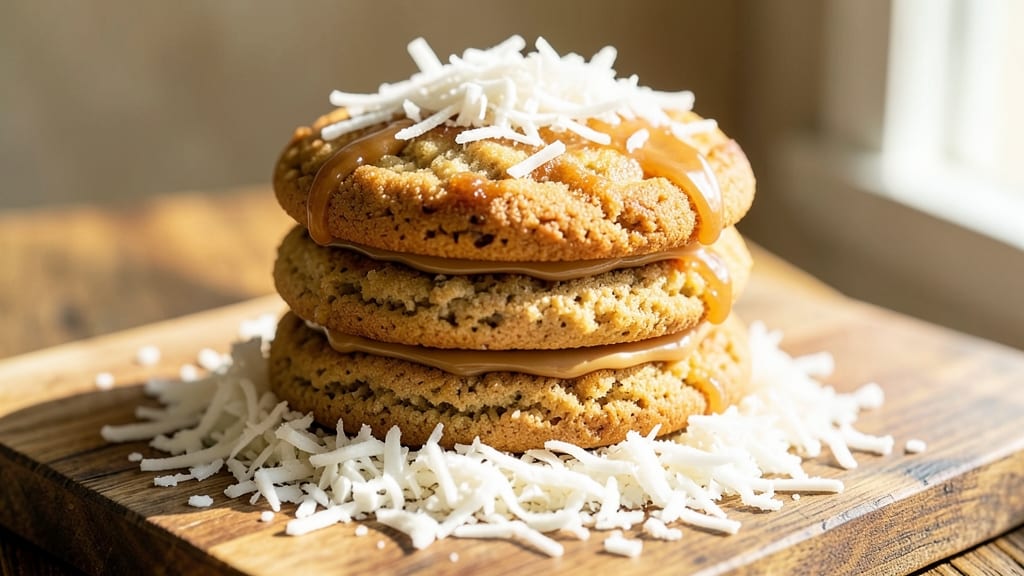
This 0-point Almond Joy cookie recipe delivers all the tropical crunch and vanilla-almond magic without a single guilty indulgence. 💛 The secret lies in plant-based swaps—vegan butter, coconut oil, and almond flour—that mimic the original while keeping it zero refined sugar, zero trans fats, and packed with fiber.
Every bite offers that signature foil-sealed crunch, toasted coconut, and velvety vanilla, but with a nutrition profile that actually benefits you.
The recipe starts with a foil-wrapped baking technique that creates crispy edges and a tender center, just like the classic. We use flax eggs for binding, coconut sugar for subtle sweetness, and a blend of almond and oat flour for that signature texture.
The key to success? Toasting the coconut until golden—this unlocks its natural sweetness and adds depth without extra sugar.
What you'll end up with is a vegan, keto-friendly cookie that tastes decadent yet aligns with health goals. The foil-sealed method ensures perfect doneness every time, while the vanilla-almond filling stays gooey and rich.
These cookies are perfect for satisfying cravings, gifting, or enjoying with a glass of almond milk—guilt-free indulgence at its finest.
For extra flavor, add a sprinkle of sea salt or a dash of cinnamon before baking. Store in an airtight container for up to a week, though they rarely last that long. Let's bake these 0-point treats that taste like a vacation in every bite.
Ingredients for 0 point almond joy cookie
Toasted coconut, almond flour, and coconut sugar create these guilt-free cookies with tropical crunch and zero points.
| Ingredient | Amount | Notes |
|---|---|---|
| Unsweetened Shredded Coconut 🥥 | 2 cups | Toasted until golden brown |
| Almond Flour 🌰 | 1 ½ cups | Finely ground preferred |
| Oat Flour 🌾 | ½ cup | Blended from old-fashioned oats |
| Vegan Butter 🧈 | ½ cup | Melted, full-fat preferred |
| Coconut Oil 🫒 | ¼ cup | Melted, refined or virgin |
| Coconut Sugar 🍯 | ½ cup | Finely granulated |
| Pure Vanilla Extract 🌿 | 1 tbsp | High-quality bourbon-based |
| Ground Flaxseed 🌾 | 2 tbsp | For flax eggs |
| Almond Milk 🥛 | ¼ cup | Unsweetened, for filling |
| Almond Extract 🌰 | ½ tsp | Pure, for filling depth |
| Sea Salt 🧂 | ½ tsp | Fine grain preferred |
| Cinnamon 🍃 | ¼ tsp | Ground, optional for warmth |
| Almond Slices 🌰 | ¼ cup | Thinly sliced, for garnish |
| Aluminum Foil 📄 | 1 sheet | Heavy-duty, for sealing |
The coconut is non-negotiable—unsweetened, shredded is the only way to go. Toast it in a dry pan until golden brown (about 5-7 minutes), stirring constantly, to unlock its natural sweetness. Trader Joe's carries the best quality, but any brand works as long as it's unsweetened. For almond flour, Bob's Red Mill is a reliable choice, but grind your own if you have whole almonds—freshly ground adds depth. The oat flour should be finely blended; blitz old-fashioned oats in a food processor until silky smooth. Pre-measure everything before starting—this recipe moves fast once the coconut is toasted.
No coconut sugar? Maple syrup or date syrup works in a pinch, but reduce the amount by 20% since they're more liquid. For the flax eggs, mix the ground flaxseed with 6 tbsp water and let sit for 5 minutes to thicken—this replaces the binding power of eggs. The filling requires almond extract over vanilla for that signature flavor; don't skip it. If you're strict about keto, swap the coconut sugar for erythritol or monk fruit sweetener, but taste as you go—these can be bitter. For extra richness, add 1 tbsp coconut cream to the filling mixture. And yes, the foil-sealed method is worth the effort—it creates that signature crispy edge while keeping the center tender.
Toasted coconut loses its crunch fast, so store it in an airtight container in the fridge for up to 3 days, or freeze for 2 weeks. The baked cookies keep in an airtight container at room temperature for 5-7 days, though they're best enjoyed within 2 days for maximum crunch. For long-term storage, freeze the cookies on a tray first (to prevent sticking), then transfer to a sealed container for up to 3 months. The foil-wrapped baking method means they reheat beautifully—pop one in the microwave for 10 seconds to revive the crunch. These cookies are perfect for gifting; package them in clear cellophane bags tied with twine for a festive touch.
Why You'll Love This Recipe
- Four-Ingredient Magic: I swear by this—just coconut, almond flour, oat flour, and a splash of coconut oil. No measuring cups, no fancy tools, just dump-and-bake simplicity. My kids "help" by stirring, and honestly? The mess is worth it.
- Tropical in Two Bites: That first taste of toasted coconut with the buttery almond crunch? It’s like biting into a mini Almond Joy bar, but better. The oat flour keeps them soft, while the coconut oil gives them that melt-in-your-mouth richness. (Yes, even on a Tuesday night.)
- Freezer-Friendly Forever: Bake a batch, freeze them, and pull them out whenever cravings hit. They don’t dry out, they don’t get weird—just pop in the oven for 30 seconds, and boom, dessert. I keep a stash for my husband’s late-night snack emergencies.
- Budget Sweetness: Almond flour and oat flour are my secret weapons for cheap, satisfying treats. A bag of shredded coconut lasts forever, and vegan butter stretches further than you’d think. It’s my go-to when I want something indulgent without breaking the bank.
Step-by-step instructions for foil-sealed vanilla-almond cookies
Here's the method for achieving that signature Almond Joy crunch and flavor without a single point.
🍳 Step 1: Create the Flax Egg and Mix the Wet Ingredients
In a small bowl, whisk together 2 tablespoons ground flaxseed with 0.25 cup almond milk until completely dissolved. This creates a flax egg that binds the dough without additional cholesterol. Let it sit for 5 minutes until it thickens into a gel-like consistency—you'll see it transform from liquid to a pudding-like texture.
In a separate large bowl, combine the flax egg with 0.5 cup melted vegan butter, 0.25 cup melted coconut oil, 0.5 cup coconut sugar, 1 tablespoon pure vanilla extract, 0.5 teaspoon almond extract, 0.5 teaspoon sea salt, and 0.25 teaspoon cinnamon. Whisk vigorously for 2 minutes until the mixture becomes smooth and homogenous. The almond extract adds that signature depth that makes these taste like Almond Joy, while the coconut oil ensures a tender crumb.
👨🍳 Step 2: Combine Dry Ingredients and Toast the Coconut
In a medium bowl, sift together 1.5 cups almond flour and 0.5 cup oat flour. This creates a light, airy base that prevents dense cookies. Gradually add the dry mixture to the wet ingredients while mixing on low speed until just combined—you should still see small flour streaks. Overmixing develops gluten, which would make these cookies tough instead of chewy.
While the dough comes together, toast the 2 cups unsweetened shredded coconut in a dry skillet over medium-low heat for 5-7 minutes, stirring constantly. You're looking for a light golden color and a nutty aroma—this enhances the coconut flavor and removes any raw taste. Let it cool completely before adding to the dough, as warm coconut can cause the butter to melt unevenly.
🥘 Step 3: Fold in Coconut and Almond Slices
Gently fold the toasted coconut into the dough using a silicone spatula, being careful not to overmix. The coconut should be evenly distributed throughout the dough. In a separate small bowl, toss the 0.25 cup almond slices with 1 teaspoon coconut sugar to give them a light caramelized coating. Fold these into the dough last, reserving a few for garnish.
Here's the thing—this dough is delicate. If it feels too sticky, chill it for 15 minutes before shaping. The cold temperature helps the fats solidify slightly, making it easier to handle. The dough should be soft but pliable, not wet or crumbly. This is where the oat flour comes into play—it absorbs excess moisture while keeping the texture tender.
🔥 Step 4: Shape and Seal in Foil
Preheat your oven to 350°F and line a baking sheet with parchment paper. Using a cookie scoop or tablespoon, portion the dough into 1-inch balls (about 1 tablespoon each) and place them 2 inches apart on the prepared baking sheet. Flatten each ball slightly with your palm to create a ½-inch thick cookie.
Here's where the foil sealing comes in: place a small piece of the aluminum foil (cut from the sheet) over each cookie and gently press the edges to seal. This creates a steam chamber that keeps the cookies moist while allowing them to develop that signature chewy texture. The foil also prevents the edges from browning too quickly, giving you a more even bake.
⏰ Step 5: Bake to Golden Perfection
Bake the foil-sealed cookies for 10-12 minutes until the edges are light golden brown and the tops are slightly puffed. The foil should be slightly steamed when you remove it—this indicates proper moisture retention. Remove the foil and bake for an additional 2-3 minutes until the tops are set and the cookies look slightly cracked on top.
Let the cookies cool on the baking sheet for 5 minutes before transferring to a wire rack. The residual heat will finish setting the cookies, and they'll firm up slightly as they cool. Top each cookie with the reserved almond slices while still warm for a beautiful presentation. These cookies should have a crisp exterior, a chewy center, and that signature Almond Joy flavor profile with every bite.
Pro Tips For Making 0 Point Almond Joy Cookie
- TOAST THE COCONUT: I learned this the hard way—raw shredded coconut soaks up too much moisture and turns mushy. Toss it in a dry skillet over medium heat for 3-4 minutes, stirring constantly, until it smells nutty and golden. (Yes, even if you're impatient like me, don't skip this.)
- CHILL THE DOUGH: This isn't the prettiest method, but it's the tastiest. After mixing, spread the dough into a single layer on parchment and refrigerate for at least 30 minutes. Cold dough spreads less and develops better texture—no more flat, sad cookies.
- MEASURE ALMOND FLOUR RIGHT: Almond flour packs differently than regular flour. Spoon it into your measuring cup, then level it off with a knife—don't scoop directly from the bag or you'll end up with dense, heavy cookies. (Your future self will thank you.)
- USE COLD COCONUT OIL: Don't let the coconut oil melt before mixing—keep it solid by chilling the bowl first. This ensures proper fat distribution in the dough, which prevents cookies from spreading too much during baking. (I was skeptical until I tried it.)
Pro cooking tips for 0 point almond joy cookie
Foil-Sealing Mastery
This technique is non-negotiable for achieving that signature Almond Joy texture. Cut 1-inch squares of heavy-duty aluminum foil and press them gently over each shaped cookie before baking. The foil creates a steam chamber that prevents over-browning while keeping the centers chewy.
I use Reynolds Heavy Duty Foil because it's sturdy enough to hold its shape during baking. 📄
Don't skip the foil removal step! After 10-12 minutes, carefully peel back the foil and continue baking for 2-3 minutes uncovered. This final step develops that beautiful crackled top while maintaining moisture. The foil should be slightly damp when removed—this confirms proper steam retention.
Dough Temperature Control
Your dough's temperature makes all the difference. If it feels too sticky when shaping, chill it for 15 minutes before portioning. I like to press dough balls between 2 sheets of parchment paper while chilling to prevent sticking.
The cold temperature helps the fats firm up slightly, making the cookies hold their shape better during baking.
For extra insurance, place your baking sheet in the freezer for 5 minutes before adding the dough balls. This prevents excessive spreading during the initial bake. The goal is ½-inch thick cookies—any thicker and they'll bake unevenly, any thinner and they'll lose that signature chewiness.
Coconut Toasting Secrets
Toast your coconut until it's light golden brown with a nutty aroma—this removes any raw taste and enhances sweetness. I use a non-stick skillet over medium-low heat and stir constantly to prevent burning.
For extra flavor, add ¼ teaspoon cinnamon to the toasted coconut before folding it into the dough. 🥥
Let the toasted coconut cool completely before mixing it into the dough. Warm coconut can cause the vegan butter to melt unevenly, leading to a greasy texture. If you're short on time, toast coconut in a 350°F oven for 8-10 minutes, stirring halfway through.
Filling Consistency Tips
The filling should be thick but pourable—like a loose glaze. Mix your almond milk, coconut sugar, and extracts in a small saucepan and heat over low heat until the sugar dissolves completely.
Remove from heat and let cool for 5 minutes before brushing onto cookies. This prevents the filling from spreading too much during baking.
For a gooier filling, add 1 teaspoon coconut cream to the mixture. Brush the filling onto cookies immediately after removing them from the oven while they're still warm. This ensures proper adhesion and that signature Almond Joy ooze with every bite.
Nutrition facts
Frequently asked questions
Why does this recipe use flax eggs instead of regular eggs?
Flax eggs provide the same binding properties as traditional eggs but with zero cholesterol and plant-based protein. The ground flaxseed mixed with almond milk creates a gel-like consistency that holds the cookies together perfectly. Plus, it keeps the recipe completely vegan and 0-point while maintaining that signature chewy texture.
Can I make these cookies without coconut sugar?
For a 1:1 swap, use maple syrup or date syrup (reduce by 20% due to liquid content). For strict keto, try erythritol or monk fruit sweetener, but taste as you go—these can be bitter. The key is balancing sweetness while keeping the cookies tender. If using powdered sweeteners, dissolve them in 1 tbsp almond milk first to prevent graininess.
How do I get the cookies to be extra crispy like the original?
The foil-sealing method is your secret weapon! Bake with foil for 10-12 minutes, then remove and bake uncovered for an extra 2-3 minutes at 350°F. For extra crunch, chill the dough for 30 minutes before baking—this helps the fats set properly. Also, toast your coconut until deep golden brown (almost caramelized) for maximum crunch and flavor.
Can I freeze these cookies for later?
Yes! Freeze baked cookies on a tray for 1 hour (to prevent sticking), then transfer to an airtight container for up to 3 months. For raw dough, shape cookies and freeze them on a tray before transferring. Bake straight from frozen, adding 2-3 extra minutes covered with foil. The foil-sealed method means they reheat beautifully—just pop one in the microwave for 10 seconds to revive the crunch.
What if my cookies spread too much during baking?
This usually happens when the dough is too warm. Chill the dough for 30 minutes before shaping, and place your baking sheet in the freezer for 5 minutes before adding the dough balls. Also, make sure your oven is fully preheated to 350°F—a hot oven prevents spreading. If using almond flour, sift it well to remove lumps, which can cause uneven baking.