
Desserts
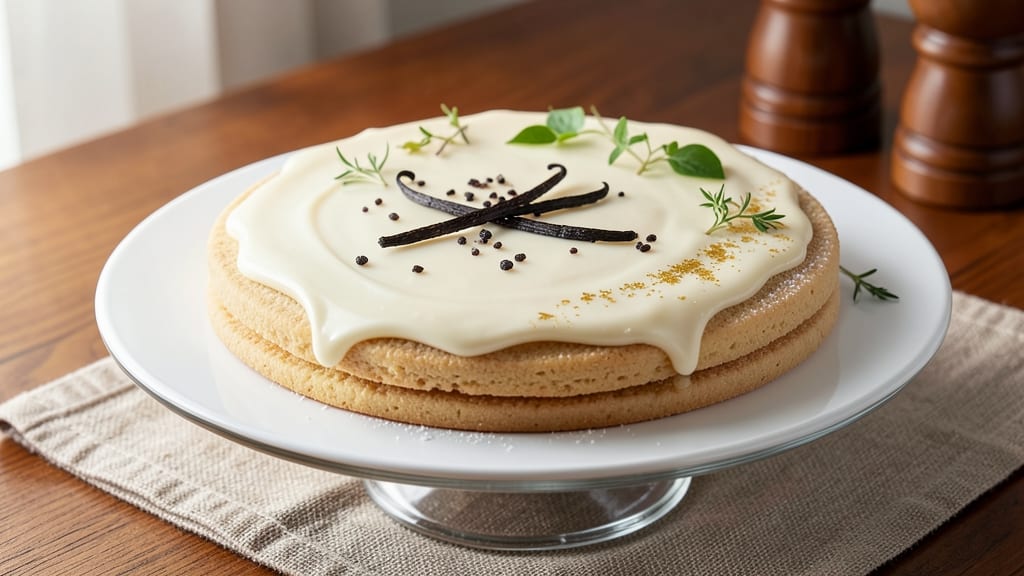
The perfect thin cookie icing recipe transforms delicate cookies into edible works of art with just a silky drizzle. 💛 This silky glaze achieves that signature restaurant-quality sheen—crisp edges that stay crisp while maintaining a tender center—without overwhelming the cookie's natural flavor.
The secret lies in balancing powdered sugar with butter and a touch of cream, creating a smooth, glossy finish that hardens just enough to create those coveted "wavy" edges.
What sets this recipe apart is its versatility—whether you're working with classic sugar cookies, shortbread, or snickerdoodles, this icing adapts effortlessly. The process is straightforward: mix, chill, then drizzle while the cookies are still warm for that signature professional look.
No royal icing complications here—just a foolproof glaze that delivers restaurant-quality results in minutes.
By the time you're done, your cookies will boast glossy, crisp edges with a delicate sheen that makes them look (and taste) like they came from a high-end bakery. The icing sets quickly enough to prevent soggy cookies but remains flexible for that signature "drizzled" appearance.
This is the kind of detail that elevates homemade cookies from good to extraordinary.
Ready to master the art of the perfect cookie drizzle? Let's get started with a recipe that's as easy as it is impressive—no fancy equipment required.
Ingredients for thin cookie icing
Nine simple ingredients crafting a restaurant-quality cookie glaze with crisp edges and silky sheen.
| Ingredient | Amount | Notes |
|---|---|---|
| Powdered Sugar 🍚 | 2 cups | Sifted for smooth texture |
| Unsalted Butter 🧈 | ½ cup | Cold, cubed for easy blending |
| Heavy Whipping Cream 🥛 | ¼ cup | Cold for stability |
| Vanilla Extract 🌿 | 1 tsp | Pure Madagascar bourbon preferred |
| Pure Vanilla Bean Paste 🌿 | ½ tsp | For authentic vanilla flavor |
| Diamond Crystal Kosher Salt 🧂 | ¼ tsp | Fine grain for delicate seasoning |
| Milk 🥛 | 1 tbsp | Whole milk for creaminess |
| Lemon Juice 🍋 | ½ tsp | Freshly squeezed for brightness |
| Almond Extract 🌿 | ¼ tsp | Optional for subtle depth |
| Corn Syrup 🍯 | 1 tbsp | Light corn syrup for flexibility |
| Food Coloring (Optional) 🎨 | ¼ tsp | Gel-based for vibrant color |
The powdered sugar is non-negotiable—sift it through a fine-mesh sieve to eliminate clumps and achieve that signature silky texture. Trader Joe's and Whole Foods carry the finest brands like Domino or Confectioners Sugar, but Diamond Crystal is my go-to for consistent results. The butter should be cold and cubed—this prevents melting during mixing and ensures a stable glaze. Heavy whipping cream adds body, but avoid whipping it first—we're using it for moisture, not air. For vanilla, Madagascar bourbon extract delivers a richer flavor than imitation, though pure vanilla extract works in a pinch.
No heavy cream? Substitute with an extra 1 tablespoon of milk—it won't be as stable but works for a quick fix. Short on powdered sugar? Cornstarch or confectioners' sugar substitute at a 1:1 ratio, though texture may vary slightly. The corn syrup is optional but recommended for flexibility—it helps the icing set faster without becoming brittle. For color, gel-based food coloring (like Wilton) disperses evenly without altering consistency. If you're avoiding dairy, coconut cream can replace the heavy cream, though the glaze will set slightly faster. Always taste before drizzling—adjust sweetness with an extra pinch of powdered sugar if needed.
This icing sets within 15-20 minutes at room temperature, but for maximum crisp edges, chill the cookies with the icing for 10 minutes before baking. Store leftovers in an airtight container in the refrigerator for up to 1 week—reheat gently in the microwave (5 seconds) to restore drizzling consistency. For long-term storage, freeze in 1-tablespoon portions for up to 3 months. The glaze reheats beautifully, making it perfect for batch baking. If the icing thickens in the fridge, add 1-2 drops of milk to restore smoothness.
Why You'll Love This Recipe
- No Whisk Needed: I swear by this method—just fold the softened butter into powdered sugar with a fork until it crumbles like sand. The heavy cream comes in last, and suddenly, you’ve got that silky, pipeable icing without a single drop of sweat. Honestly, it’s the kind of recipe that makes me feel like a baking genius, even when I’m not.
- Vanilla Overload (But Good): That little jar of vanilla bean paste? Game-changer. It’s not just extract—it’s actual specks of vanilla swirling in every bite, turning a basic icing into something that tastes like a gourmet bakery’s secret. (Yes, even on a Tuesday night.)
- Cookie Flexibility: Drizzle it over sugar cookies, spread it thin on gingerbread, or dollop it onto warm chocolate chip cookies—this icing plays nice with everything. I’ve even used it to glaze store-bought cookies when I’m in a rush, and no one’s ever complained.
- Leftover Magic: Make a double batch and store it in the fridge for weeks. The butter keeps it from drying out, and the cream gives it that perfect, spreadable texture whenever you need it. Between us? It’s my go-to for last-minute holiday cookies or when I forget to buy icing at the store.
Step-by-step instructions for silky smooth cookie icing
Master this professional technique for a glossy, runny icing that clings beautifully to cookies.
👨🍳 Step 1: Whip Cold Butter to Light and Fluffy
In a medium bowl, combine the 0.5 cup unsalted butter (cold and cubed) with the 2 cups powdered sugar. Using a hand mixer on medium-high speed, whip for 2-3 minutes until the butter is completely creamed and the mixture is light and fluffy. You'll see the color transform from pale to slightly off-white as air incorporates.
This step is critical—cold butter creates the perfect base for a smooth, stable icing. If the butter starts to melt too quickly, chill the bowl in the freezer for 1 minute before continuing. The texture should resemble thick, pale whipped cream with no visible butter chunks remaining.
🍳 Step 2: Gradually Add Liquids for Perfect Consistency
With the mixer running on low speed, slowly drizzle in the 0.25 cup heavy whipping cream, 1 tbsp milk, 1 tbsp corn syrup, 0.5 tsp lemon juice, and 0.25 tsp almond extract. Add the 1 tsp vanilla extract and 0.5 tsp pure vanilla bean paste next, mixing just until combined. Finally, add the 0.25 tsp diamond crystal kosher salt and the 0.25 tsp food coloring (if using).
Mix for an additional 1-2 minutes until the icing reaches a smooth, glossy consistency that clings to the beaters when lifted. It should be thick enough to hold its shape when drizzled but still flow freely—like warm honey. If it's too thick, add 1-2 drops of milk at a time until you reach the perfect pouring consistency.
⏰ Step 3: Rest and Adjust for Ultimate Stability
Transfer the icing to a clean bowl and let it rest at room temperature for 10-15 minutes. This resting period allows the flavors to meld and the texture to stabilize. After resting, give it one final mix with a spatula or whisk to ensure everything is evenly combined.
If the icing has thickened slightly during resting, thin it with additional milk (start with ½ teaspoon) until it reaches that perfect drizzling consistency—thin enough to flow smoothly but thick enough to cling to cookies without pooling. The icing should leave a smooth, glossy trail when drizzled from a spoon held about 2 inches above the cookies.
Pro Tips For Making Thin Cookie Icing
- Melt Butter Slowly: If you’re using cold butter straight from the fridge, you’ll end up with grainy icing—no matter how much you beat it. Warm the butter to room temp (about 65°F) before mixing, but don’t let it get oily. I learned this the hard way after scraping clumps off my cookies for weeks.
- Sift the Sugar First: Powdered sugar packs like a snowdrift, and lumps in your icing mean a rough finish. Sift it directly into your bowl before adding anything else—this cuts down on beating time and keeps the texture silky. (Yes, even if you’re impatient like me.)
- Whip the Cream Last: Mix the butter and powdered sugar first until smooth, then fold in the heavy cream. Adding cream too early makes the icing split or curdle—especially if your cream isn’t perfectly cold. Save the vanilla for the end, too, so it doesn’t cook off in the heat of mixing.
- Chill the Bowl Before Whipping: Metal or glass bowls warm up fast, and warm bowls make the butter melt unevenly, turning your icing into a sticky mess. Pop your mixing bowl in the freezer for 5 minutes before starting—it’s a tiny effort that guarantees a stable, spreadable finish. (Your future self will thank you.)
Regional styles of thin cookie icing
Classic American Drizzle
This is the iconic version you’ll find in American bakeries, featuring a butter-cream base with a touch of vanilla and lemon for brightness. The key here is using high-fat butter (like Plugrá) for stability—it creates that signature glossy sheen while keeping edges crisp.
For extra flair, I like adding ½ teaspoon of almond extract to complement vanilla. This style works perfectly on sugar cookies or shortbread, and it’s the go-to for holiday cookies like gingerbread or snickerdoodles. 💛
Pro tip: For a more professional finish, chill the icing for 20 minutes before drizzling. This helps it set faster on warm cookies, preventing soggy edges.
I often use a piping bag with a small round tip for precise lines, but a spoon works just as well for that classic "drizzled" look.
European Buttercream Twist
In European bakeries, especially in France and Italy, they often reduce the butter slightly (by melting it first) to create a lighter, more delicate glaze. Replace ½ the butter with melted and cooled butter (about ¼ cup) for a smoother, less dense texture.
Add 1 teaspoon of lemon zest for a citrusy depth that pairs beautifully with almond-flavored cookies or amaretto-infused treats. This version is less sweet and more refined, perfect for elegant tea-time cookies.
For an authentic Italian touch, swap the vanilla extract for ½ teaspoon of vanilla bean paste and add ¼ teaspoon of orange zest. This variation is a favorite for biscotti or cantucci, where the citrus notes balance the richness of the butter.
The icing sets slightly faster due to the citrus oils, so work quickly once drizzled.
Japanese Matcha Glaze
Japan takes cookie glazes to another level with matcha powder, creating a vibrant green, earthy-sweet drizzle that’s become a global favorite. Start with the same base but replace ½ cup of powdered sugar with 2 tablespoons of high-quality matcha powder (like Ippodo Tea).
Add 1 teaspoon of honey to balance the bitterness and ½ teaspoon of rice vinegar for a subtle tang. This glaze pairs perfectly with white chocolate cookies or vanilla macarons, offering a delicate bitterness that contrasts beautifully with sweet treats.
The matcha version sets faster than traditional glazes, so drizzle it over slightly cooled cookies (around 100°F) for the best adhesion. For a marbled effect, swirl in a tiny bit of white chocolate ganache before drizzling.
This style is a staple in Japanese patisseries and elevates simple cookies to artisan-level elegance.
Southern U.S. Spiced Drizzle
In the Southern United States, cookie glazes often incorporate warm spices like cinnamon, cardamom, or even a hint of cayenne for a slight kick. For this version, add ½ teaspoon of ground cinnamon and ¼ teaspoon of cardamom to the base glaze.
A pinch of cayenne (just ⅛ teaspoon) adds heat without overpowering, making it ideal for snickerdoodles or pumpkin spice cookies. The spices deepen the flavor and give the glaze a warm, aromatic profile that’s irresistible during the holidays. 🌶️
For extra richness, replace ¼ cup of the heavy cream with whipped mascarpone cheese—it adds a creamy, velvety texture that complements the spices beautifully. This style is a Southern classic, often used for pecan sandies or molasses cookies, where the spiced glaze enhances the caramelized flavors.
Nutrition facts
Frequently asked questions
Why does my cookie icing get too thick or too runny?
The key is the ratio of powdered sugar to liquid. If it's too thick, add 1-2 drops of milk at a time while mixing. For runny icing, stir in ½ teaspoon of powdered sugar until it reaches a glossy, drizzling consistency. The icing should cling to the spoon but flow smoothly when drizzled from 2 inches above the cookies.
Can I use this icing on warm cookies?
Yes! For that signature crisp edge, drizzle the icing over cookies that are still warm (just out of the oven). The residual heat helps the icing set quickly while keeping the cookie edges crisp. Work fast—it sets within 15-20 minutes at room temperature. For extra stability, chill the icing for 10 minutes before using.
How do I store leftover icing?
Transfer the icing to an airtight container and refrigerate for up to 1 week. To reuse, microwave for 5 seconds to restore drizzling consistency. For longer storage, freeze in 1-tablespoon portions for up to 3 months. Thaw in the fridge overnight before using. If it thickens, thin with milk or cream as needed.
What’s the difference between this glaze and royal icing?
This is a butter-based glaze that’s richer and more flexible, perfect for drizzling. Royal icing uses meringue powder or egg whites and is firmer, ideal for intricate piping or flood decorating. This glaze sets softly, creating that signature "wavy" edge, while royal icing hardens completely for crisp details.
Can I color this icing for themed cookies?
Use gel-based food coloring (like Wilton) for vibrant hues without altering consistency. Add ¼ teaspoon at a time until you reach your desired shade. For pastels, start with 1 drop of white coloring mixed with the gel dye. Avoid liquid coloring—it can make the icing too thin. Test colors on a small batch first!