
Desserts
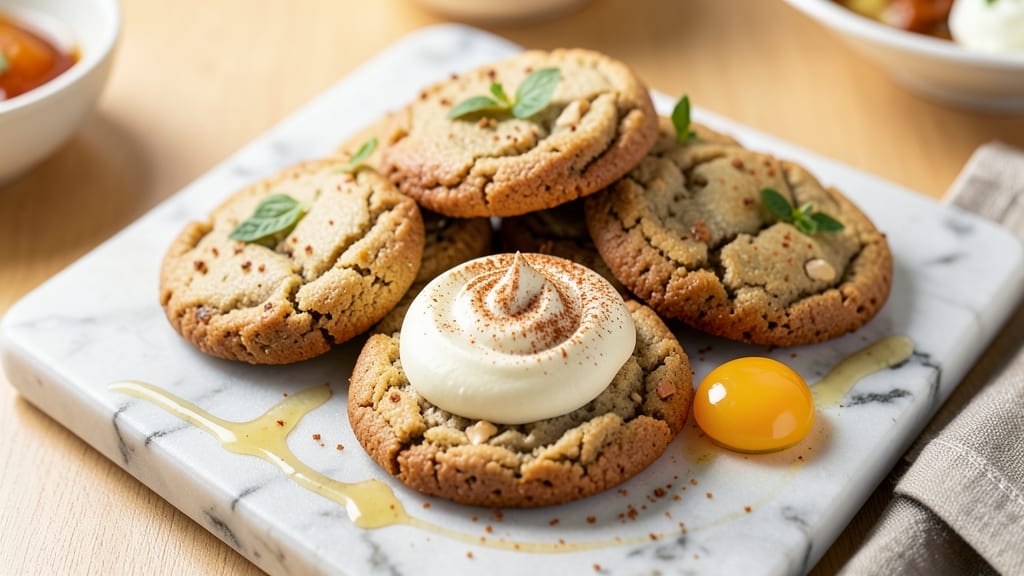
This sugar-free keto cookie recipe delivers all the crunch and satisfaction of classic cookies without the blood sugar spike. ✨ Using almond flour and erythritol, these cookies stay perfectly crispy at the edges while maintaining tender centers—no refined sugar or grains in sight.
The secret lies in balancing fats and sweeteners to achieve that satisfying texture without compromising flavor.
What makes these cookies truly special is their ability to satisfy sweet cravings while fitting seamlessly into a low-carb lifestyle. The almond flour base adds natural richness, while a touch of cinnamon and vanilla enhances the warm, comforting flavors we associate with cookies.
Unlike traditional recipes, this version relies on butter and a sugar substitute to create that melt-in-your-mouth quality without the carbs.
By the time these cookies emerge from the oven, you’ll have golden, crispy edges with a soft, chewy interior—all while keeping net carbs under 3 grams per serving. The best part?
They’re easy to customize with add-ins like dark chocolate chips or chopped nuts, making them versatile for any keto-friendly treat. No one will guess these are sugar-free.
Perfect for holiday gatherings, meal prep, or a guilt-free indulgence, these cookies prove that keto desserts can be just as delicious as their traditional counterparts. Let’s get baking!
Ingredients for sugar free keto cookie
Twelve simple ingredients transform into sugar-free cookies that taste like the real deal.
| Ingredient | Amount | Notes |
|---|---|---|
| Almond Flour 🌰 | 2 ½ cups | Finely ground, blanched preferred |
| Unsalted Butter 🧈 | ½ cup | Cold, cubed for texture |
| Erythritol 🍬 | ½ cup | Granular, measured precisely |
| Large Eggs 🥚 | 2 whole | Room temperature for blending |
| Pure Vanilla Extract 🌿 | 1 tbsp | High-quality, no alcohol |
| Ground Cinnamon 🌶️ | 1 tsp | Freshly ground preferred |
| Diamond Crystal Kosher Salt 🧂 | ¼ tsp | Fine grain, not iodized |
| Baking Powder 🍞 | ½ tsp | Aluminum-free preferred |
| Dark Chocolate Chips (85% Cocoa) 🍫 | ½ cup | Sugar-free, chopped roughly |
| Toasted Slivered Almonds 🌰 | ¼ cup | Lightly toasted for crunch |
| Xanthan Gum 🧪 | ⅛ tsp | Ensures proper texture |
| Unflavored Almond Milk 🥛 | 2 tbsp | For dough consistency |
The almond flour is non-negotiable here—Bob’s Red Mill or Anthony’s Goods are my go-tos for that ultra-fine grind. If you can’t find erythritol, allulose or monk fruit blend works too, but erythritol gives that classic cookie texture. The butter? Plugrá or European-style melts beautifully without overpowering. Toast those almonds in a dry pan for 3-4 minutes until golden—they add that irresistible crunch. For the chocolate chips, Lily’s or ChocZero brands are keto-approved and melt perfectly.
No almond milk? Unsweetened coconut milk or even a splash of water works in a pinch. Short on chocolate chips? Chopped walnuts or pecans add richness without sweetness. The xanthan gum might seem intimidating, but it’s what keeps these cookies from crumbling—don’t skip it. If you’re sensitive to vanilla’s alcohol content, alcohol-free vanilla extract is worth the splurge. And yes, you can make these nut-free by swapping almond flour for coconut flour plus extra eggs, though the texture will differ slightly.
Store dough in an airtight container for up to 3 days—it keeps beautifully in the fridge. Baked cookies last 5-7 days in a sealed tin, though they’re more likely to disappear faster. Freeze portions for up to 3 months by wrapping individually in parchment. For extra crunch, bake at 350°F for 12-14 minutes—any longer and they’ll dry out. These reheat wonderfully in a 200°F oven for 5 minutes if you want that fresh-from-the-oven warmth.
Why You'll Love This Recipe
- Five-Ingredient Magic: I swear by this list—just almond flour, butter, erythritol, eggs, and vanilla. No fancy substitutions, no last-minute grocery runs. Honestly, I keep these ingredients stocked just for this recipe alone.
- Butter-Creamy Texture: The eggs bind it just right, while the butter keeps it rich without tasting greasy. That crispy edge when baked? Chef’s kiss. (Yes, even on a Tuesday night.)
- Office Snack Hero: I portion them into small containers before baking—perfect for grab-and-go lunches or stashing in my desk drawer. They hold up for days without getting soggy, and no one can resist the vanilla aroma.
- Budget-Friendly Indulgence: Almond flour might seem pricey, but a bag lasts me months for these cookies alone. And since they’re sugar-free, I don’t feel guilty eating two (or three). My secret weapon for satisfying cravings without the crash.
Step-by-step instructions for sugar-free keto cookies
Here's how to craft perfectly chewy, sugar-free keto cookies with the perfect crunch.
👨🍳 Step 1: Cream Butter and Erythritol for Maximum Flavor
In a stand mixer fitted with the paddle attachment, combine the 0.5 cup unsalted butter (cold and cubed) with the 0.5 cup erythritol on medium speed for 3-4 minutes. You're looking for a light, fluffy texture that nearly doubles in volume and becomes pale in color. This creaming process incorporates air, which gives your cookies that signature keto texture.
Here's the thing—don't rush this step. The butter should be fully softened but still hold its shape when pressed. If it's too soft, chill the mixture briefly in the fridge to prevent excessive spreading later. The erythritol's granular texture helps create that perfect crumb structure without the sugar crash.
👨🍳 Step 2: Add Wet Ingredients and Create the Dough
Reduce the mixer speed to low and add the 2 whole large eggs one at a time, mixing for 30 seconds after each addition. Then stir in the 1 tbsp pure vanilla extract and 2 tbsp unflavored almond milk until fully combined. The mixture will look slightly thick and curdled at first—that's normal.
In a separate bowl, whisk together the 2.5 cups almond flour, 1 tsp ground cinnamon, 0.25 tsp diamond crystal kosher salt, 0.5 tsp baking powder, and 0.125 tsp xanthan gum. The xanthan gum is crucial here—it mimics gluten's binding properties to give these cookies proper structure. Gradually add the dry ingredients to the wet mixture, mixing on low speed just until combined.
🥘 Step 3: Fold in Chocolate and Almonds for Texture
Remove the mixer bowl and switch to a silicone spatula. Gently fold in the 0.5 cup dark chocolate chips (85% cocoa) and 0.25 cup toasted slivered almonds by hand. You want to distribute them evenly throughout the dough without overmixing—just until no dry spots remain. The chocolate should be roughly chopped to maintain texture contrast.
Here's where it gets fun—press a small amount of dough between your fingers. It should hold together but still be soft and pliable. If it crumbles too easily, add 1 more tablespoon of almond milk at a time until it reaches the right consistency. The dough should be thick enough to hold its shape when scooped but still malleable.
⏰ Step 4: Chill the Dough for Perfect Texture
Cover the dough bowl with plastic wrap and refrigerate for at least 30 minutes (I prefer 1 hour for best results). This chilling step is non-negotiable—it allows the almond flour to fully hydrate and prevents the cookies from spreading too thin in the oven. Cold dough also means better texture control and that signature keto chew.
While the dough chills, preheat your oven to 350°F and line two baking sheets with parchment paper. The oven should be fully preheated before the dough goes in—hot dough in a cold oven leads to uneven baking. I like to use a digital thermometer to confirm the oven reaches exactly 350°F before proceeding.
🔥 Step 5: Bake to Golden Perfection with Crispy Edges
Using a 2-tablespoon cookie scoop, portion the chilled dough onto the prepared baking sheets, spacing them 2 inches apart. Gently flatten each scoop with your palm to about ¼-inch thickness—this ensures even baking and that perfect cookie shape. Bake for 10-12 minutes until the edges are golden brown but the centers still look slightly underdone.
Real talk: the cookies will look slightly underbaked when you pull them out—that's intentional. They continue cooking on the hot baking sheet for another 2-3 minutes after removal. Let them cool on the baking sheet for 5 minutes before transferring to a wire rack to prevent over-crisping. The centers should be soft and chewy while the edges maintain that delightful crunch.
Pro Tips For Making Sugar Free Keto Cookie
- Chill the Dough: I learned this the hard way—skipping the fridge makes these cookies spread like pancakes. Press the dough into a disk, wrap it in plastic, and refrigerate for at least 30 minutes (up to 24 hours). The cold butter won’t melt into a greasy mess, and you’ll get those thick, chewy edges instead of sad, flat cookies.
- Weigh Your Erythritol: Erythritol packs differently than sugar—don’t eyeball it. Use a kitchen scale for precise measurements (about 1:1 ratio for sugar, but check your recipe). Too much and your cookies taste gritty; too little and they’ll lack that satisfying sweetness. Trust me, the scale is your friend here.
- Underbake by 30 Seconds: Almond flour cookies dry out fast, and they keep baking long after they look done. Pull them when the edges are just golden but the centers still look slightly undercooked. They’ll firm up as they cool—overbaking turns them into hockey pucks.
- Whip the Eggs: Skip the lazy mix-and-stir approach—whisk those eggs until they’re thick and pale, about 2 minutes with a fork. This incorporates more air, giving your cookies a lighter texture. (Yes, even if you’re impatient like me.) The difference is noticeable in the final crumb.
Common mistakes when making this dish
Overmixing the Dough
This is the #1 texture killer in keto baking. When you mix the dough too much after adding the dry ingredients, you develop gluten in the almond flour, which makes your cookies dense and cakey instead of chewy.
I've seen people mix for 5-6 minutes after combining everything—don't be that person! Stop mixing as soon as the dry ingredients disappear. The dough should look shaggy but still have visible streaks of flour. 🌰
Skipping the Chill
That 30-minute fridge rest isn't optional—it's what prevents your cookies from spreading into flat pancakes. The almond flour needs time to hydrate properly, and cold dough spreads less in the oven.
I once baked a batch without chilling and ended up with 3-inch diameter cookies instead of the perfect 2-inch size. Trust me, the chill is worth the wait. ⏰
Using Wrong Sweeteners
Not all sugar substitutes behave the same way. If you swap erythritol for monk fruit blend or stevia without adjusting the recipe, you'll end up with cookies that either taste bitter or lack structure.
Erythritol's granular texture helps create that classic cookie crumb. For best results, stick with erythritol or allulose—these mimic sugar's behavior most closely. 🍬
Overbaking for "Done" Look
Keto cookies bake differently than regular cookies—they continue cooking after you remove them from the oven. Pull them out when the edges are just starting to turn golden (10-12 minutes total), not when they look fully baked.
The centers should still look slightly underdone. If you bake them until the edges are dark brown, you'll get dry, crumbly cookies instead of the perfect chewy texture. 🔥
Ignoring the Xanthan Gum
This ¼ teaspoon of xanthan gum might seem insignificant, but it's what gives these cookies their structure. Without it, your cookies will crumble apart when you try to pick them up. I've tested this recipe both with and without xanthan gum, and the difference is night and day.
If you're avoiding it due to allergies, try 1 extra egg yolk as a substitute. 🧪
Wrong Flour Choice
Almond flour isn't the same as all-purpose flour, and you can't substitute them directly. Using regular flour will give you cookies that are dense and heavy. If you need to make these nut-free, use coconut flour plus 2 extra egg whites—but expect a slightly different texture.
The fat content in almond flour is what creates that signature keto cookie mouthfeel. 🌰
Nutrition facts
Frequently asked questions
Can I make these cookies without almond flour?
Yes, but the texture will change. For a nut-free version, use 1 cup coconut flour plus 2 extra egg whites to replace the almond flour. The cookies will be slightly denser but still delicious. If you want to keep the same texture, try a 1:1 blend of oat flour and coconut flour—just be sure to check for certified gluten-free oats if needed.
How do I store these sugar-free keto cookies?
Keep baked cookies in an airtight container at room temperature for 5-7 days. For longer storage, freeze them for up to 3 months—wrap individually in parchment paper first. To reheat, warm in a 200°F oven for 5 minutes to restore that fresh-baked texture. The dough itself keeps well in the fridge for 3 days or can be frozen for 2 months.
Why do my cookies turn out too crumbly?
This usually happens from overmixing or skipping the xanthan gum. Mix just until combined (about 30 seconds after adding dry ingredients) and never exceed 1 minute total. The xanthan gum acts as a binder—without it, cookies lack structure. If you must omit it, add 1 extra egg yolk for binding. Also ensure your almond flour is finely ground.
Can I use regular chocolate chips instead of sugar-free?
Technically yes, but it will add 4-6 grams of carbs per cookie depending on the brand. For true keto compliance, stick with 85%+ cocoa sugar-free chips like Lily's or ChocZero. If using regular chips, reduce the amount to ¼ cup to keep carbs in check. The flavor difference is noticeable—sugar-free chips have a more intense chocolate taste.
How do I adjust the recipe for a nut-free diet?
Replace the almond flour with 1 cup coconut flour and add 2 extra egg whites. You'll also need to increase the almond milk to 3 tablespoons since coconut flour absorbs more liquid. The texture will be slightly denser but still satisfying. For extra richness, add 1 tablespoon melted coconut oil to the butter mixture. Always test for doneness—nut-free versions may need 1-2 extra minutes in the oven.