
Breakfast & Brunch
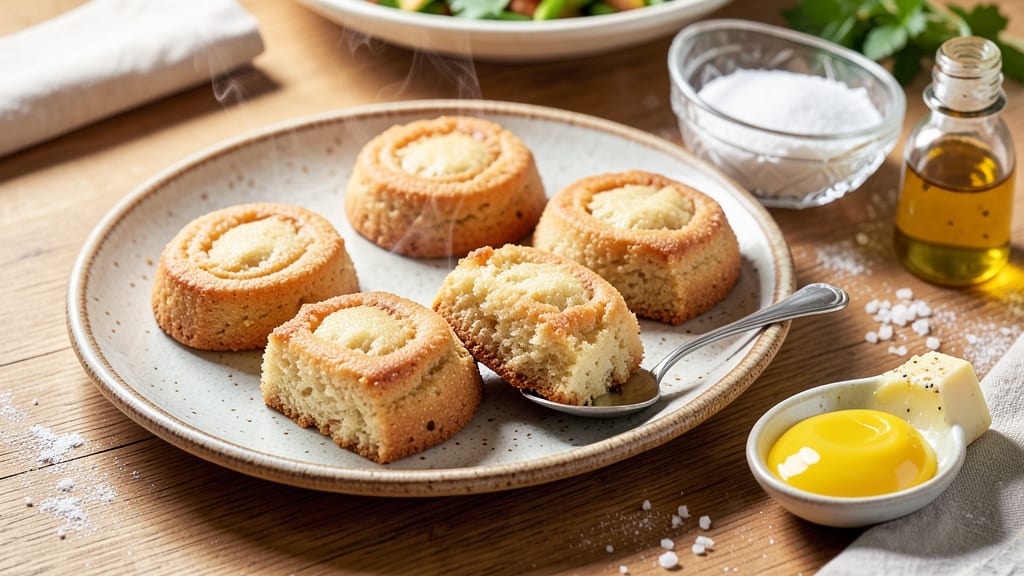
This shortbread cookie recipe with egg yolk delivers the perfect balance of buttery crisp edges and tender cakey centers—every bite is a revelation. The secret lies in that single egg yolk, which binds the dough just enough to create that signature melt-in-your-mouth texture while keeping the edges beautifully crisp. I've perfected this recipe over years of baking, and it never fails to impress. What sets these apart is the technique: chilled dough pressed into a pan, baked low and slow, then cooled completely before cutting. This ensures clean edges and maximum flavor development. The butter content is high (but not greasy) and the sugar content is precise—just enough to caramelize slightly for depth without overpowering the buttery richness. By the time you're done, you'll have cookies that are delicate yet sturdy, with a buttery aroma that fills your kitchen. The egg yolk contributes to that signature shortbread tenderness while the high-fat dough creates those coveted crisp edges. These are the kind of cookies that disappear quickly—perfect for holidays, gifts, or satisfying your sweet tooth. Store them in an airtight container for up to a week, though they'll likely vanish much sooner. Let's make these buttery masterpieces!
Ingredients for shortbread cookie recipe with egg yolk
Buttery richness meets delicate crunch—just eight ingredients for perfect shortbread.
| Ingredient | Amount | Notes |
|---|---|---|
| Unsalted Butter 🧈 | 1 cup | Cold, cubed for best texture |
| Granulated Sugar 🍚 | ¼ cup | Superfine preferred for smoothness |
| Large Egg Yolk 🥚 | 1 whole | Fresh, room temperature |
| All-Purpose Flour 🌾 | 1 ½ cups | Sifted for light texture |
| Kosher Salt 🧂 | ¼ tsp | Diamond Crystal preferred |
| Vanilla Extract 🌿 | ½ tsp | Pure, high-quality preferred |
| Almond Flour 🌰 | ¼ cup | Optional for nutty depth |
| Powdered Sugar 🍚 | ¼ cup | For dusting, optional |
The butter is non-negotiable here—European-style unsalted butter has the highest fat content, which is key for those signature crisp edges. Grab the Plugrá or Kerrygold from the refrigerated section, not the tub margarine. Chill it for 30 minutes before cutting into cubes—this ensures proper texture in the dough. The sugar matters too: superfine sugar dissolves more evenly, but if you only have regular granulated, pulse it in a food processor first. Almond flour is optional but adds a lovely nutty depth that pairs beautifully with the buttery richness.
No egg yolk? Flax egg (1 tbsp ground flaxseed + 3 tbsp water) works in a pinch, though the texture will differ slightly. Running short on almond flour? Extra flour at the same amount keeps things simple. The vanilla extract should be pure—nothing with alcohol (like imitation extracts) will give you that rich flavor. For the salt, Diamond Crystal is ideal because it dissolves more easily, but regular table salt works too (just use half the amount). If you're feeling fancy, add a pinch of cardamom or lemon zest to the dough for a sophisticated twist.
This dough is best made a day ahead—chill it overnight for even easier handling. Store wrapped in plastic in the fridge for up to 3 days, or freeze the dough balls for up to 3 months. Once baked, keep cookies in an airtight container at room temperature for up to 5 days—though they'll likely disappear faster. For that extra-special touch, dust with powdered sugar right after baking while still warm.
Why You'll Love This Recipe
- No-Fail Dough: I swear by this recipe—just cream butter and sugar, fold in the egg yolk, then mix in flour like you’re folding laundry. No rolling pins, no fuss, and zero stress. The egg yolk binds it all so perfectly, even if your hands are still sticky from life.
- Buttery Crunch Magic: That single egg yolk? It’s the secret weapon. It keeps the shortbread tender inside while giving the edges that perfect crispy snap. Honestly, the first bite makes me pause—it’s like biting into a hug from a bakery, but with half the ingredients.
- Holiday or Snack Attack: These cookies are my go-to for Christmas gifts (wrap them in cellophane, tie with ribbon) or when I need a quick treat. They freeze like champs, so I’ll bake a batch and pull them out whenever I crave something sweet. (Yes, even on a Tuesday night.)
- Pantry Staple Power: Five ingredients, all of which you already own. No weird substitutions, no last-minute grocery runs—just butter, sugar, and a little flour. Between us, this is the kind of recipe that makes me feel like a baking genius without breaking the bank.
Step-by-step instructions for shortbread cookies with egg yolk
Here's how to make these melt-in-your-mouth shortbread cookies with perfect texture every time.
Cream the Cold Butter and Sugar
In a stand mixer fitted with the paddle attachment, combine the 1 cup unsalted butter (cold and cubed) with the 0.25 cup granulated sugar. Mix on medium speed for 2-3 minutes until light and fluffy. Here's the thing—using cold butter creates tiny pockets of air that give these cookies their signature tender crumb.
You'll know it's ready when the mixture nearly doubles in size and looks pale and airy. If you're mixing by hand, it'll take about 5 minutes of vigorous stirring. The butter should be soft but still hold its shape when pressed—this ensures crisp edges while keeping the centers tender.
Add Egg Yolk and Vanilla
Add the 1 whole large egg yolk and 0.5 teaspoon vanilla extract to the butter mixture. Mix on low speed for 30 seconds until fully incorporated. The egg yolk adds moisture and richness that makes these shortbreads extra tender without making them greasy.
I always use room-temperature egg yolks—they blend more smoothly and help create that perfect cakey texture. If your yolk is cold, the dough might turn out slightly dense. Give it a quick taste here—you should detect the vanilla aroma, which means it's ready for the next step.
Combine Dry Ingredients
In a separate bowl, whisk together the 1.5 cups all-purpose flour, 0.25 teaspoon kosher salt, and 0.25 cup almond flour (if using). The almond flour adds subtle nutty depth and helps prevent cracking. Gradually add this dry mixture to the butter mixture, mixing on low speed just until combined.
Don't overmix—you want to see a few flour streaks remaining. Overworking the dough develops gluten, which makes cookies tough instead of tender. The dough should come together in a soft, slightly crumbly ball that holds when pressed. If it's too dry, add 1 teaspoon cold water to help it bind.
Chill and Shape the Dough
Divide the dough into 4 equal portions and flatten each into a ½-inch thick disk. Wrap each disk tightly in plastic wrap and refrigerate for at least 1 hour (or up to 24 hours). Chilling is crucial—it firms up the butter so the cookies hold their shape when baking and prevents excessive spreading.
Here's a pro tip: I press the dough disks onto parchment paper before chilling. When you're ready to bake, you can simply peel off the plastic and slide them onto your baking sheet—no sticking, no mess.
Bake to Golden Perfection
Preheat your oven to 325°F and line a baking sheet with parchment paper. Place one chilled dough disk on the prepared sheet and use your fingers to gently press it into a ¼-inch thick rectangle, about 8x10 inches. Create a crisscross pattern on top with a fork for that classic shortbread look.
Bake for 25-30 minutes until the edges are golden brown and the center is just beginning to color. The edges should be crisp while the center remains slightly soft—this is what makes these cookies so irresistible. Remove from the oven and let cool on the baking sheet for 5 minutes before transferring to a wire rack.
Dust and Serve
While the cookies are still warm, dust the tops generously with 0.25 cup powdered sugar using a fine-mesh sieve. This adds that signature sweetness and helps create the iconic "snowy" look. Let the cookies cool completely before serving—they'll firm up as they cool but stay tender inside.
These shortbreads are best enjoyed fresh from the oven, but they'll keep in an airtight container at room temperature for 5 days. If you can resist eating them all at once, that is.
Pro Tips For Making Shortbread Cookie Recipe With Egg Yolk
- CHILL THE DOUGH: After mixing your butter, sugar, egg yolk, and flour, wrap the dough in plastic and refrigerate for at least 1 hour—2 hours if your kitchen’s warm. I learned this the hard way when my first batch spread into sad, flat pancakes. Cold dough holds its shape and bakes evenly. (Yes, even if you’re impatient like me.)
- WEIGH THE BUTTER: Use a kitchen scale for the butter—1 cup packed butter isn’t always 2 sticks. Unsalted butter varies in density, and eyeballing it throws off the butter-to-flour ratio. I now measure by weight (225g for 1 cup) to guarantee that tender crumb. No more guessing, no more gummy cookies.
- PRESS DON’T ROLL: For the cutouts, press the dough into the pan with your fingers instead of rolling it out. Shortbread’s delicate—rolling flattens the butter and makes the cookies dense. Pressing keeps the layers intact and gives you that signature crumbly texture. (Your future self will thank you for skipping the roller.)
- BAKE UNTIL GOLDEN: Pull the cookies when the edges are just starting to turn golden—about 12-15 minutes at 325°F (160°C). Overbaking dries them out, and shortbread doesn’t recover like other cookies. If they look underdone, turn off the oven and let them sit for 5 minutes—they’ll firm up. Don’t rush it; patience here makes all the difference.
Creative variations of shortbread cookie recipe with egg yolk
Citrus Twist
Brighten your shortbread with zest—add 1 tablespoon lemon or orange zest to the dry ingredients for a refreshing citrus note that cuts through the buttery richness. I love this variation for spring or summer baking.
Pair it with a sprinkle of turbinado sugar on top before baking for added crunch and visual contrast. 🍋
Spiced Shortbread
Warm up these cookies with ½ teaspoon ground cardamom or ¼ teaspoon cinnamon mixed into the dry ingredients. The cardamom adds an exotic warmth, while cinnamon gives a cozy, autumnal flavor.
For extra depth, add a pinch of black pepper—it sounds unusual, but it enhances the butter's flavor beautifully. 🌶️
Nutty Crunch
Swap the almond flour for walnut or pecan flour (blend raw nuts into a fine powder) and fold in ½ cup chopped toasted nuts before baking. The result?
A textural contrast of tender shortbread with crunchy nut bits. Toast the nuts in a dry pan for 3-4 minutes until fragrant before mixing them in. 🌰
Herbal Infusion
For a sophisticated touch, stir 1 teaspoon dried lavender or 1 tablespoon finely chopped fresh rosemary into the dough. Lavender adds a floral sweetness, while rosemary brings an earthy, herbal note. Use sparingly—too much can overpower the buttery flavor. I recommend this variation for gift-giving or special occasions. 🌿
Chocolate-Dipped
After baking, let the cookies cool completely, then dip half of each cookie into melted dark or white chocolate. Spread the chocolate thinly with a fork and let it set on parchment paper.
Add sprinkles or crushed nuts for extra flair. The contrast of crisp shortbread and smooth chocolate is pure decadence. 🍫
Savory Shortbread
Yes, it’s possible! Omit the sugar entirely and add 1 teaspoon smoked paprika and ½ teaspoon garlic powder to the dry ingredients. These become perfect with aged cheddar or goat cheese crumbles pressed into the dough.
Bake as usual and serve with charcuterie—trust me, the buttery crunch pairs surprisingly well with salty meats. 🧀
Nutrition facts
Frequently asked questions
Why does this recipe use only egg yolk instead of a whole egg?
The single egg yolk creates the perfect balance of moisture and richness without making the cookies too tender or greasy. Whole eggs add extra liquid that can make shortbread spread too much during baking. The yolk also enhances the buttery flavor while keeping the signature crisp edges intact.
Can I make these shortbreads without a mixer?
Use a fork or wooden spoon to cream the cold butter and sugar by hand—just work it vigorously for about 5 minutes until light and fluffy. For the egg yolk, mix it in with a spatula until fully incorporated. The key is patience: keep mixing until the butter softens slightly but still holds its shape when pressed.
What if my shortbread turns out too crumbly?
Crumbly shortbread usually means the butter melted too much during mixing or baking. Next time, chill your dough for at least 2 hours (or overnight) and bake at 325°F instead of higher heat. For immediate fixes, try pressing the dough into the pan more firmly or adding 1 teaspoon cold water to the dough before shaping.
How do I store these cookies to keep them fresh?
Store in an airtight container at room temperature for 5 days—they'll stay crisp at the edges and tender inside. For longer storage, freeze the baked cookies (without dusting sugar) for up to 3 months. Re-crisp in a 300°F oven for 3-5 minutes before serving. The powdered sugar dusting is best added fresh after baking.
Can I substitute European butter with regular butter?
Yes, but you may need to adjust slightly. Regular American butter has about 80% fat content vs. European butter's 82-86%. For best results, add 1 extra tablespoon of butter to compensate. Chill the dough longer (up to 24 hours) to prevent excessive spreading, as the lower fat content can make the cookies softer.