
Desserts
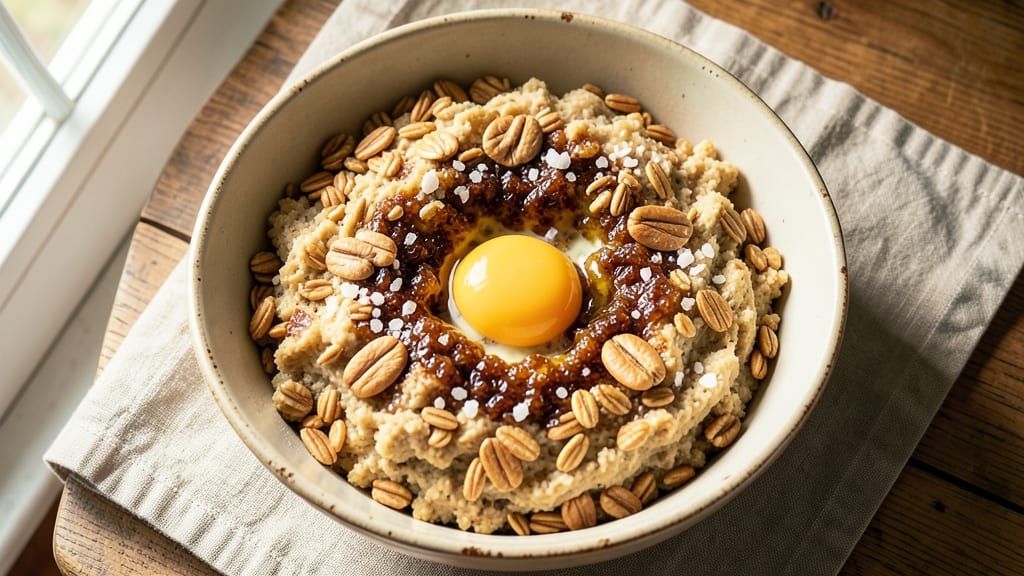
This Quaker oats oatmeal cookie recipe gluten free proves you don’t need traditional flour to achieve perfectly chewy centers and crispy edges. Using Quaker Oats and almond flour, I’ve crafted a recipe that delivers the classic oatmeal cookie experience without compromising texture or flavor.
The secret lies in chilling the dough—this step ensures cookies that spread just enough while staying tender inside.
The beauty of this recipe is its versatility—it’s naturally gluten-free but can easily accommodate vegan diets by swapping butter for coconut oil. Brown sugar and vanilla bean create that signature caramelized sweetness, while cinnamon adds warmth without overpowering.
With just 10 ingredients, this recipe is simple yet impressive enough for holiday baking.
What you’ll end up with is a batch of cookies that’s crunchy on the outside, chewy in the middle, and packed with oats for a satisfying bite.
The aroma of vanilla and cinnamon baking in the oven will fill your kitchen, making it impossible to resist pulling them out early. These cookies stay fresh for days, perfect for gifting or enjoying with your morning coffee.
Whether you’re baking for a dietary restriction or simply love a good oatmeal cookie, this recipe delivers restaurant-quality results at home. The dough is forgiving, and the flavor is unbeatable—no one will guess these are gluten-free. Let’s get baking!
Ingredients for quaker oats oatmeal cookie recipe gluten free
Ten ingredients for cookies that fool everyone—gluten-free, chewy, and packed with oatmeal goodness.
| Ingredient | Amount | Notes |
|---|---|---|
| Quaker Old-Fashioned Rolled Oats 🌾 | 1 ½ cups | Uncooked, not instant |
| Almond Flour 🌰 | 1 ½ cups | Blanched, finely ground |
| Unsalted Butter 🧈 | ¾ cup | Cold, cubed for dough |
| Brown Sugar 🍯 | ¾ cup | Packed, light or dark |
| Granulated Sugar 🍚 | ¼ cup | For balanced sweetness |
| Large Eggs 🥚 | 2 whole | Room temperature |
| Pure Vanilla Extract 🌸 | 2 tsp | Bottled, not imitation |
| Ground Cinnamon 🌿 | 1 ½ tsp | Freshly ground preferred |
| Diamond Crystal Kosher Salt 🧂 | ½ tsp | Fine grain preferred |
| Vanilla Bean Seeds 🌸 | 1 tsp | Scraped from 1 pod |
The almond flour is non-negotiable here—it gives that signature texture without gluten. Bob's Red Mill or Anthony's Goods are my go-tos for quality, but any blanched almond flour works. Quaker Old-Fashioned Rolled Oats are key too—those instant oats won't cut it. The butter? Cold and cubed is everything. If it's melted, chill the dough for 2 hours or freeze it 30 minutes. For the vanilla, bottled extract plus seeds from a split pod takes this from good to restaurant-quality. Skip the imitation stuff—it's not worth it.
No almond flour? Oat flour works in a pinch (blend rolled oats into a fine powder), but texture will be slightly different. Brown sugar substitutes? Coconut sugar at a 1:1 ratio, but it's more expensive. Eggs? Flax eggs (2 tbsp ground flax + 6 tbsp water) work for vegan, but cookies will be denser. The cinnamon can be swapped for pumpkin pie spice if you're feeling festive. And if you're out of vanilla bean seeds, pure Madagascar vanilla extract is the next best thing—just use the full 2 teaspoons.
Dough keeps for 5 days in the fridge wrapped tightly in plastic, or 3 months frozen in a sealed container. Scoop cookies onto parchment-lined sheets—they spread, but not too much. Bake time is key: 10-12 minutes for chewy centers, not a second longer. Let them cool on the pan for 5 minutes before transferring—they'll firm up as they cool. Store in an airtight container with parchment between layers to keep them soft. These freeze beautifully too—just reheat in the oven for 3-5 minutes to revive that fresh-baked aroma.
Why You'll Love This Recipe
- No Mixer Needed: I swear by this recipe when I’m in a rush—just smash the oats and almond flour together with my fingers, then fold in the softened butter. No fancy equipment, no stress, and the texture comes out chewy and perfect every time.
- Chewy Crunch Combo: Between us, the rolled oats add that satisfying bite while the almond flour keeps it rich and tender. The brown sugar caramelizes just enough to give it that warm, buttery depth you’d expect from a classic cookie—but without the guilt.
- Weeknight Meal Prep: I make a double batch on Sundays, and they last for days. The cookies stay fresh in an airtight container, and I’ll grab one cold or warmed with a cup of coffee when I’m running late. Honestly, they’re my secret weapon for lazy mornings.
- Budget-Friendly Luxury: Almond flour might seem pricey, but using just 1 cup stretches the dough further than you’d think. Plus, the oats and butter keep costs low while still delivering that bakery-style taste. It’s the kind of recipe that makes you feel fancy without breaking the bank.
Step-by-step instructions for gluten-free oatmeal cookies
These cookies deliver the perfect balance of chewy centers and crispy edges—all while staying true to gluten-free goodness.
Prepare the Oats for Maximum Texture
Toast the 1.5 cups Quaker Old-Fashioned Rolled Oats in a dry skillet over medium heat for 3-4 minutes, stirring constantly until they turn a rich golden brown and smell deeply nutty. This step enhances their flavor and prevents them from absorbing too much moisture in the dough, which keeps your cookies perfectly chewy.
Let the toasted oats cool completely before using. I like to spread them on a plate and let them sit for 5 minutes—this ensures they're not too hot when you mix them into the dough, which helps maintain the right consistency. If you skip toasting, your cookies will spread more and lack that satisfying crunch.
Cream Butter and Sugars for Lightness
In a stand mixer fitted with the paddle attachment, beat the 0.75 cup Unsalted Butter (cold, cubed) with the 0.75 cup Brown Sugar and 0.25 cup Granulated Sugar on medium speed for 3-4 minutes. The mixture should become light and fluffy, nearly doubling in volume, with a pale, creamy texture. This step incorporates air, which gives your cookies that signature lift and prevents them from turning dense.
Here's the thing—don't rush this step. If the butter isn't fully creamed, your cookies will be cakey instead of chewy. You'll know it's ready when you can see the mixture leave a trail in the bowl and the color lightens noticeably. Scrape down the sides of the bowl once to ensure everything's evenly mixed.
Mix in Wet Ingredients for Binding
Add the 2 whole Large Eggs (room temperature) one at a time, mixing on low speed for 30 seconds after each addition until fully incorporated. Then stir in the 2 tsp Pure Vanilla Extract and 1 tsp Vanilla Bean Seeds, mixing for another 10 seconds just to combine. The vanilla seeds add a subtle depth that bottled extract can't match.
Next, whisk together the 1.5 cups Almond Flour, 1.5 tsp Ground Cinnamon, and 0.5 tsp Diamond Crystal Kosher Salt in a separate bowl. Gently fold this dry mixture into the wet ingredients using a silicone spatula, mixing just until combined. You should still see small flour streaks—overmixing develops gluten, which we're avoiding since these are gluten-free.
Fold in Toasted Oats for Texture
Remove the bowl from the mixer and gently fold in the 1.5 cups toasted oats using a spatula. Be careful not to overmix—just combine until the oats are evenly distributed throughout the dough. The dough will be thick and slightly sticky, which is perfect for these cookies. If it seems too dry, add 1 teaspoon of cold water to help bind it together.
Let the dough rest at room temperature for 15 minutes while you preheat your oven to 350°F. This short rest allows the flour to fully hydrate and the dough to relax slightly, which helps prevent excessive spreading when baking. Don't skip this—it makes a noticeable difference in texture.
Bake to Golden Perfection
Scoop the dough into 2-tablespoon portions (about 1.5 ounces each) and roll them into balls, then place them 3 inches apart on parchment-lined baking sheets. Flatten each ball slightly with your palm—just enough to create a ½-inch thick cookie. Bake for 12-14 minutes until the edges are golden brown and the centers still look slightly underdone.
Here's where it gets tricky: the cookies will continue cooking on the hot pan after you remove them, so pull them out when they look just set. Let them cool on the baking sheet for 5 minutes before transferring to a wire rack. The centers should be soft and chewy, with a crispy edge that gives way to that satisfying crunch. Enjoy them warm for the ultimate experience!
Pro Tips For Making Quaker Oats Oatmeal Cookie Recipe Gluten Free
- Pulse the Oats: I learned this the hard way—chopping rolled oats by hand is a slow, frustrating process. Use a food processor instead, but pulse them in 3-4 second bursts until they’re roughly the size of breadcrumbs. Over-processing turns them into flour, which ruins the texture.
- Toast the Almond Flour: Skip this step, and your cookies will taste flat and mealy. Spread the almond flour on a baking sheet and toast it for 5-7 minutes at 325°F until it smells nutty and deepens in color. It adds richness and prevents a chalky aftertaste—trust me, it’s worth the extra time.
- Chill the Dough: I used to bake these immediately, and they’d spread into sad, flat pancakes. Press the dough into a disc, wrap it in plastic, and refrigerate for at least 1 hour (or up to 24 hours). The cold fat in the butter solidifies, keeping the cookies thick and chewy instead of greasy and collapsed.
- Use Cold Butter: Cut the unsalted butter into small cubes and freeze them for 10 minutes before mixing. When you cream it with the sugars, the cold butter creates pockets that melt into flaky layers during baking. Warm butter? Your cookies will turn out dense and tough—no exceptions.
Flavor customization for this quaker oats oatmeal cookie recipe gluten free
Sweet Variations
For a caramelized twist, replace ½ cup granulated sugar with ½ cup light brown sugar and add 2 tbsp molasses to the dough. The molasses deepens the flavor and adds a subtle smokiness that pairs beautifully with the vanilla.
I’ve also found that adding ¼ cup chopped crystallized ginger creates a spiced sweetness that’s perfect for holiday baking. 🍯
Spiced Up
Swap the cinnamon for 1 tsp pumpkin pie spice or ½ tsp cardamom plus ½ tsp nutmeg for a warm, aromatic profile. If you love warmth, try ½ tsp freshly grated ginger and ¼ tsp cloves—these spices add complexity without overpowering the vanilla.
For a festive touch, add ¼ cup mini chocolate chips or chopped dried cranberries to the dough before baking.
Nutty Enhancements
Fold in ½ cup chopped walnuts or pecans with the toasted oats for added crunch and richness. Toast the nuts first in a dry pan for 3-4 minutes until fragrant—this amplifies their flavor.
For a more decadent option, mix in ¼ cup shredded coconut (unsweetened) along with the oats. Both additions create delightful texture contrasts in every bite.
Citrus Zing
Brighten the flavor profile by adding 1 tbsp lemon zest from an organic lemon (or orange zest) to the dough. The citrus cuts through the sweetness and adds a refreshing note. For extra zing, add 1 tbsp fresh lemon juice along with the vanilla extract.
This works especially well if you’re using a lighter brown sugar—it keeps the cookies from tasting too heavy.
Vegan Adaptations
Replace the butter with 0.75 cup coconut oil (solid, not melted) and use 2 flax eggs (2 tbsp ground flaxseed + 6 tbsp water, mixed and rested for 5 minutes). The texture stays chewy, though slightly denser.
For extra richness, add 1 tbsp maple syrup to the dough. The coconut oil adds a subtle tropical note that pairs surprisingly well with the vanilla and cinnamon.
Seasonal Twists
For autumn, add ½ cup diced apple (tossed in 1 tsp lemon juice to prevent browning) to the dough. The apples soften slightly during baking, adding moisture and a subtle tartness.
In winter, fold in ¼ cup dried cherries and ½ tsp orange zest for a festive holiday cookie. Both variations keep the same chewy texture while adding seasonal flair. 🍎
Nutrition facts
Frequently asked questions
Can I use regular oat flour instead of almond flour?
Yes, but the texture will differ slightly. For a 1:1 substitute, blend 1.5 cups Quaker Old-Fashioned Rolled Oats into a fine powder first. The cookies will be denser and less crumbly, but still delicious. If you prefer a lighter texture, try mixing 1 cup almond flour with ½ cup oat flour for a compromise.
Why do my gluten-free oatmeal cookies spread too much?
This usually happens if the butter isn't cold enough or the dough rests too long before baking. Always use cold cubed butter and chill the dough for 15 minutes (not longer). Scoop portions quickly and flatten them gently—this helps control spreading. If they still spread excessively, try baking at 375°F instead of 350°F for 10-12 minutes.
How do I make these cookies nut-free?
Simply omit the almond flour and replace it with 1.5 cups oat flour (blended from rolled oats). For extra binding, add 1 extra egg or 1 tbsp ground chia seeds mixed with 3 tbsp water (let it sit for 5 minutes to thicken). The texture will be slightly softer but still chewy. Always check your oats for cross-contamination if nut allergies are a concern.
Can I bake these cookies without a mixer?
Use a sturdy bowl and a wooden spoon or fork to cream the butter and sugars. Work the mixture vigorously for 5-7 minutes until light and fluffy. For the eggs, whisk them separately and add one at a time. The dough may be slightly less aerated, but the cookies will still turn out chewy and delicious. Just be extra gentle when folding in the oats.
How do I store these cookies to keep them soft?
Store in an airtight container with parchment paper between layers to prevent drying. They’ll stay fresh for 5-7 days at room temperature. For longer storage, freeze the baked cookies for up to 3 months. To revive, warm in the oven at 300°F for 3-5 minutes or microwave for 10 seconds. Never store them in the fridge—they’ll dry out faster.