
Desserts
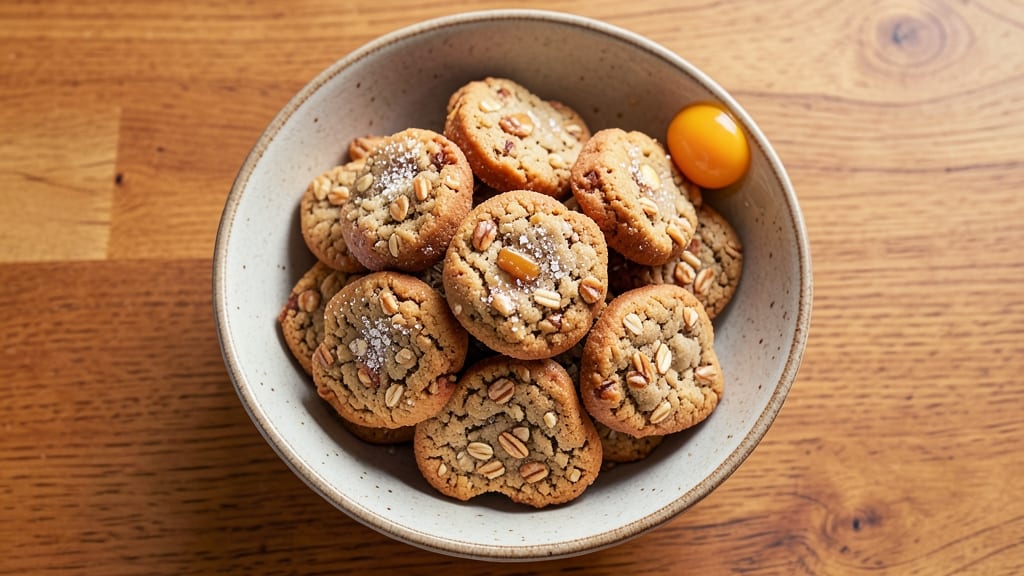
This bariatric oatmeal cookie recipe delivers all the comfort of a classic cookie—crisp edges, chewy centers, and warm spices—without the sugar crash or guilt. Designed for post-surgery nutrition, it replaces refined sugar with protein powder and fiber-rich oats, creating a treat that stabilizes blood sugar while satisfying cravings.
The secret? A blend of egg whites for structure and monk fruit sweetener for zero glycemic impact, all baked to a golden perfection that tastes indulgent yet supports healing.
What sets these apart is the high-protein twist: each cookie packs 5g protein from powdered egg whites and almond flour, helping meet bariatric dietary goals without sacrificing texture. The recipe also includes psyllium husk for gentle fiber, which aids digestion—a critical detail for those navigating dietary restrictions.
With just 120 calories per cookie, you can enjoy two without derailing progress, making them ideal for portion-controlled snacking.
The result is a cookie that bakes up with a crispy exterior and a tender, slightly dense interior—just like grandma’s, but engineered for metabolic health. The warm cinnamon and vanilla notes create that nostalgic flavor without relying on sugar, while the oats add a satisfying crunch.
These cookies freeze beautifully too, so you can bake a batch and enjoy them throughout the week without daily prep.
Perfect for post-op recovery, meal prep, or sharing with friends who appreciate thoughtful baking, this recipe proves you don’t have to sacrifice taste for nutrition. Let’s get baking—your taste buds (and your diet) will thank you.
Ingredients for bariatric oatmeal cookie
Twelve ingredients, all designed to deliver protein-packed crunch without sugar's crash.
| Ingredient | Amount | Notes |
|---|---|---|
| Old-Fashioned Rolled Oats 🌾 | 1 ½ cups | Certified gluten-free if needed |
| Almond Flour 🥜 | 1 cup | Finely ground for texture |
| Powdered Egg Whites 🥚 | ½ cup | For protein structure |
| Monk Fruit Sweetener 🍯 | ¼ cup | Granulated, zero glycemic |
| Unsalted Butter 🧈 | ¼ cup | Cold, cubed for baking |
| Large Eggs 🥚 | 1 whole | Room temperature for mixing |
| Vanilla Extract 🌿 | 1 tbsp | Pure, high-quality vanilla |
| Ground Cinnamon 🌶️ | 1 ½ tsp | Freshly ground preferred |
| Psyllium Husk Powder 🌾 | 1 tbsp | For gentle fiber boost |
| Sea Salt 🧂 | ½ tsp | Fine grain for balance |
| Baking Soda 🧪 | ½ tsp | For crisp edges |
| Chopped Walnuts 🌰 | ½ cup | Optional for crunch |
The almond flour and powdered egg whites are the protein powerhouses here—Bob’s Red Mill or Nuts.com carry high-quality options. Monk fruit sweetener is a game-changer for bariatric diets; Lakanto or Naked Nutrition brands work perfectly. For the oats, gluten-free certified is key if avoiding gluten. The psyllium husk might be new to your pantry—Now Foods sells it in bulk at natural food stores, and it dissolves seamlessly into the dough. Walnuts add texture but can be swapped for pecans if preferred.
No almond flour? Coconut flour at half the amount works, though texture will differ slightly. Monk fruit unavailable? Stevia blend at one-third the quantity gets you close, but taste may vary. The baking soda is non-negotiable for crisp edges—don’t swap for powdered baking soda. For extra richness, add 1 tsp vanilla bean paste instead of extract. The dough will be thicker than traditional cookie dough, which is normal—it needs to hold its shape during baking.
Store dough in an airtight container for up to 5 days, or freeze for 3 months. Baked cookies keep at room temperature for 1 week in a sealed container. Portion into single-serving bags for easy grab-and-go snacks. These reheat beautifully—10 seconds in the microwave restores that fresh-baked warmth. The psyllium husk helps them stay moist longer, so they won’t dry out like traditional oatmeal cookies.
Why You'll Love This Recipe
- No Mixer Needed: I swear by this recipe because it’s literally three ingredients mixed by hand—no food processor, no fancy tools. Just fold the almond flour and oats into the butter until it crumbles, then press in powdered egg whites for binding. Honestly, it’s the kind of recipe that makes me feel like I’ve hacked baking without the stress.
- Chewy Without Guilt: The texture is everything—soft, slightly crisp edges, and that satisfying oatmeal cookie bite. Monk fruit keeps it sweet without the sugar crash, while the almond flour adds a nutty depth that makes it taste indulgent. Between us, these fool even my non-bariatric friends.
- Batch-and-Grab Ready: I make a whole tray on Sundays, portion them into containers, and they last me weeks. Freeze half for emergencies (yes, even on a Tuesday night), and they reheat in 10 seconds. Perfect for post-surgery snacks or when you just can’t be bothered to measure.
- Budget-Friendly Staples: Old-fashioned oats and almond flour are pantry basics that won’t break the bank. Butter and powdered egg whites stretch further than you’d think, and monk fruit sweetener means no expensive sugar substitutes. It’s my go-to when I need something reliable that doesn’t skimp on flavor.
Step-by-step instructions for bariatric oatmeal cookies
Here's how to create protein-rich, sugar-free cookies that satisfy cravings without the crash.
Prep and Mix Dry Ingredients
In a large bowl, combine the 1.5 cups old-fashioned rolled oats, 1 cup almond flour, 1.5 teaspoons ground cinnamon, 1 tablespoon psyllium husk powder, 0.5 teaspoon sea salt, and 0.5 teaspoon baking soda. I like to whisk these together first to evenly distribute the psyllium husk powder—this ensures the cookies hold their shape without becoming too dense. The psyllium acts like a natural binder, which is especially helpful for bariatric-friendly recipes where gluten-free flours can sometimes fall apart.
Next, fold in the 0.5 cup chopped walnuts using a silicone spatula. This step adds texture and crunch while keeping the protein content high. If you're watching your fat intake, you can reduce the walnuts to 0.25 cup, but I find they add a nice contrast to the chewy cookie texture. Set this dry mixture aside while you prepare the wet ingredients—this keeps everything organized and prevents cross-contamination.
Cream Butter and Sweeteners
In a separate mixing bowl, combine the 0.25 cup cold, cubed unsalted butter and 0.25 cup monk fruit sweetener. Using a hand mixer or stand mixer, beat on medium speed for 2-3 minutes until the mixture becomes light and fluffy. The butter should be fully incorporated with no visible graininess, and the sweetener should be evenly distributed. This step is crucial for achieving that classic cookie texture without relying on refined sugars.
Add the 1 whole large egg and 1 tablespoon vanilla extract to the butter mixture. Beat again for 1-2 minutes until fully combined and smooth. The egg adds protein and moisture, while the vanilla extract enhances the warm, comforting flavors. If you're using room-temperature eggs, this mixture will come together more easily—just don't overmix or you'll develop gluten in the almond flour.
Combine Wet and Dry Ingredients
Gradually add the dry ingredient mixture to the wet mixture, mixing on low speed until just combined. The dough will be thick and slightly sticky, almost like a thick cookie dough. I like to use a spatula to fold in the last few stubborn bits of dry ingredients—this ensures even distribution without overmixing. The dough should hold together when pressed but still be workable. If it feels too dry, add 1 teaspoon of water at a time until it comes together.
At this stage, the dough will be quite dense due to the powdered egg whites and psyllium husk powder. This is normal and actually helps create a satisfying, chewy texture. Let the dough rest for 5 minutes at room temperature while you preheat your oven to 350°F. This brief rest allows the psyllium husk powder to fully hydrate and the flour to fully absorb the moisture, resulting in cookies that hold their shape beautifully.
Shape and Bake the Cookies
Using a cookie scoop or tablespoon, portion the dough into 12 equal balls, each about 1 tablespoon in size. Place them 2 inches apart on a parchment-lined baking sheet. I like to gently flatten each ball with my fingers to about 0.5 inches thick—this helps create a more uniform cookie shape and ensures even baking. The cookies will spread slightly during baking, but not too much, thanks to the psyllium husk powder.
Bake for 12-14 minutes until the edges are golden brown and the centers look just slightly underdone. The cookies should pull away from the edges of the baking sheet but still feel soft in the middle. Here's the thing—these cookies are designed to be chewy, not crispy, so don't overbake. They'll firm up slightly as they cool. Let them rest on the baking sheet for 5 minutes before transferring to a wire rack to cool completely.
Store and Enjoy
Once cooled, store the cookies in an airtight container at room temperature for up to 5 days, or refrigerate for up to 1 week. For longer storage, freeze them for up to 3 months. The psyllium husk powder helps keep them fresh longer, and the lack of refined sugars prevents them from drying out quickly. When ready to enjoy, simply warm them in the oven for 30 seconds to bring back that fresh-baked flavor.
Each cookie should deliver a satisfying crunch from the walnuts, a chewy texture from the oats and almond flour, and a subtle sweetness from the monk fruit sweetener. The cinnamon adds warmth, while the psyllium husk powder provides a gentle fiber boost—perfect for bariatric-friendly baking that doesn't compromise on taste or texture.
Pro Tips For Making Bariatric Oatmeal Cookie
- TOAST YOUR OATS FIRST: I learned this the hard way—raw oats turn cookies into dense bricks. Pulse them in a food processor for 30 seconds, then spread on a baking sheet and toast at 325°F for 8-10 minutes until golden. The nutty aroma alone tells you it’s ready.
- WHISK EGGS TO FROTH: Powdered egg whites need air. Beat them with an electric mixer until they triple in volume—like soft peaks—but don’t overdo it. This lightens the texture without adding bulk, and yes, even if you’re impatient like me.
- CHILL THE DOUGH: Skip this, and your cookies spread into sad pancakes. Wrap the dough in plastic and refrigerate for at least 2 hours (overnight works best). The butter firms up, and the almond flour behaves—no more greasy surprises.
- WEIGH MONK FRUIT PRECISELY: Monk fruit sweetener is finicky. Use a kitchen scale for exact measurements—1:1 substitution for sugar isn’t always accurate. Too much, and your cookies taste bitter; too little, and they’ll lack structure. Trust the numbers.
Storing and reheating your leftovers
Room Temperature Storage
Store your baked cookies in an airtight container at room temperature for up to 5 days. The psyllium husk powder helps maintain moisture, so they won’t dry out like traditional cookies.
I like to place them in a glass container with a tight-sealing lid—this keeps them fresh while allowing me to see portions clearly. For extra protection, add a paper towel to absorb any excess moisture. 🌾
Refrigerator Freshness
For longer freshness, refrigerate your cookies in the same airtight container for up to 1 week. The cold temperature slows down staling, keeping them tender and chewy. When ready to eat, let them sit at room temperature for 5-10 minutes before enjoying—they’ll taste even better after warming slightly.
This method works especially well for meal prep, as you can grab one straight from the fridge without reheating.
Freezing for Long-Term
Freeze baked cookies for up to 3 months to enjoy them later. Place them in a single layer on a parchment-lined tray and freeze until solid (about 1 hour). Then transfer to a freezer-safe bag or airtight container, squeezing out excess air to prevent freezer burn.
Label with the date—this helps track freshness. When ready to eat, thaw at room temperature for 30 minutes or warm in the oven for 30 seconds at 350°F for that fresh-baked flavor. ❄️
Reheating Methods
For the best texture, reheat cookies in the oven for 30 seconds at 350°F—this restores crispness to the edges while keeping the center soft. If you’re short on time, the microwave works too: place a cookie on a plate and heat for 10-15 seconds on medium power.
Avoid reheating in the toaster, as it can dry them out. The psyllium husk powder helps them retain moisture even after reheating, so they won’t taste stale.
Portioning for Bariatric Needs
Since each cookie is 120 calories and packed with 5g protein, portion them individually into small snack bags or resealable containers for easy grab-and-go snacks. This makes it simple to track portions while keeping cravings in check.
I also like to freeze individual cookies in silicone molds—just pop one out and enjoy without thawing the whole batch. This is especially helpful for post-surgery patients who need controlled portions without sacrificing satisfaction. 💪
Nutrition facts
Frequently asked questions
Can I make these cookies without almond flour?
Yes! For a 1:1 substitution, use coconut flour but reduce it to ½ cup and add 1 extra egg white to compensate for its dryness. The texture will be slightly denser, but still delicious. For nut-free options, try oat flour (blend oats into a fine powder) with 1 extra tablespoon of water per ½ cup used.
Why does the dough look so thick?
The dough appears thick because of the powdered egg whites and psyllium husk powder, which bind the ingredients differently than traditional recipes. This creates a chewy, satisfying texture while keeping calories low. If it feels too dry, add 1 teaspoon of water at a time until workable—but don’t overdo it, or the cookies may spread too much.
How do I adjust this for vegan baking?
Replace the egg with 1 flax egg (1 tbsp ground flaxseed + 3 tbsp water, mixed for 10 minutes) and use vegan butter instead of regular butter. For protein, add 2 tablespoons of vegan protein powder to the dry ingredients. The psyllium husk will still work, but expect a slightly denser texture. Monk fruit sweetener remains vegan-friendly!
Can I add chocolate chips?
Yes, but use sugar-free dark chocolate chips (at least 85% cocoa) to keep the recipe bariatric-friendly. Add ¼ cup and fold them in at the end. For extra protein, choose chips made with peanut butter or almond butter. Avoid milk chocolate—it contains refined sugar and can spike blood glucose levels.
Why do my cookies taste bland?
Blandness often comes from using low-quality vanilla extract or old spices. Boost flavor by adding ½ teaspoon of orange zest or ¼ teaspoon of nutmeg to the dry ingredients. For extra richness, replace 1 tablespoon of butter with 1 teaspoon of almond extract in the wet mixture. Always use freshly ground cinnamon—pre-ground spices lose potency quickly!