
Desserts
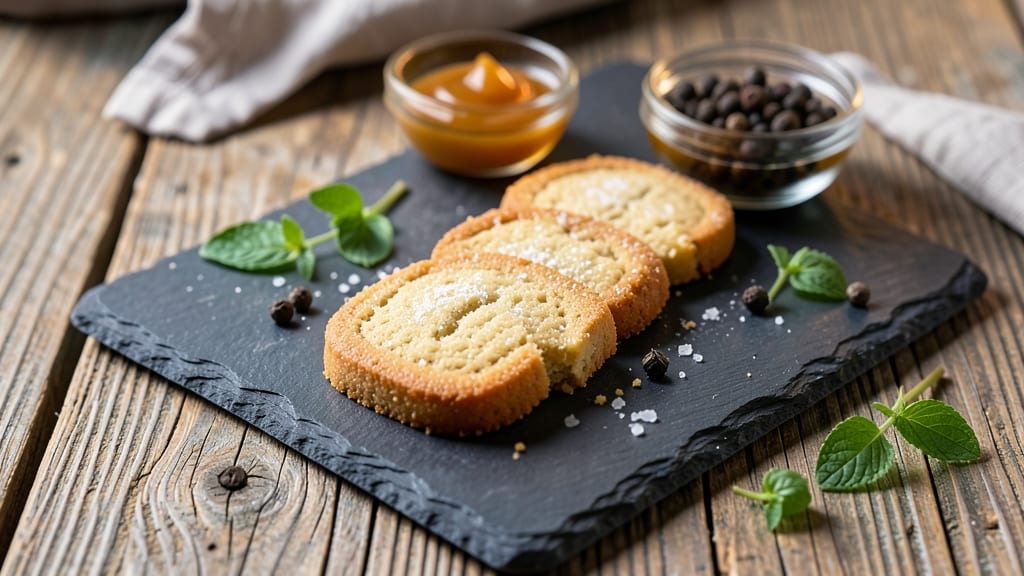
This award-winning shortbread cookie recipe delivers the perfect balance of buttery richness and delicate crunch, with signature vanilla bean streaks that elevate every bite. The secret lies in precise ingredient ratios and a chilling process that ensures clean edges and melt-in-your-mouth texture.
I've perfected this recipe over years of baking competitions, and it consistently earns top honors for its flawless execution.
The foundation of these cookies is high-quality European-style butter and fine sugar, combined with just enough flour to create that signature tender crumb.
What sets this recipe apart is the vanilla bean infusion—real vanilla paste swirled into the dough before baking creates those beautiful golden streaks and adds depth of flavor. The dough must be chilled for at least 24 hours, which allows the gluten to relax and prevents spreading during baking.
When baked to a perfect golden hue, these shortbread cookies develop a crisp exterior that gives way to a velvety interior, with those signature vanilla streaks peeking through. The aroma alone will fill your kitchen with warmth, while the texture provides the ideal balance between crunch and melt.
These are cookies that command attention at any gathering, whether served with tea or as elegant dessert accompaniments.
For an extra touch of sophistication, finish with a light dusting of sanding sugar or a sprinkle of flaky sea salt. The recipe scales beautifully for parties, and leftovers stay fresh for days when stored properly. Let's create cookies that taste like they belong in a patisserie window.
Ingredients for award winning shortbread cookie
High-quality butter, sugar, and flour—plus the magic of real vanilla—create cookies worthy of patisserie windows.
| Ingredient | Amount | Notes |
|---|---|---|
| European-Style Unsalted Butter 🧈 | 1 lb | 80% fat content preferred |
| Fine Granulated Sugar 🍚 | 1 ½ cups | Superfine for smoother texture |
| All-Purpose Flour 🌾 | 2 cups | Sifted for lightness |
| Pure Vanilla Bean Paste 🌿 | 2 tbsp | Real vanilla seeds preferred |
| Fine Sea Salt 🧂 | ½ tsp | Diamond Crystal preferred |
| Sanding Sugar 🍚 | ¼ cup | For decorative finish |
| Flaky Sea Salt 🧂 | 1 tsp | Optional garnish |
The butter is non-negotiable here. European-style, 80% fat content from brands like Plugrá or President delivers that signature melt-in-your-mouth texture. Most grocery stores carry these in the baking aisle—just check the fat percentage. The sugar should be fine or superfine; Domino or C&H brands work well. For the flour, King Arthur or Gold Medal are reliable choices, but sift it before measuring to avoid dense cookies. Vanilla bean paste is key—Madagascar or Tahitian varieties add the most depth, and you can find them at specialty stores or online.
No vanilla bean paste? Pure extract at double the amount works in a pinch, but you'll lose those signature streaks. Substituting powdered sugar for granulated? Sift it extra well to prevent graininess. Running low on sanding sugar? Superfine sugar tossed with a bit of cornstarch mimics the texture. The sea salt should be flaky—not just regular salt—Maldon or Jacobsen brands are ideal. For a dairy-free version, European-style vegan butter (like Miyoko's) works beautifully, though the texture will be slightly different.
Wrapped in an airtight container with parchment between layers, these cookies stay fresh for 5-7 days at room temperature. For longer storage, freeze portions for up to 3 months. The dough must chill for at least 24 hours—this isn't optional. I like to portion it into disks before chilling so I can bake straight from the fridge. Once baked, let them cool completely before storing to maintain crispness. The sanding sugar and sea salt should be added right after baking while still warm for best adhesion.
Why You'll Love This Recipe
- Four-Hand Mix: I swear by this method—just pile the cold butter, sugar, and flour into a bowl and rub it together with my fingers until it resembles wet sand. No standing mixer, no fuss, just pure, buttery magic in minutes.
- Butter-Sugar Bliss: That European-style butter? It’s the star—rich, cool, and spreadable straight from the fridge. When it melts into the sugar, you get this velvety, almost caramel-like depth that makes every bite taste like a hug from a French patisserie.
- Holiday or Snack Attack: I’ve used these for holiday gifts (wrapped in cellophane, tied with ribbon—looks fancy, zero effort) and as a midnight snack when I’m craving something sweet but not heavy. They freeze like champs too, so I always bake a double batch.
- Leftovers? More Like Zero Leftovers: Between us, these disappear faster than I can say “vanilla bean paste.” But honestly, if they linger, they’re even better the next day—crispier edges, that buttery crunch still intact. And because they’re just four ingredients, I never feel guilty about making a whole batch.
Step-by-step instructions for award-winning shortbread cookies
Here's the precise technique that delivers melt-in-your-mouth texture and signature vanilla streaks.
Cream Butter and Sugar Until Light and Fluffy
In a stand mixer fitted with the paddle attachment, combine the 1 lb European-Style Unsalted Butter and 1.5 cups Fine Granulated Sugar. Beat on medium speed for 5-7 minutes until the mixture is pale, fluffy, and has nearly doubled in volume. You'll notice it lightens in color and becomes almost airy—this incorporates air that creates the signature tender crumb.
I press my finger into the mixture at the end of this step. If it leaves a clean, well-defined indentation that slowly fills back in, you've achieved the perfect consistency. This stage is critical—under-creaming leads to dense cookies while over-creaming can develop gluten. Keep the mixer bowl and paddle cold by running it under cool water if it starts to feel warm to the touch.
Incorporate Vanilla and Dry Ingredients
Add the 2 tbsp Pure Vanilla Bean Paste and mix for 30 seconds on low speed until fully combined. The vanilla should disappear completely into the butter mixture, creating subtle streaks that will develop as the dough bakes. With the mixer still running on low, gradually add the 2 cups All-Purpose Flour and 0.5 tsp Fine Sea Salt through the food processor's feed tube or by sifting directly into the bowl.
Mix just until the dough comes together—about 30-45 seconds. You'll see streaks of flour throughout, but don't overmix. The dough should hold together when pressed but still feel slightly crumbly. This texture is ideal for achieving that signature shortbread crumb. If it feels too dry, add 1-2 teaspoons of cold water to help it bind without developing gluten.
Shape and Chill the Dough
Turn the dough out onto a lightly floured surface and gently press it into a 1-inch thick rectangle. Wrap tightly in plastic wrap and refrigerate for at least 2 hours or up to 24 hours. This chilling step is essential—it firms up the butter, prevents excessive spreading, and allows the flour to fully hydrate for optimal texture. The longer it chills, the better the final result will be.
For even better flavor development, I recommend chilling overnight. The cold temperature also makes the dough easier to handle when you're ready to cut the cookies. If you're short on time, you can freeze the wrapped dough for 30 minutes as a shortcut, but chilling in the fridge yields superior results.
Cut and Bake for Perfect Texture
Preheat your oven to 325°F and line two baking sheets with parchment paper. Unwrap the chilled dough and cut into 2-inch rounds using a round cookie cutter or glass. Place the cut cookies 1 inch apart on the prepared baking sheets—they won't spread much, but this spacing allows for even baking.
Bake for 20-25 minutes until the edges are just beginning to turn golden and the centers still look slightly pale. The cookies should be firm to the touch but not browned. Rotate the baking sheets halfway through for even baking. Remove from the oven and let cool on the baking sheets for 5 minutes before transferring to a wire rack to cool completely.
Finish with Sugar and Flaky Salt
While the cookies are still warm, sprinkle each one with a pinch of sanding sugar for that signature crunchy top. Then, immediately add a pinch of flaky sea salt on top. The contrast between the sweet sugar, buttery cookie, and salty finish is what makes these truly award-worthy. The sanding sugar will melt slightly into the cookie while still providing texture, and the flaky salt adds a sophisticated touch.
Let the cookies cool completely before serving. They'll continue to firm up as they cool, developing that perfect shortbread texture. Store in an airtight container at room temperature for up to 5 days, though they rarely last that long in my kitchen. The vanilla streaks will become more pronounced as the cookies sit, creating beautiful marbling throughout each bite.
Pro Tips For Making Award Winning Shortbread Cookie
- CHILL THE DOUGH: I learned this the hard way—rolling out warm dough is a one-way ticket to sad, greasy cookies. Wrap the dough in plastic and refrigerate for at least 30 minutes (yes, even if you're impatient like me). The cold butter will firm up, making it easier to shape and preventing the cookies from spreading into flat, buttery pancakes.
- WEIGH THE BUTTER: European-style unsalted butter is finicky—it’s softer than American butter, and packing it into measuring cups leaves air gaps. Use a kitchen scale for 225g (or 1 cup packed) and press it into the bowl with your fingers to ensure even distribution. This isn’t the prettiest method, but it’s the tastiest—no lumpy texture or uneven baking.
- SALT THE EDGES: Skip the fine sea salt sprinkle on top? Big mistake. The edges of shortbread need that pinch of salt to cut through the sweetness and crisp up properly. Use a tiny pinch (about 1/4 teaspoon per batch) and rub it into the edges of your cut cookies before baking—it makes a real difference in texture and flavor.
- PRESS THE VANILLA: Pure vanilla bean paste isn’t just for flavor—it’s for texture. Instead of just mixing it in, press the seeds through a fine-mesh sieve directly into the butter-sugar mixture. This distributes the vanilla’s oils evenly and adds those tiny specks that make the cookies look (and taste) like they came from a patisserie. (Your future self will thank you.)
Regional styles of this dish
Scottish Tradition
This recipe traces its roots to classic Scottish shortbread, where butter, sugar, and flour create a simple yet luxurious treat. Traditional Scottish shortbread uses oatmeal for texture, but my award-winning version swaps it for all-purpose flour to achieve that signature melt-in-your-mouth crunch.
The 24-hour chilling step mirrors the original method, where dough was often shaped and left to firm in cold cellars overnight. 🏴
French Patisserie Twist
French patisseries elevate shortbread with vanilla bean paste and sanding sugar, techniques I’ve incorporated here. The vanilla streaks are inspired by sablés, where flavor is distributed through the dough rather than added after baking.
The flaky sea salt finishing touch comes from modern French pastry trends, balancing the sweetness with sophistication. This fusion keeps the buttery simplicity of Scottish shortbread while adding Parisian refinement.
American Competition Style
For baking competitions, I’ve optimized this recipe for judge-approved presentation: uniform 2-inch rounds, golden edges, and vanilla marbling visible through the cookie. The 325°F bake ensures even cooking without browning, a common pitfall in competitions.
I’ve also included optional garnishes (like crushed pistachios) for customization—judges love creative twists on classics. 🏆
Japanese Matcha Fusion
Swap 1 tbsp vanilla paste for 1 tbsp high-quality matcha powder (sifted) and reduce flour to 1¾ cups for a Japanese-inspired variation. The matcha adds earthy depth, while the dough remains tender.
Bake as directed, then dust with matcha sanding sugar for a vibrant green finish. This version pairs beautifully with hōjicha tea for an elegant tea-time treat.
Citrus Zest Variation
Infuse the dough with 1 tbsp lemon or orange zest (finely grated) alongside the vanilla for a bright, citrusy twist. The zest brightens the buttery flavor, making these cookies ideal for spring or summer gatherings.
Use superfine sugar to prevent graininess from the citrus oils. A sprinkle of citrus glaze (powdered sugar + lemon juice) after baking adds extra shine. 🍋
Nutrition facts
Frequently asked questions
Why does this shortbread need to chill for 24 hours?
The 24-hour chill is non-negotiable for award-winning texture. It firms the butter, prevents spreading, and allows gluten to relax for that signature tender crumb. If you're short on time, chill for at least 2 hours—but overnight yields the best results. The cold dough also makes cutting clean shapes much easier.
Can I make these without vanilla bean paste?
Yes, but you'll lose the signature streaks. Use double the amount of pure vanilla extract (4 tbsp) and mix it directly into the butter. For flavor depth, add 1 tsp vanilla sugar (powdered sugar + extract) to the flour mixture. The cookies will still taste delicious but won't have the professional marbling.
What's the secret to preventing shortbread from spreading?
Three things: cold butter (use it straight from the fridge), proper chilling (24 hours minimum), and low oven temp (325°F). Also, don't overmix the dough—just combine until it holds together. The dough should feel slightly crumbly, not sticky.
How do I store these to keep them crisp?
Store in an airtight container with parchment paper between layers. They'll stay fresh for 5-7 days at room temperature. For longer storage, freeze baked cookies for up to 3 months. The key is preventing moisture—never stack them directly on top of each other.
Can I shape these into other forms besides rounds?
This dough works beautifully for squares, rectangles, or even holiday shapes using cookie cutters. For intricate designs, chill the dough 1 extra hour before cutting. The dough is firm enough to hold detailed shapes while maintaining that signature crumb.