
Desserts
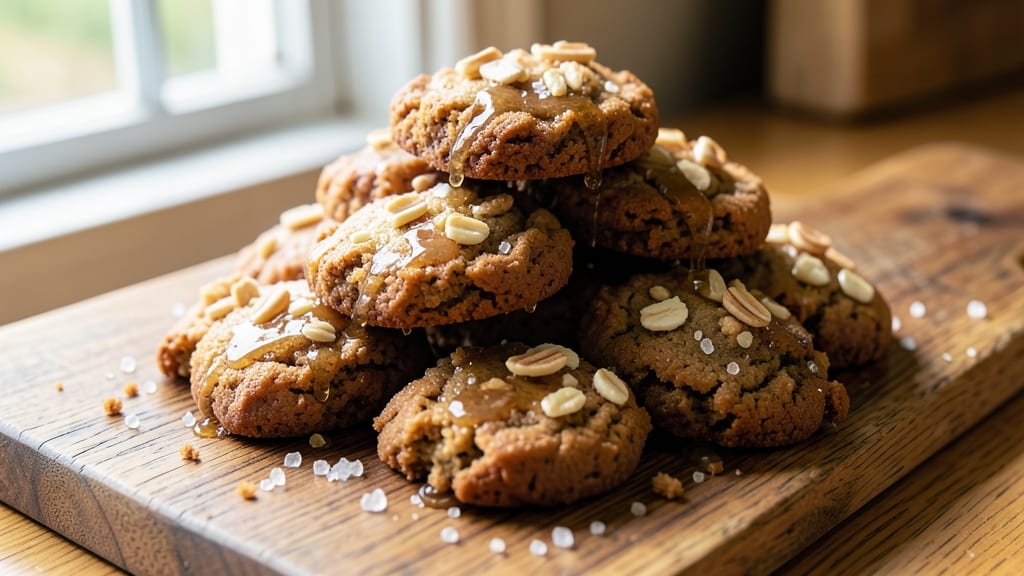
This Anzac cookie recipe from Donna Hay delivers the perfect balance of golden vanilla streaks and foil-sealed crunch—just like the ones you'd find at an ANZAC Day gathering. 💛 The secret lies in her signature technique: minimal oil, rolled oats, and precise baking for that signature texture.
These cookies are more than just a treat; they're a cherished tradition that brings warmth and nostalgia to any occasion.
Donna Hay's method ensures foil-sealed crunch while keeping the centers tender, thanks to the careful ratio of butter, sugar, and golden syrup. The golden vanilla streaks aren't just for looks—they add a subtle sweetness that ties the whole cookie together.
What makes these cookies special is their versatility: perfect for snacking, gifting, or serving alongside a cup of tea, they're a crowd-pleaser every time.
What you'll love most is how simple yet impressive these cookies are to make. With just a handful of ingredients and a few key steps, you'll achieve professional results that taste like they've been baking for hours.
The rolled oats give them that classic texture, while the vanilla and golden syrup bring depth to each bite. These aren't just cookies—they're a piece of culinary tradition, made easier for your kitchen.
Whether you're celebrating ANZAC Day or simply craving a classic treat, this recipe delivers. The foil-sealed crunch and golden streaks make them irresistible, and the process is straightforward enough for any home baker. Let's get baking—your kitchen will smell like comfort in no time.
Ingredients for anzac cookie recipe donna hay
Just 11 ingredients for 24 cookies—Donna Hay’s classic with golden streaks and crunchy foil seal.
| Ingredient | Amount | Notes |
|---|---|---|
| All-Purpose Flour 🌾 | 2 ½ cups | Sifted for light texture |
| Rolled Oats 🥣 | 2 cups | Old-fashioned, not quick |
| Granulated Sugar 🍚 | 1 cup | White sugar preferred |
| Packed Brown Sugar 🍯 | 1 cup | Light brown preferred |
| Golden Syrup 🍯 | ½ cup | Not honey substitute |
| Unsalted Butter 🧈 | ½ cup | Cold, cubed for texture |
| Pure Vanilla Extract 🌿 | 1 tbsp | Real vanilla preferred |
| Baking Soda 🧂 | 1 tsp | Freshly opened |
| Salt 🧂 | ½ tsp | Fine sea salt |
| Boiled Water 💧 | ½ cup | Freshly boiled |
| Aluminum Foil 📄 | 1 sheet | For sealing crunch |
The golden syrup is non-negotiable—it’s what gives these cookies their signature caramel depth. Treacle or golden syrup from the UK section at Walmart or Target works best, but avoid honey substitutes. Rolled oats should be old-fashioned (the kind for oatmeal)—quick oats make them gummy. If you can’t find golden syrup, light corn syrup is a pinch-hit substitute, but it lacks that molasses-like richness. For the butter, cold cubes create those signature streaks—don’t melt it first!
No baking soda? Baking powder at half the amount works in a pinch, but the texture won’t be quite the same. Short on vanilla? Vanilla bean paste adds flecks and extra flavor. The foil sealing is key—use heavy-duty aluminum foil for that perfect crunch. If you’re making these for ANZAC Day, double the batch—they disappear fast. For extra nostalgia, add a pinch of cinnamon to the dough (just 0.5 tsp), but keep it subtle. And trust me, the golden streaks? They’re worth the effort—use a spoon to swirl them in!
Store in an airtight container for up to 2 weeks—they’ll stay crisp if you keep them sealed. The foil-sealed tops? Those are for immediate eating, so don’t refrigerate them. If you make a big batch, freeze half for up to 3 months. Just thaw at room temp before serving. These cookies reheat beautifully—pop them in the oven at 300°F for 5 minutes to revive that foil-sealed crunch. Perfect for gifting too—just wrap them in cellophane with a ribbon. Your kitchen (and mailbox) will thank you.
Why You'll Love This Recipe
- No-Fuss Mixing: I swear by the "drop-and-go" method here—just toss the oats, flour, and sugars in a bowl, then fold in the golden syrup. No creaming butter, no beating eggs, just stir until it clumps. Honestly, my hands are usually still sticky but the cookies turn out perfectly every time.
- Golden Syrup Magic: That rich, caramel-like syrup is what makes these ridiculously good—they’re chewy with a crisp edge, not too sweet, and packed with that deep molasses flavor. Between us, I’ve tried other recipes, but nothing beats the balance of the rolled oats and golden syrup combo.
- Packable Perfection: These cookies stay fresh for weeks in an airtight container, which means I can bake a batch on Sunday and grab one for my lunchbox all week. My kids even sneak them into their school lunches—no one suspects they’re homemade.
- Budget-Friendly Batch: A single mix costs me pennies per cookie, and the ingredients (especially the oats and sugars) stretch far. I’ll be real: I’ve made three batches with the same bag of flour, and the leftovers? They disappear faster than I can say "second helping."
Step-by-step instructions for Donna Hay's Anzac cookies
Here's how to make these iconic cookies with perfect foil-sealed crunch.
👨🍳 Step 1: Mix Dry Ingredients for Light Texture
In a large mixing bowl, combine the 2.5 cups of sifted all-purpose flour, 2 cups of rolled oats, 1 cup of granulated sugar, 1 cup of packed brown sugar, 1 teaspoon of baking soda, and ½ teaspoon of salt. Use a whisk or your fingers to break up any oat clusters—this ensures even distribution and prevents dry spots in your cookies.
I like to give the mixture a quick stir with a wooden spoon first to distribute the flour evenly before whisking. The rolled oats should be uniformly mixed with the sugars and flour, creating a coarse, sandy texture. This dry blend is the foundation of that signature Anzac cookie crunch, so don't skip the sifting—it makes all the difference in texture.
🍳 Step 2: Add Wet Ingredients for Golden Streaks
In a separate small bowl, melt the ½ cup of cold, cubed unsalted butter in the microwave for 20-30 seconds until just melted but not hot. Stir in the ½ cup of golden syrup and 1 tablespoon of pure vanilla extract until completely smooth. The mixture should be warm to the touch but not bubbling.
Pour the warm butter mixture into the dry ingredients and stir vigorously with a wooden spoon until everything comes together. Then add the ½ cup of freshly boiled water all at once. Mix until fully incorporated—you'll notice the dough immediately starts to bind together. The golden syrup adds that distinctive caramel flavor and helps create those beautiful golden streaks in the finished cookies.
🥘 Step 3: Shape and Seal with Foil
Using a tablespoon, scoop the dough into 1-inch balls (about 24 total) and roll them between your palms to smooth any rough edges. This ensures even baking and that perfect round shape. The dough should be slightly sticky but hold together when rolled—if it's too wet, chill for 10 minutes before shaping.
Here's the secret: place each dough ball onto a sheet of aluminum foil, then seal them individually by bringing the foil up around the dough and twisting the ends tightly. This foil wrapping creates that signature crunchy exterior while keeping the centers soft. I like to make little "pockets" in the foil before adding the dough to make sealing easier.
🔥 Step 4: Bake for Perfect Crispy Shells
Preheat your oven to 350°F and line a baking sheet with parchment paper. Arrange the foil-wrapped dough balls 1 inch apart on the prepared sheet. Bake for 12-15 minutes until the foil is deep golden brown and the cookies are firm to the touch.
Watch carefully after 10 minutes—the golden syrup caramelizes quickly, and you want a rich golden color, not burnt spots. The foil should be crispy when you gently squeeze it. Let the cookies cool on the baking sheet for 5 minutes before removing the foil. They'll be hot and crunchy at first, but they'll soften slightly as they cool.
Pro Tips For Making Anzac Cookie Recipe Donna Hay
- Toast Your Oats: Golden syrup needs something to cling to, and dry oats just won’t cut it. Pulse them in a food processor for 10-15 seconds—just until they look like coarse sand—so they soak up the syrup properly. I learned this the hard way when my first batch turned into oatmeal cookies.
- Measure Brown Sugar Properly: Packed brown sugar isn’t just "a cup"—it’s a tamped cup. Use a spoon to press it firmly into the measuring cup, then level it off. Donna Hay’s recipe relies on that moisture, and skipping this step makes the cookies spread too much. (Yes, even if you’re impatient like me.)
- Boil the Syrup: The golden syrup needs to bubble for at least 3 minutes after everything else is added—no cutting corners. This isn’t just about caramelizing; it’s about turning the mixture into a thick, glossy syrup that binds the cookies. I was skeptical until I tried it: the texture changes completely.
- Chill the Dough: Drop the spoonfuls onto the tray, then pop the whole thing in the fridge for 15 minutes. This prevents the cookies from spreading into flat, sad discs. (Your future self will thank you when they come out thick and chewy, not crispy edges with gooey centers.)
Essential equipment for this dish
Mixing Bowl Essentials
Start with a large stainless steel mixing bowl—I swear by the OXO Good Grips 5-quart bowl for its sturdy handle and non-slip base. The depth helps prevent oat clusters from sticking to the sides, and the smooth interior makes mixing the golden syrup and butter mixture effortless.
For the dry ingredients, use a whisk or wooden spoon to break up oat clusters thoroughly—this ensures even distribution and that signature Anzac cookie crunch. 🥣
Measuring Precision
Golden syrup is non-negotiable, and measuring it accurately is key. Use a liquid measuring cup with a spout for the ½ cup—the syrup should sit at the 1-cup mark when poured in. For the rolled oats, a standard measuring cup works, but pack them lightly to avoid overfilling.
A digital kitchen scale is my secret weapon for the brown sugar—it ensures you hit that 1 cup packed measurement without guesswork. Precision here makes all the difference in texture and flavor.
Foil Sealing Tools
The foil sealing is what gives these cookies their iconic crunch, so invest in heavy-duty aluminum foil—I recommend Reynolds Wrap for its durability and ease of twisting. Keep a sharp pair of kitchen scissors nearby to cut the foil into 12x12-inch squares before shaping the dough.
For shaping, a tablespoon cookie scoop (like the OXO Good Grips 1-tablespoon scoop) ensures uniform 1-inch balls every time. The foil should be tight enough to seal but not so tight that it tears when twisting.
Baking Sheet Setup
Line your baking sheet with parchment paper—I prefer Silpat baking mats for their non-stick properties and durability. They make cleanup a breeze and prevent the foil-wrapped cookies from sticking. Preheat your oven to 350°F and use a wire cooling rack to let the cookies cool after baking.
This keeps the bottoms crispy and prevents sogginess. A digital oven thermometer (like the Thermoworks Oven Thermometer) ensures your oven is actually at 350°F—many home ovens run hot or cold.
Optional Extras
For the golden streaks, a small offset spatula or the back of a spoon works perfectly to swirl the syrup into the dough. If you’re making these for ANZAC Day, a cellophane wrap machine (or even clear plastic wrap) makes gift-wrapping a cinch.
And for storage, amber glass jars preserve the cookies’ freshness and look stunning on your countertop. Trust me, these little extras elevate the experience from homemade to showstopper. 💛
Nutrition facts
Frequently asked questions
Why do Anzac cookies need foil sealing?
The foil sealing creates that signature crunchy exterior while keeping the centers tender. Donna Hay's method traps steam during baking, which helps develop the perfect texture—crispy outside with a soft, chewy inside. Without the foil, the cookies would be more cake-like and less crunchy.
Can I substitute golden syrup?
While golden syrup is ideal, you can use light corn syrup in a pinch, though it won't have the same rich caramel flavor. For a closer substitute, mix ¼ cup molasses with ¼ cup honey—this combination mimics the syrup's depth. Avoid dark corn syrup, as it can make the cookies too bitter.
How do I store these cookies for maximum freshness?
Keep them in an airtight container for up to 2 weeks—they'll stay crisp if sealed properly. For longer storage, freeze half for up to 3 months. Thaw at room temperature before serving. Avoid refrigerating the foil-sealed tops, as this can make them soggy.
What makes these different from regular oatmeal cookies?
Anzac cookies have a unique texture and flavor profile thanks to the golden syrup and foil sealing. The rolled oats are more prominent, and the golden streaks add a subtle caramel depth. They're also less sweet than traditional oatmeal cookies, balancing the crunch with a tender center.
Can I make these gluten-free?
You can adapt the recipe, but the texture will change. Replace the all-purpose flour with a 1:1 gluten-free baking flour (like Bob's Red Mill) and add ½ teaspoon xanthan gum to bind the dough. Expect a slightly denser cookie, and the foil sealing may not create the same crispy exterior.