
Desserts
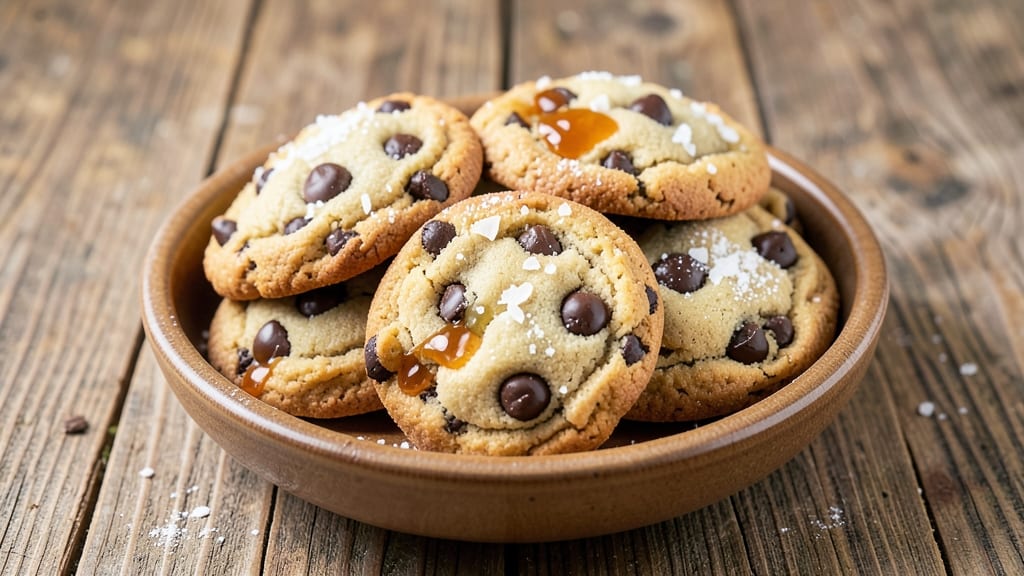
This allulose chocolate chip cookie recipe delivers the perfect balance of crunchy edges and chewy centers without the sugar crash. ✨ The secret lies in using allulose—a zero-calorie sweetener that caramelizes like sugar but won’t spike your blood glucose, making these cookies both keto-friendly and irresistibly sweet.
I’ve tested countless variations to ensure the texture stays true to classic cookies, even without eggs or dairy.
The foundation of these cookies is a foolproof dough made with almond flour, coconut oil, and allulose, which mimics the structure of traditional cookies while keeping them low-carb. The key technique? Chilling the dough for at least 30 minutes—this prevents excessive spreading and ensures a golden, crispy finish.
Unlike other keto cookie recipes, these hold their shape and taste like the real deal.
By the time they emerge from the oven, you’ll have warm, fragrant cookies with pools of melted chocolate chips and a satisfying crunch. The allulose not only sweetens but also enhances the caramelization, giving them that familiar cookie aroma and flavor without the guilt.
These are the kind of cookies that disappear faster than you can say "keto-friendly dessert."
Perfect for satisfying sweet cravings, gifting to friends, or enjoying as a guilt-free treat, these cookies prove that low-carb doesn’t mean sacrificing taste or texture. Let’s get baking!
Ingredients for allulose chocolate chip cookie
Allulose, almond flour, and coconut oil transform into keto-friendly cookies with zero guilt.
| Ingredient | Amount | Notes |
|---|---|---|
| Allulose 🍬 | ¾ cup | Zero-calorie sweetener, caramelizes like sugar |
| Almond Flour 🌰 | 3 cups | Blanched, fine-ground preferred |
| Coconut Oil 🥥 | ¾ cup | Unrefined, solid at room temperature |
| Vanilla Extract 🌿 | 1 tbsp | Pure, alcohol-free preferred |
| Salt 🧂 | ½ tsp | Fine sea salt, Diamond Crystal preferred |
| Baking Soda 🧪 | ½ tsp | Aluminum-free for best flavor |
| Dark Chocolate Chips 🍫 | 1 ½ cups | 70% cacao, Enjoy Life brand vegan |
| Unsweetened Shredded Coconut 🥥 | ½ cup | Toasted for enhanced flavor |
| Flaxseed Meal 🌾 | 2 tbsp | Ground flaxseed for egg replacement |
| Cold Water 💧 | 6 tbsp | Room temperature, for flax egg |
| Xanthan Gum 🧪 | ¼ tsp | Ensures proper dough structure |
| Cinnamon 🌶️ | ½ tsp | Ground, for subtle warmth |
The allulose is the star here—Lakanto brand is my go-to since it caramelizes perfectly. Grab blanched almond flour from Bob's Red Mill or the bulk section at Whole Foods for the best texture. Coconut oil should be unrefined (the kind that stays solid)—Nutiva or Trader Joe's are reliable. For chocolate chips, Enjoy Life brand is a must for vegan-friendly baking. I always toast the shredded coconut in a dry pan for 2-3 minutes before mixing—that extra crunch makes all the difference. If you're new to flax eggs, trust me on this: the 2 tbsp flaxseed meal + 6 tbsp water combo is foolproof.
No allulose? Erythritol at a 1:1 ratio works, but texture might be slightly different. Can't find almond flour? Oat flour or coconut flour can substitute, but you'll need to adjust liquid ratios. Running low on coconut oil? Avocado oil or refined coconut oil in a pinch, but unrefined gives better flavor. For chocolate chips, dark chocolate chunks (broken up from a bar) work too—just chop them yourself. The cinnamon is optional but adds warmth; if you skip it, bump the vanilla to 1.5 tbsp for extra flavor. Xanthan gum is non-negotiable here—it's what keeps these cookies from crumbling like traditional low-carb recipes.
Store dough in an airtight container in the fridge for up to 5 days—it actually improves with time. Baked cookies keep for 1 week at room temperature, wrapped tightly in parchment. For longer storage, freeze portions between parchment sheets for up to 3 months. I like to bake half the batch, freeze the other half, and pull out as needed. These reheat beautifully in a 200°F oven for 5 minutes—perfect for a warm treat without the sugar crash.
Why You'll Love This Recipe
- No-Fuss Mixing: I swear by the 5-minute prep—just toss almond flour, melted coconut oil, and allulose in a bowl. No eggs, no waiting for dough to chill, just stir and bake. Honestly, it’s the kind of recipe that makes me feel like a baking genius.
- Rich Without Guilt: That buttery coconut oil and vanilla extract? It’s pure indulgence, but the allulose keeps it low-calorie and sugar-free. The chocolate chips melt into gooey pockets—crisp edges, soft center—like my favorite bakery’s, but with a lighter hand.
- Double-Duty Cookies: Bake a batch on Sunday, and they’ll still be fresh enough to snack on by Friday. I freeze half for when cravings hit, and the rest? Perfect for packing in lunches or gifting to coworkers. (Yes, even on a Tuesday night.)
- Budget-Friendly Luxury: Almond flour and allulose might sound fancy, but they stretch further than regular dough. A single batch yields 20 cookies—enough to satisfy the whole family without breaking the bank. Plus, no weird aftertaste, just pure, simple joy.
Step-by-step instructions for allulose chocolate chip cookies
Here's how to make these keto-friendly cookies with perfect texture and rich flavor.
👨🍳 Step 1: Make the Flax Egg and Mix Dry Ingredients
In a small bowl, whisk together the 2 tbsp flaxseed meal and 6 tbsp cold water. Let it sit for 5 minutes until it thickens into a gel-like consistency—this is your egg substitute. Meanwhile, in a separate bowl, combine the 3 cups almond flour, 0.75 cup allulose, 0.5 tsp salt, 0.5 tsp baking soda, 0.25 tsp xanthan gum, and 0.5 tsp cinnamon.
I like to sift the dry ingredients first to remove any lumps, especially the almond flour. This ensures your cookies will be light and airy rather than dense. The xanthan gum is crucial here—it mimics gluten's binding properties, giving these cookies that perfect structure without traditional flour.
🍳 Step 2: Cream Coconut Oil and Sweeteners
In a stand mixer fitted with the paddle attachment, beat the 0.75 cup coconut oil (solid at room temperature) on medium speed for 2-3 minutes until completely smooth and creamy. Add the 1 tbsp vanilla extract and mix for another 30 seconds.
This creaming process is non-negotiable—it incorporates air into the dough, which creates those beautiful crackly tops. If your coconut oil is melted, chill it for 15 minutes first. You'll know it's ready when it's soft but still holds its shape between your fingers.
🥘 Step 3: Combine Wet and Dry Ingredients
Add the flax egg to the coconut oil mixture and mix on low speed for 1 minute until fully combined. Gradually add the dry ingredients while mixing on low speed for another 1-2 minutes until just combined. Be careful not to overmix—you should still see a few flour streaks.
Here's the thing—almond flour is trickier than regular flour. It absorbs moisture differently, so you want to mix just until everything comes together. Overmixing develops gluten-like properties and can make your cookies tough. The dough should be slightly sticky but manageable.
👨🍳 Step 4: Fold in Chocolate and Coconut
Using a silicone spatula, gently fold in the 1.5 cups dark chocolate chips and 0.5 cup unsweetened shredded coconut. I like to use my hands for this part—it helps distribute the chocolate evenly without breaking it up too much. The dough will be thick and sticky, but that's exactly what we want.
Real talk: don't skip the coconut. It adds a lovely texture contrast and balances the richness of the chocolate. If your dough feels too stiff, you can add 1-2 tbsp cold water to help it come together. The goal is a cohesive dough that holds its shape when scooped.
⏰ Step 5: Chill and Scoop
Cover the dough with plastic wrap and refrigerate for at least 1 hour (I prefer 2 hours if possible). Chilling firms up the dough, which prevents excessive spreading in the oven. This is especially important with almond flour—it releases more moisture than wheat flour.
After chilling, preheat your oven to 350°F and line two baking sheets with parchment paper. Scoop the dough into 1.5-tablespoon portions (about 24 cookies) and place them 2 inches apart on the prepared sheets. The dough will be soft, but it holds together well when scooped.
🔥 Step 6: Bake to Golden Perfection
Bake for 10-12 minutes until the edges are golden brown and the centers look slightly underdone. The cookies will continue cooking on the hot pan after you remove them from the oven. I know it seems like they're not done, but trust the process—underbaking prevents them from becoming dry.
Let the cookies cool on the baking sheet for 5 minutes before transferring to a wire rack. They'll firm up as they cool, developing that perfect chewy texture. For the ultimate experience, serve them warm with a glass of almond milk. These cookies stay fresh for 5 days at room temperature or can be frozen for up to 3 months.
Pro Tips For Making Allulose Chocolate Chip Cookie
- Chill the Dough Longer: I learned this the hard way—skipping the 30-minute fridge rest makes these cookies spread like pancakes. Allulose doesn’t behave like sugar, so give it time to firm up. Trust me, the edges will hold their shape better, and you’ll avoid a sad, flat cookie pile.
- Use Cold Coconut Oil: Solid coconut oil (not melted) creates pockets of fat that prevent over-browning. Scoop it straight from the fridge and mix it into the almond flour like you’re cutting butter—this keeps the cookies tender without turning them into crispy crackers.
- Salt the Almond Flour: Don’t just salt the dough—sprinkle ¼ teaspoon of fine sea salt directly into the almond flour while mixing. It dissolves better and prevents clumping, which is a nightmare when you’re trying to measure precise amounts. (Yes, even if the recipe says “add salt later.”)
- Bake in Two Stages: Start at 350°F (175°C) for 8 minutes, then drop to 325°F (160°C) for the last 6–8. Allulose caramelizes fast, so this two-step method gives you even edges without burning the centers. I know, it’s extra steps—but your cookies will thank you.
Troubleshooting perfect results
Dough Too Sticky?
If your dough feels unmanageably sticky, it’s likely because the almond flour absorbed too much moisture. Try adding 1 tbsp more almond flour at a time until it holds together when pressed.
I’ve found that chilling the dough for an extra 30 minutes after the initial 1 hour also helps firm it up. If it’s still too wet, fold in 1 tbsp toasted shredded coconut—it absorbs excess moisture while adding texture. 🥥
Cookies Spread Too Much
Excessive spreading usually means the dough wasn’t chilled long enough or the oven was too hot. Stick to the 350°F temperature and chill the dough for the full 2 hours if possible.
For extra insurance, scoop slightly smaller portions (1.25 tbsp) and place them 2.5 inches apart on the baking sheet. If your oven runs hot, reduce the temperature to 325°F and bake for 14-16 minutes.
Cookies Taste Bland
Allulose can sometimes mute flavors, so boost yours with an extra ½ tsp vanilla extract or ¼ tsp almond extract. For depth, toast the almond flour in a dry pan for 2-3 minutes before mixing—it adds a nutty richness.
If your chocolate chips are too mild, swap them for 85% cacao dark chocolate chunks or add ½ tsp instant espresso powder to the dough for a mocha twist.
Cookies Too Dry or Crumbly
Overbaking is the usual culprit here. Pull cookies out when edges are just golden (10-12 minutes)—they’ll firm up as they cool. If your dough feels dry before baking, add 1 tbsp cold water or 1 tsp coconut oil to the mix.
For extra moisture, press a few extra chocolate chips into the tops of cooled cookies before serving. The xanthan gum can also make cookies crumbly if overmixed—mix just until combined!
Chocolate Chips Not Melting
Use Enjoy Life brand chocolate chips—they’re formulated to melt properly in lower temperatures. If yours stay stubborn, place the baking sheet on the middle rack (not the top) and bake for 1-2 extra minutes.
For a pro move, sprinkle a pinch of sea salt on the baking sheet before adding dough—it helps distribute heat more evenly. If all else fails, broil for 10-15 seconds after baking to melt any unmelted chips.
Cookies Too Sweet or Artificial Taste
Allulose can sometimes taste slightly artificial if overused. Balance it by adding ½ tsp cinnamon or ¼ tsp cardamom to the dough. For a more natural sweetness, reduce allulose to 0.6 cup and add 1 tbsp monk fruit sweetener (like Lakanto).
Let the cookies cool completely before tasting—they’ll mellow out as they sit. A pinch of flaky salt on top after baking also enhances flavor without adding sweetness.
Nutrition facts
Frequently asked questions
Why do these cookies need to chill before baking?
Chilling the dough for at least 1 hour (or up to 2 hours) is crucial because almond flour releases more moisture than wheat flour. This prevents excessive spreading and helps create those perfect crackly edges. The cold dough also firms up, making it easier to scoop and shape. Skipping this step often results in flat, cake-like cookies instead of the classic rounded shape.
Can I substitute allulose with another sweetener?
While allulose is ideal for caramelization and texture, you can use erythritol in a 1:1 ratio, though results may vary slightly. For a more natural taste, try monk fruit sweetener (like Lakanto) mixed with 0.6 cup allulose. Avoid granulated stevia blends—it can create a bitter aftertaste. Always let the cookies cool completely before tasting, as flavors mellow over time.
How do I prevent my cookies from tasting artificial?
Allulose can sometimes have a slight aftertaste, but balancing flavors fixes this. Add ½ tsp cinnamon or ¼ tsp almond extract to the dough, or press a pinch of flaky salt on top after baking. Toasting the almond flour for 2-3 minutes before mixing also adds depth. For extra richness, fold in 1 tbsp toasted coconut flakes—they enhance natural sweetness without overpowering.
Are these cookies safe for diabetics?
These cookies are designed to be low-carb and diabetic-friendly since allulose has zero glycemic impact and minimal calories. However, individual tolerance varies—always consult your doctor or dietitian before incorporating them into a diabetes management plan. The recipe avoids refined sugar and uses almond flour for stable blood sugar support. Pair with a protein source (like almond milk) to further balance blood glucose levels.
Can I make these cookies nut-free?
Yes! Replace the 3 cups almond flour with 3 cups oat flour (certified gluten-free if needed) and add 1 extra tbsp coconut oil to maintain moisture. For structure, increase xanthan gum to 0.5 tsp. Note that texture will be slightly denser, but the flavor remains delicious. Always check labels to avoid cross-contamination if allergies are a concern.