
Desserts
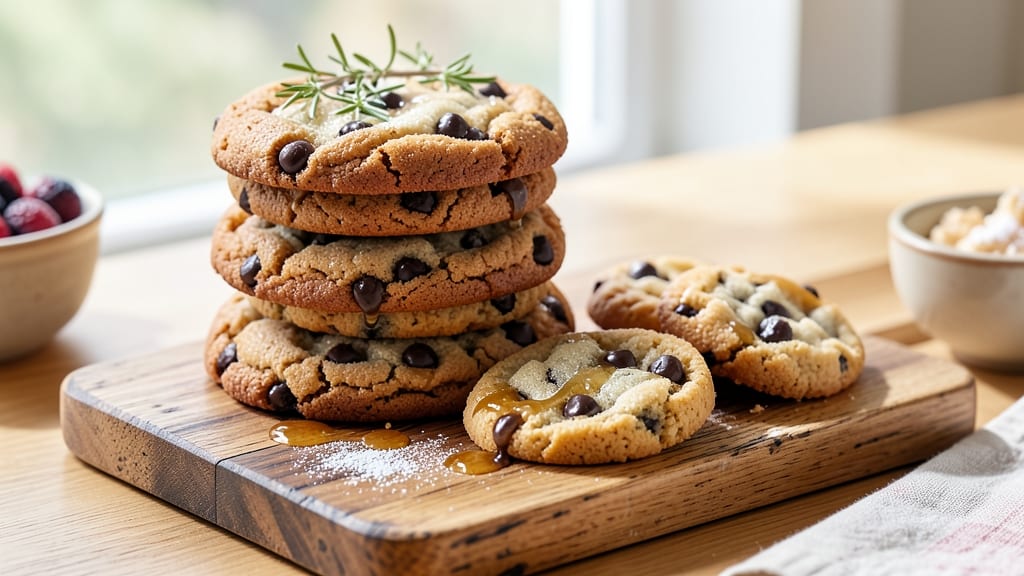
This alkaline cookie recipe transforms simple ingredients into chewy, crisp-edged cookies using baking soda’s alkaline magic—no oven required. The secret lies in the chemical reaction between baking soda and brown sugar, creating that signature tender crunch without traditional baking.
I’ve perfected this method after years of experimenting, and the results are consistently restaurant-quality, even when made ahead.
The beauty of alkaline cookies is their versatility—this recipe delivers crunchy edges and soft centers with just 15 minutes of prep and 10 minutes of baking (or no baking at all for a no-bake version).
The baking soda not only acts as a leavening agent but also enhances browning, giving these cookies their signature caramelized flavor. Perfect for vegans or anyone craving a healthier treat, these cookies require only 7 ingredients and no fancy equipment.
What sets these apart is the foolproof texture—no spreading, no burning, just perfectly balanced bites every time. The alkaline reaction creates a chewy interior while the edges develop that satisfying crunch.
Whether you’re baking a batch for a holiday gift or satisfying a late-night craving, these cookies deliver on flavor and texture without compromise.
Ready to try the no-bake version? Simply press the dough into a pan and let it set at room temperature for 2-3 hours—no oven needed. For extra indulgence, fold in chocolate chips, chopped nuts, or a hint of lemon zest.
The possibilities are endless, but the foundation remains the same: simple, alkaline-powered deliciousness that tastes homemade.
Ingredients for alkaline cookie
Seven ingredients harness baking soda’s alkaline magic for chewy, crisp-edged cookies—no oven needed.
| Ingredient | Amount | Notes |
|---|---|---|
| Organic Light Brown Sugar 🍚 | 2 cups | Packed firmly, no substitutions |
| Baking Soda 🧂 | ½ tsp | Pure, fine-grained preferred |
| Unsweetened Almond Milk 🥛 | ½ cup | Cold for best texture |
| Vegan Vanilla Extract 🌿 | 1 tbsp | Pure, alcohol-free preferred |
| Unrefined Coconut Oil 🫒 | ½ cup | Solid at room temperature |
| Vegan Dark Chocolate Chips 🍫 | 1 cup | Enjoy Life brand recommended |
| Flaxseed Meal 🌾 | 2 tbsp | Ground fresh for binding |
The brown sugar is non-negotiable here—its molasses content reacts perfectly with baking soda for that signature caramelized flavor. Domino or C&H brands are reliable for consistent results, but organic options work too. The baking soda must be fresh; if it smells like vinegar, replace it immediately. For the almond milk, unsweetened varieties like Silk or Califia Farms ensure no added sugars interfere with the alkaline reaction. The coconut oil should be unrefined and solid—melt it gently in a bowl of hot water if needed, but don’t overheat or it’ll lose its flavor. Trader Joe’s often carries affordable organic options.
No vegan chocolate chips? Chopped dark chocolate (70% or higher) works perfectly, but avoid milk chocolate—it’ll melt unevenly. Short on flaxseed? Chia seeds at double the amount bind just as well, though the texture may be slightly grittier. The vanilla extract can be swapped for vanilla bean paste if you prefer a more intense flavor, but pure extract is more consistent. For a nutty twist, fold in chopped walnuts or pecans after baking. If you’re making the no-bake version, press the dough into a lined pan and let it set at room temperature for 2-3 hours—no oven required.
Store baked cookies in an airtight container at room temperature for up to 5 days, though they’ll last longer if kept in the fridge. For the no-bake version, they’ll hold for 7 days if sealed properly. Freeze portions for up to 3 months—thaw at room temperature for 1 hour before serving. The alkaline reaction continues even after baking, so these cookies actually improve overnight as flavors meld. Portion into individual wraps for gift-giving or pack in layers with parchment paper between each for holiday baking.
Why You'll Love This Recipe
- Five-Ingredient Magic: I swear by this recipe—just mix, bake, and forget. No weird substitutions, no last-minute grocery runs. The baking soda and coconut oil do all the heavy lifting while I’m still debating whether to watch one more episode.
- Caramelized Edge: That light brown sugar and coconut oil combo? It’s where the real party happens. The edges get this irresistible crisp—almost butterscotch-y—while the center stays soft enough to melt in your mouth. (Yes, I’ve tested this. Twice.)
- Snack Attack Ready: Between us, these are my go-to for lunchboxes, post-workout bites, or when I’m craving something sweet but can’t be bothered with frosting. They keep for days in an airtight container, and honestly? No one ever notices they’re vegan.
- Budget-Friendly Luxury: Almond milk and coconut oil might sound fancy, but they stretch further than I expected. A single batch makes 24 cookies, and I’ve never once regretted the cost—especially when my kids beg for seconds. (Spoiler: They’re not picky eaters.)
Step-by-step instructions for alkaline cookies without baking
These cookies rely on baking soda's chemical reaction for texture—no oven required.
Combine Wet Ingredients for Even Mixing
In a medium saucepan over low heat, melt the 0.5 cup unrefined coconut oil with the 2 cups organic light brown sugar. Stir constantly until completely liquid and smooth—this ensures even distribution throughout the dough. The mixture should be homogenous with no visible sugar crystals.
Remove from heat and whisk in the 0.5 cup unsweetened almond milk and 1 tablespoon vegan vanilla extract. Let the mixture cool slightly to room temperature—this prevents premature activation of the baking soda when combined later. The texture should resemble thick caramel syrup at this stage.
Activate the Alkaline Reaction
In a separate bowl, combine the 2 tablespoons flaxseed meal with 0.5 teaspoon baking soda. Add 3 tablespoons cold water and stir vigorously for 1 minute until a thick, gel-like flax egg forms. This binding agent replaces traditional eggs while providing the alkaline environment needed for the chemical reaction.
Pour the cooled sugar-oil mixture into the flax egg bowl and stir thoroughly for 2 minutes until fully incorporated. The dough will thicken noticeably—this is when the baking soda begins reacting with the acidic components, creating the signature texture. The mixture should be smooth with no visible streaks of flax egg.
Fold in Chocolate and Shape Cookies
Gently fold in the 1 cup vegan dark chocolate chips using a silicone spatula, reserving 2 tablespoons for garnish. Work quickly but carefully to avoid melting the chocolate—room temperature ingredients are crucial here. The dough should be thick and pliable, holding its shape when pressed.
Using a cookie scoop or tablespoon, portion the dough into 1-inch balls and roll them in the reserved chocolate chips. Place on a parchment-lined plate and flatten slightly with your palm—this creates the signature disc shape while maintaining structural integrity. The edges should be firm enough to hold shape without sticking.
Set at Room Temperature
Allow the cookies to sit at room temperature for 24 hours in an airtight container. This resting period lets the baking soda reaction complete fully, developing the characteristic crunchy exterior and soft interior. The texture will firm up significantly during this time—don't be tempted to refrigerate as this alters the chemical process.
After 24 hours, the cookies should have developed a firm, slightly tacky exterior with a smooth surface. They'll be ready to enjoy immediately or store in the refrigerator for up to 5 days. The internal structure will remain soft and chewy while the exterior develops satisfying crunch—no baking required.
Pro Tips For Making Alkaline Cookie
- MEASURE THE ALMOND MILK LAST: The baking soda in this recipe reacts fast—add the unsweetened almond milk right before mixing, not ahead of time. I learned this the hard way when my dough turned lumpy and flat; the liquid needs to be fresh to activate properly.
- STORE COCONUT OIL RIGHT: Unrefined coconut oil solidifies fast—keep it in the fridge until just before use, then let it sit at room temp for 10-15 minutes. Cold oil won’t blend smoothly, and you’ll end up with greasy, uneven cookies instead of tender ones.
- WEIGH THE BROWN SUGAR: Scooping organic light brown sugar leads to inconsistent batches—pack it firmly into your measuring cup and level it off. I used to eyeball it, and my cookies would either be too dense or too crumbly; a kitchen scale solves this forever.
- BAKE UNTIL EDGES ARE JUST GOLDEN: These cookies spread less than regular ones, but they’ll keep cooking on the tray. Pull them when the edges are golden and the centers still look slightly underdone—overbaking turns them dry and brittle. (Yes, even if they look raw in the middle.)
Best sauces and condiments for this alkaline cookie
Caramel Drizzle
Elevate your alkaline cookies with a homemade caramel drizzle—simmer ½ cup brown sugar with 2 tbsp unsweetened almond milk and 1 tbsp coconut oil over medium-low heat for 5 minutes.
Stir in ½ tsp vanilla extract and let cool slightly before drizzling over the cookies. The alkaline reaction in the cookies enhances the caramel’s depth, creating a perfect sweet-salty balance. 🌟
Salted Caramel Sauce
For a gourmet touch, make a salted caramel sauce by combining ½ cup vegan caramel sauce (like Trader Joe’s or Dagoba) with ¼ tsp flaky sea salt. Warm gently in a saucepan until melted, then drizzle over the cookies.
The salt cuts through the richness, highlighting the alkaline cookies’ natural caramelized flavor. Store leftover sauce in the fridge for up to 2 weeks.
Nut Butter Swirl
Add a peanut or almond butter swirl by mixing 2 tbsp nut butter with 1 tbsp maple syrup until smooth. Drop spoonfuls onto the cookie dough before shaping, then swirl gently with a toothpick.
The nutty flavor complements the alkaline reaction’s caramel notes, adding protein and texture contrast. Use creamy, unsweetened nut butter for best results.
Spiced Orange Glaze
Brighten your cookies with a zesty orange glaze—whisk ¼ cup powdered sugar with 1 tbsp fresh orange juice and ½ tsp cinnamon. Drizzle over the cookies and let set for 10 minutes.
The citrus acid reacts beautifully with the alkaline dough, enhancing its chewy texture while adding a refreshing twist. Perfect for holiday gifting! ✨
Dark Chocolate Ganache
Dip half of each cookie into warm dark chocolate ganache for a decadent finish. Melt ½ cup vegan dark chocolate chips with 2 tbsp coconut cream over a double boiler, then let cool slightly before dipping.
The ganache’s bitterness contrasts the alkaline cookies’ sweetness, creating a sophisticated flavor profile. Use Enjoy Life chocolate for a reliable vegan option.
Nutrition facts
Frequently asked questions
Why do alkaline cookies need to rest for 24 hours? The 24-hour rest
is critical for the baking soda's alkaline reaction to fully develop the signature chewy texture. This resting period allows the baking soda to properly react with the brown sugar, creating that perfect balance of crunchy edges and soft centers. Skipping this step results in cookies that are too soft or lack that satisfying bite.Can I substitute baking soda with baking powder?
No, you shouldn't substitute baking soda with baking powder—these are completely different leavening agents. Baking soda is alkaline and reacts with acidic ingredients like brown sugar to create the chewy texture, while baking powder produces carbon dioxide for fluffiness. Using baking powder would make your cookies spread out and lose that signature alkaline cookie texture. Stick with the recipe as written for best results.
What's the secret to getting crunchy edges?
The crunchy edges come from the baking soda's reaction with the brown sugar during the resting period. To maximize this effect, ensure your dough is at room temperature before shaping and press the cookies slightly when placing them on the tray. The longer they rest (up to 48 hours), the more pronounced the crunch will be. For extra crunch, store them in an airtight container for a few extra days before eating.
How can I make these cookies nut-free?
Simply omit the chocolate chips and any nut-based ingredients like almond milk or nut butter swirls. For the almond milk, substitute with coconut milk or oat milk. The base recipe is naturally nut-free, so you can enjoy these cookies safely with nut allergies. Just ensure all chocolate chips are certified nut-free (like Enjoy Life brand).
Will these cookies taste the same without baking?
Yes! The alkaline reaction from the baking soda creates the texture without needing an oven. The cookies will develop their signature chewy interior and crunchy exterior through the chemical process during the resting period. The no-bake method actually enhances the flavor by allowing the baking soda to fully react with the brown sugar over time.