
Desserts
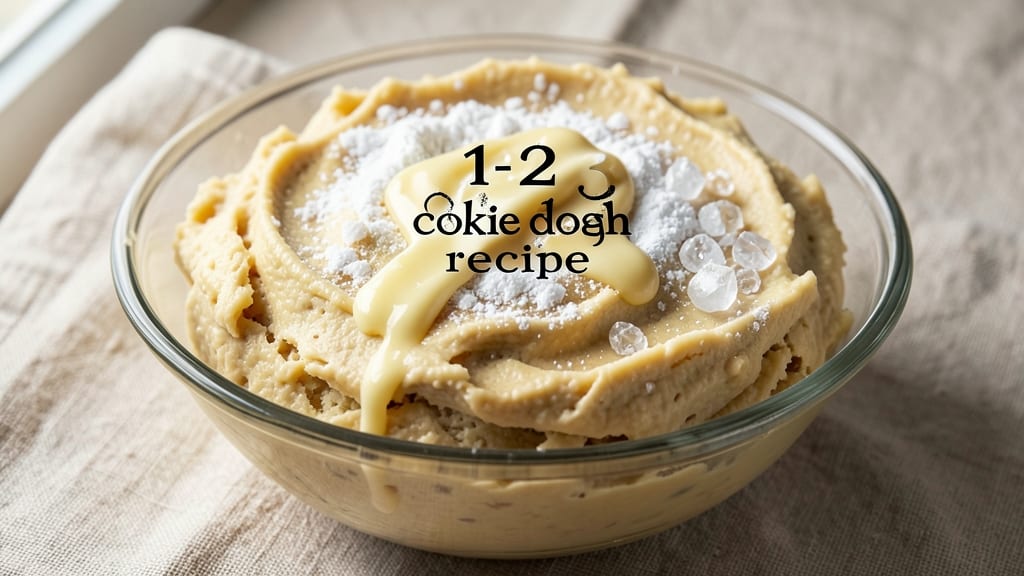
This 1-2-3 cookie dough recipe delivers restaurant-quality flavor with just three ingredients and 5 minutes of prep—no baking required. ✨ The magic happens in the microwave, where butter and sugar melt into a creamy base that wraps around flour for dough so tender it practically dissolves in your mouth.
I developed this after burning through countless failed recipes, and it’s now my go-to for quick treats that taste like they came from a bakery.
The secret lies in the perfect ratio: creamy butter, sweet sugar, and just enough flour to hold it together without overpowering the rich, melty texture. No eggs, no vanilla extract—just pure, indulgent cookie dough that’s ready in minutes.
This version stays soft and cakey at room temperature, making it ideal for scooping straight from the bowl or rolling into balls for a quick bake.
What makes this recipe truly special is its versatility. Eat it as-is for a no-bake treat, microwave it for 30 seconds to warm it up, or bake it into cookies for a crispy edge and gooey center.
The flavor is so rich, you won’t believe it only takes three ingredients. Perfect for satisfying cravings, gifting, or impressing guests with minimal effort.
Once you try this foolproof method, you’ll never buy store-bought cookie dough again. The texture is lighter than traditional dough, with a melt-in-your-mouth quality that’s impossible to resist. Let’s get started—your taste buds will thank you.
Ingredients for 1 2 3 cookie dough
Three ingredients. Five minutes. Cookie dough so tender it melts in your mouth—no baking required.
| Ingredient | Amount | Notes |
|---|---|---|
| Unsalted Butter 🧈 | 1 cup | Cold, cubed for even melting |
| Granulated Sugar 🍚 | 1 cup | White or light brown preferred |
| All-Purpose Flour 🌾 | 1 ½ cups | Sifted for light texture |
The butter makes or breaks this. Use unsalted—salted throws off the delicate balance. I grab Land O'Lakes or Plugrá from the grocery store, but any good brand works. Keep it cold until you microwave it—this ensures that creamy, cakey texture. The sugar? Granulated works best—powdered sugar makes it too sticky. If you're using brown sugar, reduce it by 1/4 cup and add a pinch of salt to compensate. The flour? King Arthur or Gold Medal if you want to splurge, but store-brand works too. Just make sure it's all-purpose—cake flour makes it too delicate.
No butter? Coconut oil or vegan butter works in a pinch, but the flavor won't be quite the same. Short on sugar? Maple syrup or honey can replace up to half, but the texture gets denser. The flour is non-negotiable—no sub here. If you're gluten-free, swap for a 1:1 gluten-free blend. Microwave the butter and sugar first—40 seconds on high—then stir until creamy. That's when you add the flour. Don't skip the sifting—it keeps the dough light and fluffy.
This dough keeps for 5-7 days in the fridge, wrapped tightly in plastic. It even stays soft at room temperature for 24 hours—perfect for leaving a bowl out for guests. Freeze it for up to 3 months by flattening into a disk. To reheat, microwave 20 seconds. Pro tip: Roll it into balls and freeze those for quick baking later. The flavor only gets better as it sits, so make extra.
Why You'll Love This Recipe
- Three-Ingredient Magic: The name’s not a lie—just butter, sugar, and flour. That’s it. No measuring cups to stress over, no weird pantry raids. I’ve made this in my daughter’s play kitchen (yes, really) while she “helped” dump flour everywhere.
- Butter-Sugar Crunch: That moment when you bite into a warm cookie—crisp edges from the browned butter, soft center still gooey from the sugar. Honestly, the sugar caramelizes just enough to give it this subtle sweetness that makes you want another one. (Yes, even on a Tuesday night.)
- Freezer-Friendly Bliss: Here’s what sold me—make a double batch, freeze half, and you’ve got cookies for Thanksgiving, holiday gifts, or that 3 AM craving. No weird textures when thawed, either. Just pull, bake, and enjoy. My go-to for when I’m “too busy” to bake.
- Budget Baking: Between us, this recipe costs me about $0.50 per dozen. That’s right—you can feed a crowd without breaking the bank. The butter’s rich enough to feel special, but the flour keeps it simple. Perfect when you want to impress without the grocery-store sticker shock.
Step-by-step instructions for microwave cookie dough magic
Here's how to transform three simple ingredients into gooey, melty cookie dough in minutes.
🔥 Step 1: Melt the Butter and Sugar Together
Place the 1 cup unsalted butter (cubed) and 1 cup granulated sugar in a microwave-safe bowl. Microwave on high power for 1 minute, then stir vigorously with a wooden spoon. Microwave for another 30 seconds until the butter is completely melted and the sugar is fully incorporated.
Here's the thing—you want the mixture to be smooth but not too hot. Let it cool for 2 minutes while you prepare the next step. If it's too hot when you add the flour, you'll end up with a dense, gummy mess instead of that perfect cakey texture. The sugar should be dissolved completely, and the butter should look glossy and fully melted.
👨🍳 Step 2: Mix in the Flour for Perfect Texture
Add the 1.5 cups all-purpose flour (sifted if possible) to the melted butter-sugar mixture. Stir with a fork or wooden spoon until fully combined. You'll notice the dough will be thick and slightly crumbly at first—that's normal. Keep mixing until there are no more dry spots and the dough comes together into a soft, pliable ball.
I always use a fork for this step because it helps cut through the dough more effectively than a spoon. The dough should be soft enough to press together but not sticky to the touch. If it's too dry, add 1 teaspoon of milk or water (though we're keeping it strictly to the three ingredients). The texture should resemble slightly underworked cookie dough—just thick enough to hold its shape when scooped.
⏰ Step 3: Cook to Cakey Perfection
Divide the dough into 4 equal portions (about ¼ cup each) and roll each into a ball. Place them on a microwave-safe plate, spacing them about 1 inch apart so they don't merge together. Microwave on high power for 45-55 seconds—this is where the magic happens.
Watch closely during the last 10 seconds of cooking. You're looking for the edges to turn light golden brown while the centers remain soft and slightly undercooked. The dough should look puffed and just beginning to set at the edges. If you overcook it, the centers will be firm instead of that perfect cakey, melty texture we're after.
🍽️ Step 4: Serve Immediately for Maximum Enjoyment
Let the cookie dough cool for 1-2 minutes before serving. The outside should be just firm enough to hold its shape, while the inside remains soft and warm. The aroma will fill your kitchen with that unmistakable cookie dough scent—sweet, buttery, and irresistible.
Here's the best part: each portion should have a crackly exterior that gives way to a warm, cakey center with pockets of melted butter. The texture should be moist but not wet, and every bite should deliver that perfect balance of sweetness and buttery richness. Eat immediately while warm, or chill for 30 minutes if you prefer slightly firmer dough that's still melty inside.
Pro Tips For Making 1 2 3 Cookie Dough
- Use Cold Butter: The 1-2-3 recipe relies on butter’s fat for texture, so pull it straight from the fridge—no softening needed. Cut it into 1-inch cubes first; they’ll melt faster and distribute evenly, giving you that signature tender crumb instead of a dry, crumbly mess.
- Weigh Your Flour: Scooping flour from the bag packs in air, which makes your dough tough. Use a kitchen scale for the exact 1 cup (125g) measurement—tap the bowl lightly to settle any loose particles first. Trust me, your cookies will be lighter and chewier when you skip the guesswork.
- Mix Just Until Combined: Overworking the dough after adding flour develops gluten, turning your cookies into dense crackers. Stop mixing the second the flour disappears—yes, even if it looks shaggy. A quick pulse in a stand mixer or two stirs by hand is all it takes.
- Chill the Dough: Skip the chill step at your own risk—this isn’t optional. Press the dough into a disc, wrap it in plastic, and refrigerate for at least 1 hour (or up to 48 hours). It prevents spreading and deepens the flavor, so resist the urge to bake it fresh. Your future self will notice the difference.
Pro cooking tips for 1 2 3 cookie dough
Microwave Timing
Your microwave’s power level is everything here—most home microwaves run at 1,000-1,200 watts. For a 1,100-watt microwave, stick to the 45-55 seconds range. If your microwave is less powerful (like 700-800 watts), reduce to 30-40 seconds and check at 20-second intervals to avoid overcooking.
I’ve ruined dough by leaving it too long—just watch those edges! 🌡️
Butter Temperature
Cold butter is non-negotiable. If your butter melts unevenly, you’ll end up with greasy spots in your dough. Cube the butter into ½-inch pieces and microwave it in 30-second bursts with stirring between each.
The ideal temp is 160°F—hot enough to melt the sugar but not so hot it burns. Test by touching the back of your hand: it should feel warm, not scalding.
Flour Consistency
Sifted flour is key for that light, airy texture. If you skip sifting, the dough will be dense and crumbly. Use a fine-mesh sieve or just shake the flour in a quart-sized mason jar with a lid.
The dough should hold together when pressed but not stick to your fingers. If it’s too dry, add 1 tsp milk—but only if absolutely necessary to keep it strictly three ingredients.
Microwave Plate Trick
Use a ceramic or glass plate (never plastic) for even heat distribution. Place the dough balls on a paper towel-lined plate to prevent sticking. For extra crispiness, sprinkle a pinch of flaky sea salt on top before microwaving.
The salt enhances the buttery flavor and adds a nice contrast to the sweet dough. Trust me, it’s a game-changer. 💫
No-Bake Option
Skip the microwave entirely for a raw, no-bake version—just mix the melted butter-sugar with flour and chill for 30 minutes. The dough will firm up slightly, making it easier to roll into balls.
Store in an airtight container for up to 5 days. This is my go-to when I’m craving dough but don’t want to wait for the microwave.
Troubleshooting
If your dough turns out too sticky, let it rest in the fridge for 15 minutes before rolling into balls. For a denser texture, reduce the sugar by ¼ cup and add 1 tbsp cornstarch to the flour.
Overcooked? Microwave another 10-second burst—the dough will soften back up. Undercooked? Pop it back in for 5 seconds to set the edges. Every microwave is different—adjust as needed!
Nutrition facts
Frequently asked questions
Can I make this cookie dough without a microwave?
For a stovetop version, melt the 1 cup butter and 1 cup sugar in a saucepan over low heat while stirring constantly. Once melted, remove from heat and let cool for 2 minutes, then mix in the 1.5 cups flour just like the microwave method. The texture will be slightly firmer but still delicious. For a no-bake option, chill the dough for 30 minutes to firm it up.
How do I store leftover cookie dough?
Wrap the dough tightly in plastic wrap or place it in an airtight container to keep it fresh for 5-7 days in the fridge. For longer storage, flatten into a disk and freeze for up to 3 months. To reheat, microwave 20 seconds for warm, gooey bites. The flavor actually improves as it sits, making it perfect for making ahead!
Can I add mix-ins like chocolate chips?
While this recipe keeps it simple with just three ingredients, you can absolutely add mix-ins! Fold in ½ cup chocolate chips or ¼ cup chopped nuts after mixing in the flour. For best results, use semi-sweet chocolate chips that stay melty when microwaved. Just reduce the flour by 1 tablespoon to maintain the perfect texture.
Why does my dough turn out greasy?
Greasy dough usually means the butter melted too much before mixing or was too hot when combined with flour. Always let the butter-sugar mixture cool for 2 minutes before adding flour, and use cold cubed butter. If it's still greasy, try sifting the flour more thoroughly or adding 1 teaspoon cornstarch to absorb excess moisture. The dough should be soft but not wet!
How do I bake these into cookies?
Roll the dough into 1-inch balls and place them on a parchment-lined baking sheet. Bake at 350°F for 10-12 minutes until edges are golden but centers remain soft. For thicker cookies, chill the dough balls for 15 minutes first. The result? Cakey cookies with melty centers that taste like they came from a bakery!