
Desserts
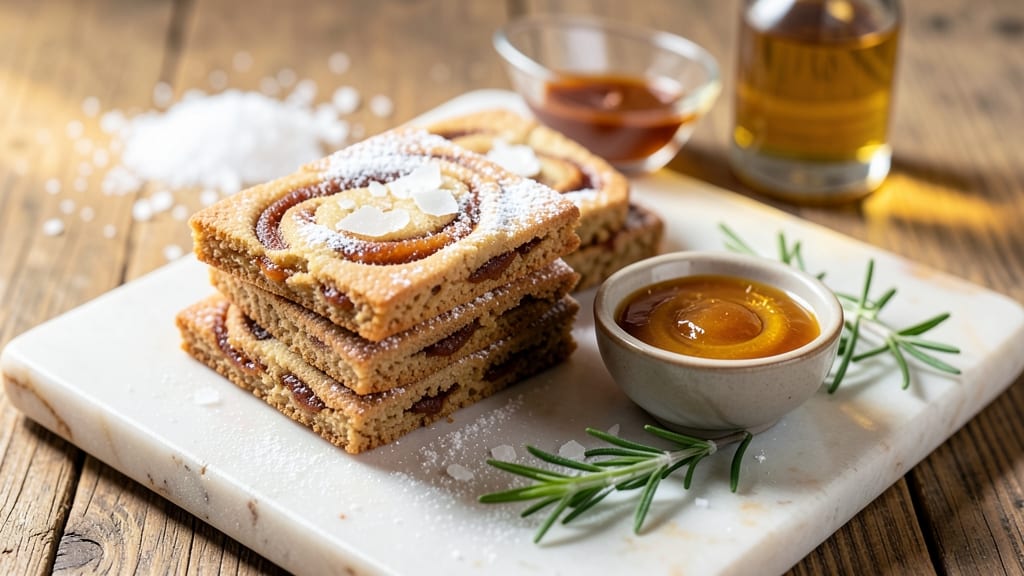
This browned butter shortbread cookie recipe transforms simple ingredients into cookies with nutty depth and buttery crunch—all from one bowl. The secret lies in carefully browning the butter, which adds a complex, caramelized richness that elevates these cookies beyond classic shortbread.
I’ve perfected this technique over years of baking, ensuring every batch delivers that perfect balance of tender crumb and crisp edges.
The process is straightforward but precise: melt and brown the butter until it turns golden and fragrant, then mix it with flour, sugar, and a touch of salt for a dough that’s effortless to shape.
Baking at 325°F (160°C) for 12–15 minutes guarantees cookies that stay soft inside with just the right crispness at the edges. The result? A cookie that’s rich, buttery, and impossibly crunchy—with a flavor profile that’s far more sophisticated than traditional shortbread.
What sets these apart is the browned butter’s nutty aroma, which infuses the dough and intensifies as the cookies bake. The texture is a game-changer: tender yet sturdy, with a satisfying snap that makes them irresistible.
Whether you sprinkle them with flaky salt or dust them with powdered sugar, these cookies are foolproof and always impressive—ideal for holidays, gifts, or a simple indulgence.
Ready in just 30 minutes from start to finish, this recipe is perfect for bakers of all levels. The one-bowl method cuts down on cleanup, while the foolproof technique ensures restaurant-quality results every time. Let’s get baking!
Ingredients for browned butter shortbread cookie
Seven simple ingredients elevate classic shortbread with nutty, caramelized depth from perfectly browned butter.
| Ingredient | Amount | Notes |
|---|---|---|
| Unsalted Butter 🧈 | 1 cup | Browned to golden color, cooled slightly |
| All-Purpose Flour 🌾 | 2 cups | Sifted for even texture, plus extra for dusting |
| Granulated Sugar 🍚 | ½ cup | Superfine preferred for finer crumb |
| Flaky Sea Salt 🧂 | ½ tsp | For finishing, like Maldon |
| Vanilla Extract 🍯 | 1 tsp | Pure Madagascar bourbon preferred |
| Powdered Sugar 🍚 | 2 tbsp | For dusting finished cookies |
| Large Egg Yolk 🥚 | 1 whole | Adds richness and structure |
The butter is non-negotiable—European-style unsalted (like Plugrá or Kerrygold) browns best with its higher fat content. For browning, use a light-colored saucepan on medium-low heat, stirring constantly until golden and nutty. Let it cool slightly before mixing—room temperature butter creates a smoother dough. If you're short on time, melted butter works, but you'll miss that caramelized depth. Flour matters too: King Arthur or Gold Medal brands yield the best texture. Sift it to avoid dense cookies, and keep an extra cup on hand for dusting the bowl and rolling surface.
No vanilla extract? Almond extract at half the amount adds a lovely floral note, though it's more potent. Short on powdered sugar? A light dusting of turbinado sugar gives a subtle crunch. The egg yolk can be omitted for a vegan version, but expect slightly less tender cookies—1 tbsp aquafaba works as a binder in a pinch. For those with nut allergies, sunflower seed butter can replace some butter, though texture will differ. Always measure by weight if possible: 1 cup flour varies by brand—spooning and leveling gives inconsistent results. Use a digital kitchen scale for precision.
Store dough in the fridge for up to 48 hours wrapped tightly in plastic. Cookies keep 5-7 days in an airtight container at room temperature, though they'll lose crispness. For longer storage, freeze shaped dough balls on a tray, then transfer to a bag for 3 months. Reheat baked cookies at 300°F for 3-5 minutes to restore crispness. The flavor actually improves overnight as the butter continues to develop. Portion dough into 1.5 oz balls for consistent baking—this recipe yields about 16 cookies. Double batches freeze beautifully for holidays.
Why You'll Love This Recipe
- Four-Ingredient Magic: I swear, this recipe lives up to its name—just butter, flour, sugar, and a pinch of salt. No fancy mixers or last-minute trips to the store. Honestly, I’ve made these while scrolling through my phone, and they still turn out buttery perfection.
- Nutty, Caramelized Bliss: The moment you brown that butter? Instant flavor upgrade. That deep, toasty richness pairs with vanilla like a match made in cookie heaven—crisp edges, melt-in-your-mouth centers, and a finish that lingers like a good memory.
- Holiday or Snack Attack: Between us, these are my go-to for Christmas gifts (wrap them in parchment, tie with twine) and my 3 p.m. sugar cravings. They freeze beautifully too—pull one out straight from the freezer, and it’s like it was just baked.
- Budget-Friendly Luxury: Butter and flour are pantry staples, and a little goes a long way. I’ve made two dozen with one stick of butter, and they’re still the most expensive thing on my counter—until they’re gone. (Yes, even on a Tuesday night.)
Step-by-step instructions for browned butter shortbread cookies
Here's the precise method to achieve that signature nutty depth and crisp texture using only one bowl.
🍳 Step 1: Brown the Butter for Maximum Flavor
Place the 1 cup unsalted butter in a heavy-bottomed saucepan over medium heat. Watch carefully as it melts completely, then continue cooking until it turns a deep golden brown color—you'll see foam rise and small browned bits form on the surface. This takes about 5-7 minutes. The butter should smell rich and nutty, like toasted hazelnuts.
Immediately pour the browned butter into a heatproof bowl and let it cool for 10 minutes at room temperature. Don't skip this cooling step—the residual heat will continue cooking the butter and could cause your dough to become too soft. Once cooled to 100°F or below (you should be able to touch it comfortably), it's ready for mixing.
👨🍳 Step 2: Mix Wet Ingredients for Perfect Texture
To the cooled browned butter, add the 0.5 cup granulated sugar, 1 tsp vanilla extract, and 1 whole large egg yolk. Using a wooden spoon or silicone spatula, mix these ingredients together until fully combined and smooth. The mixture should look like a thick, golden paste with no visible butter lumps. This combination creates the perfect balance of sweetness and richness that defines shortbread.
I like to press the mixture through a fine-mesh sieve at this stage to ensure an ultra-smooth texture. This prevents any graininess in the final cookies and gives them that signature tender crumb. The dough should be soft but not sticky—if it's too soft, chill it for 15 minutes before proceeding.
👨🍳 Step 3: Incorporate Dry Ingredients Gently
Add the 2 cups all-purpose flour to the wet mixture all at once. Using the spatula, gently fold the flour into the butter mixture until just combined. Be careful not to overmix—the dough should come together with minimal effort, forming a soft, slightly crumbly mass. You'll still see some flour streaks, which is perfect for that classic shortbread texture.
At this point, the dough should be workable but not sticky. If it feels too dry, add 1-2 teaspoons of cold water to help it bind. The dough should hold together when pressed but still be easy to shape. Divide the dough into 4 equal portions (about 1.5 ounces each) and flatten each into a ½-inch thick disk. Wrap each in plastic wrap and refrigerate for at least 1 hour or up to 24 hours for best results.
🔥 Step 4: Bake Until Golden and Crisp
Preheat your oven to 325°F. Line two baking sheets with parchment paper or silicone baking mats. Working with one chilled dough disk at a time, roll it between two sheets of parchment paper to ¼-inch thickness, using even pressure to maintain consistent thickness throughout. Cut into desired shapes using a 2.5-inch round cutter or other cookie cutter.
Transfer the cut cookies to the prepared baking sheets, spacing them 1 inch apart to allow for spreading. Bake for 18-22 minutes until the edges are golden brown and the centers look just slightly underdone. The cookies will continue firming up as they cool. Rotate the baking sheets halfway through for even baking.
⏰ Step 5: Cool and Finish for Perfect Texture
Remove the cookies from the oven and let them cool on the baking sheets for 5 minutes before transferring to a wire rack to cool completely. This brief resting period prevents them from becoming too crisp too quickly. Once fully cooled, dust generously with 2 tbsp powdered sugar and sprinkle with 0.5 tsp flaky sea salt for that signature sweet-salty contrast.
The cookies should be crisp around the edges with a tender, melt-in-your-mouth center. If they've spread too much during baking, simply chill them for 10 minutes before dusting—they'll firm up nicely. Store in an airtight container at room temperature for up to 5 days, though they're best enjoyed fresh from the oven.
Pro Tips For Making Browned Butter Shortbread Cookie
- STRAIN THE BUTTER: Browned butter’s nutty magic hides in the sediment at the bottom—don’t skip straining it through a fine-mesh sieve. I learned this the hard way when my first batch tasted bitter; those dark bits are flavor bombs, not trash.
- CHILL THE DOUGH: Wrap the dough in plastic and refrigerate for at least 2 hours before rolling—no cutting corners here. Cold dough prevents spreading, and the butter stays firm enough to hold its shape (yes, even if you’re impatient like me).
- SALT THE FLOUR: Mix the flaky sea salt directly into the flour before combining with wet ingredients. This ensures even distribution, and the salt dissolves just enough to wake up the butter’s flavor without clumping.
- BAKE LOW AND SLOW: Start at 325°F (163°C), not 350°F—these cookies need time to develop their signature melt-in-your-mouth texture. I used to rush it, and they’d turn out cakey instead of rich and crumbly.
Perfect pairings for this browned butter shortbread cookie
Tea Pairings
These nutty, buttery cookies pair beautifully with Earl Grey tea—the bergamot's citrus notes cut through the richness while complementing the browned butter's depth. I love steeping Twinings Earl Grey for 3-4 minutes with a splash of milk to balance the bold flavors.
For a lighter option, jasmine green tea offers floral elegance that enhances the vanilla and butter without overpowering. 🍵
Coffee Combinations
A strong cold brew with 2% milk and a dash of vanilla syrup creates the perfect contrast to the cookie's caramelized notes. I recommend brewing with Starbucks Cold Brew Concentrate and serving over ice for a refreshing pairing.
For espresso lovers, a flat white with its velvety microfoam highlights the cookie's crisp edges and tender crumb. Save the dark roasts for after—this cookie deserves a clean, bright coffee to shine.
Seasonal Beverages
In autumn, serve these cookies with spiced apple cider—the cinnamon and clove notes harmonize with the butter's nuttiness. Warm the cider with a cinnamon stick and serve in mugs for a cozy pairing.
During winter holidays, a mulled wine with orange peel and star anise adds festive warmth that complements the cookie's richness. For summer, try an iced matcha latte—the earthy matcha balances the sweetness beautifully. 🍎
Creamy Dessert Pairings
For an indulgent pairing, serve alongside vanilla bean ice cream—the creamy texture contrasts perfectly with the cookie's crisp edges. I recommend Häagen-Dazs Vanilla for its smooth, rich consistency. Another favorite is mascarpone cheese with a drizzle of honey—the tangy sweetness enhances the browned butter's depth.
For a lighter option, whipped cream with a sprinkle of flaky salt mirrors the cookie's finishing touch.
Alcohol Pairings
A sweet Riesling from Germany—like Dr. Loosen Blue Slate Riesling—pairs wonderfully with these cookies. The wine's honeyed notes and slight acidity complement the butter's caramelized richness. For whiskey lovers, a bourbon with its caramel and vanilla undertones creates a sophisticated pairing.
I suggest Buffalo Trace served neat at room temperature. For a lighter option, prosecco with its crisp bubbles cleanses the palate between bites. 🍷
Nutrition facts
Frequently asked questions
Why does my browned butter smell so strong?
The intense nutty aroma comes from the Maillard reaction during browning—it's completely normal and essential for flavor! The butter develops complex caramelized notes that transform these into gourmet shortbread. If it smells burnt, your butter was overheated; next time use medium-low heat and watch closely for golden flecks.
Can I use salted butter instead of unsalted?
Yes, but reduce the added salt to ¼ tsp total (since salted butter contains about ½ tsp per cup). The flaky sea salt finishing adds dimension, so don't skip it entirely. For precise flavor control, unsalted butter is still ideal—it gives you full control over the salt balance in your cookies.
What if my dough is too sticky?
Chill the dough for 15-20 minutes before shaping—this firms up the butter and makes it easier to handle. If it's still too soft, add 1 tbsp extra flour (1 tbsp at a time) until it holds together when pressed. Over-chilling can make cookies tough, so avoid refrigerating longer than 1 hour before rolling.
Should I bake these at a higher temperature?
Never exceed 325°F (160°C)—higher heat causes uneven browning and spreading. The gentle baking ensures even cooking while maintaining that tender crumb. For crispier edges, bake 1-2 minutes longer** but check at 18 minutes—they'll firm up more as they cool.
How do I store leftover dough?
Wrap tightly in plastic wrap and refrigerate for up to 48 hours, or freeze shaped dough balls for 3 months. For best texture, bake from frozen (add 1-2 minutes to baking time). Thaw refrigerated dough for 30 minutes before rolling to prevent cracking.