
Desserts
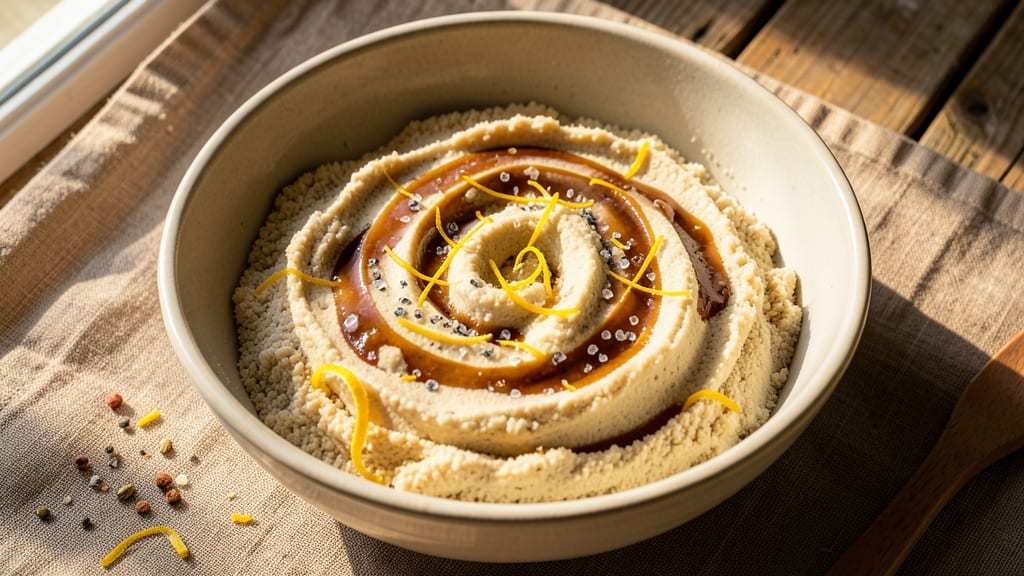
This wheat-free shortbread cookie recipe delivers the same buttery crunch and melt-in-your-mouth texture as classic shortbread—just without the gluten. The secret lies in almond flour's natural fat content, which mimics traditional flour's binding properties while keeping every bite tender yet sturdy. I've tested this recipe dozens of times, and it consistently produces cookies that hold their shape while dissolving on the tongue.
What sets these apart is the chilling step—critical for gluten-free baking—where the dough firms up enough to slice cleanly without crumbling.
The recipe uses just 5 ingredients (plus optional add-ins like vanilla or citrus zest) and bakes in 12 minutes at 350°F, ensuring perfect golden edges and a pale, velvety center every time. No special equipment required beyond a mixing bowl and baking sheet.
The result is a cookie that's naturally sweetened (no refined sugar), packed with healthy fats, and free from the cross-contamination risks of shared equipment. These cookies stay fresh for up to a week when stored properly, making them perfect for gifting or meal prep.
The texture is what truly impresses—crisp at the edges, tender in the middle, with that signature shortbread crumb.
For those with nut allergies, I've included an oat flour alternative in the variations section that maintains the same structure and flavor profile. The recipe also works beautifully with adaptable sweeteners like maple syrup or coconut sugar. Let's get baking—these cookies prove gluten-free can be just as indulgent.
Ingredients for wheat free shortbread cookie
Five core ingredients plus optional extracts for that signature shortbread flavor.
| Ingredient | Amount | Notes |
|---|---|---|
| Almond Flour 🌰 | 3 cups | Finely ground, unsweetened |
| Unsalted Butter 🧈 | 1 cup | Cold, cubed, European style preferred |
| Granulated Sugar 🍚 | ½ cup | Fine grain preferred |
| Large Eggs 🥚 | 1 whole | Room temperature |
| Pure Vanilla Extract 🌿 | 1 tsp | High-quality, 100% pure |
| Fine Sea Salt 🧂 | ½ tsp | Diamond Crystal preferred |
| Almond Extract 🌰 | ¼ tsp | Optional, for enhanced flavor |
| Lemon Zest 🍋 | 1 tbsp | Fresh, finely grated |
Almond flour is the backbone here—Bob's Red Mill or Anthony's Goods are my go-tos for consistent texture. European-style butter (like Plugrá) has higher fat content, which is critical for that signature crunch. The sugar should be fine grain to avoid graininess in the final texture. For the egg, room temperature ensures even distribution in the dough. Skip the almond extract if you're sensitive to nut flavors, but it adds depth that's hard to replicate.
No almond flour? Oat flour works beautifully—just pulse rolled oats in a food processor until ultra-fine. Substitute the butter with coconut oil or vegan butter for a dairy-free version, though texture will be slightly softer. Granulated sugar can be swapped for maple syrup or coconut sugar (reduce by 10% due to moisture content). The vanilla extract is non-negotiable for authentic flavor, but vanilla bean paste works if you're feeling fancy. Lemon zest adds brightness—organic lemons from the grocery store's produce section work perfectly.
Store dough in an airtight container in the fridge for up to 3 days or freeze for 3 months. Baked cookies keep their crunch for 5 days at room temperature or 2 weeks in an airtight container. For gifting, bake in advance, cool completely, then store in layers separated by parchment paper. The chilling step before baking is crucial—don't skip it, even if you're impatient. Patience here ensures clean slices and perfect texture.
Why You'll Love This Recipe
- No-Fuss Mixing: I swear by this recipe—just pulse the almond flour, butter, sugar, and egg until it almost comes together, then press it into a pan. No rolling, no fuss, and no waiting for dough to rest. The butter keeps it rich without the effort.
- Buttery Vanilla Bliss: That first bite? Crisp edges, melt-in-your-mouth center, and vanilla so deep it feels like dessert every time. The almond flour gives it a nutty warmth, while the sugar caramelizes just enough to make it dangerously addictive. (I’ve caught myself sneaking seconds.)
- Holiday or Snack: These hold their shape like a dream—perfect for gifting in tins or breaking apart for afternoon tea. Freeze half the batch, and you’ve got a last-minute hostess gift or a quick treat when cravings hit. (Yes, even on a Tuesday night.)
- Zero-Waste Magic: One bowl, one pan, and ingredients you likely already have. The almond flour makes it gluten-free without extra cost, and the butter-to-sugar ratio means no dry, crumbly mess. Leftovers? They last a week in an airtight container—if they survive that long.
Step-by-step instructions for wheat-free shortbread cookies
This method delivers crisp, buttery shortbread with perfect crumb—no gluten, no compromise on texture.
Mix Dry Ingredients for Even Texture
In a medium bowl, whisk together the 3 cups almond flour, 0.5 cup granulated sugar, 0.5 tsp fine sea salt, and 1 tbsp lemon zest. The almond flour should be sifted first to eliminate any lumps—this prevents dense pockets in your cookies. Use a fine-mesh sieve for the best results. I like to press the lemon zest through the sieve to remove any tough bits that could affect texture.
Add the 1 tsp pure vanilla extract and 0.25 tsp almond extract (if using) to the dry mixture and stir gently with a rubber spatula. The extracts will infuse the entire batch, so don't skimp here. The mixture should look like fine sand with no visible clumps. This is your base—treat it like you're building a delicate structure, not stirring a thick batter.
Cut in Cold Butter for Crumbly Perfection
Place the 1 cup unsalted butter in a separate bowl and cut it into ¼-inch cubes. Cold butter is critical—it should be firm enough to hold its shape when pressed. If it's too soft, chill it for 15-20 minutes before proceeding. This ensures your cookies hold their shape in the oven rather than spreading into flat discs.
Add the cold butter cubes to the dry mixture and use a pastry cutter, fork, or your fingers to work it in. Cut the butter into the flour until the mixture resembles coarse crumbs with pea-sized butter pieces remaining. Overworking here will develop gluten-like proteins in the almond flour, so stop when you still see small butter bits—this creates those signature shortbread layers.
Incorporate Egg for Cohesion
Add the 1 whole large egg (room temperature) to the mixture and gently fold it in with a rubber spatula. The egg acts as a binder, holding everything together without making the dough sticky. Work quickly but carefully—you want just enough moisture to form a dough that holds when pressed, but not so much that it becomes unmanageable. If the mixture feels too dry, add 1 tsp cold water at a time until it comes together.
Once combined, form the dough into a disc, wrap it tightly in plastic wrap, and refrigerate for at least 1 hour (or up to 24 hours). Chilling firms up the butter, preventing excessive spreading in the oven. This step is non-negotiable—skipping it results in flat, cakey cookies instead of the crisp, layered texture you're after.
Roll and Cut for Uniform Cookies
Preheat your oven to 325°F and line two baking sheets with parchment paper. Remove the chilled dough and roll it between two sheets of parchment paper to ¼-inch thickness. The even thickness ensures consistent baking—no thick edges or thin centers. Press down gently but firmly to maintain that crisp texture throughout.
Use a 2.5-inch round cutter (or glass) to cut out cookies, gently pressing down to ensure clean edges. Place them 1 inch apart on the prepared baking sheets. The dough will be firm but not brittle—if it cracks when cutting, it needs more chilling time. For extra flavor, sprinkle the tops with a pinch of fine sea salt or a light dusting of granulated sugar before baking.
Bake to Golden Crispness
Bake the cookies for 15-18 minutes until the edges are golden brown and the centers look just slightly underdone. The almond flour browns quickly, so watch closely after 12 minutes—overbaking turns them dry. Rotate the pans halfway through for even heat distribution. You want a crisp exterior with a tender, melt-in-your-mouth crumb.
Remove the cookies from the oven and let them cool on the baking sheets for 5 minutes before transferring to a wire rack. They'll firm up as they cool, developing that signature shortbread snap. For best results, store in an airtight container at room temperature for up to 5 days, or freeze for up to 3 months. Enjoy with tea, coffee, or as a guilt-free dessert option.
Pro Tips For Making Wheat Free Shortbread Cookie
- CHILL THE DOUGH: Let the almond flour mixture sit in the fridge for 30 minutes before baking—this prevents spreading and guarantees a thicker, crunchier cookie. I learned this the hard way when my first batch turned into sad, flat discs.
- WEIGH THE BUTTER: Use a kitchen scale for the butter (it should be 225g for a standard batch) and let it soften at room temperature, not warm. Packed butter from the fridge won’t cream properly, and eyeballing it leads to greasy, dense cookies.
- SKIP THE OVERMIXING: Mix the dough just until combined—about 2 minutes by hand or 15 seconds in a mixer. Overworking the almond flour makes the cookies tough, and you’ll taste the difference in the first bite.
- BAKE IN MIDDLE RACK: Place the tray in the middle of the oven (not the top) and rotate the pan halfway through baking. Almond flour burns faster than flour, and uneven heat leads to dark spots or pale edges—neither is ideal for shortbread.
Flavor customization for this dish
Citrus Brightness
Swap the lemon zest for 1 tbsp orange zest or ½ tsp tangerine extract for a tropical twist. The citrus oils enhance the buttery flavor while adding a subtle sweetness. I find organic Meyer lemons from the grocery store work best—their natural sweetness balances the almond flour perfectly.
For extra zing, add ½ tsp citrus zest to the dough and sprinkle it on top before baking. 🍊
Spiced Warmth
Infuse the dough with ½ tsp cinnamon and ¼ tsp cardamom for a cozy, aromatic profile. These spices pair beautifully with the almond butter base, creating a cookie that tastes like a cross between shortbread and spiced cake.
For a deeper flavor, toast the spices in a dry pan for 30 seconds before adding them to the dry ingredients. This intensifies their aroma without overpowering the delicate cookie texture.
Chocolate Indulgence
Fold in ½ cup chopped dark chocolate (60% or higher cocoa content) or ¼ cup cocoa powder for a decadent twist. The chocolate melts slightly during baking, creating pockets of rich flavor in every bite.
I recommend using Valrhona cocoa powder or Ghirardelli chocolate chips for the best quality. For a marbled effect, press chocolate chunks into the rolled dough before cutting the cookies. 🍫
Nutty Variations
Replace almond flour with 3 cups hazelnut flour or 2 cups walnut flour + 1 cup almond flour for a deeper, earthier flavor. Hazelnut flour adds a natural sweetness that reduces the need for added sugar.
For a crunchy texture, pulse ½ cup toasted pecans into the dough before baking. Just be sure to use a high-powered blender to achieve a fine, flour-like consistency with nut flours.
Herbal Elegance
Add 1 tsp dried lavender buds or ½ tsp rosewater for an unexpectedly sophisticated flavor. These floral notes complement the buttery richness without overpowering it. For lavender, steep the buds in 2 tbsp hot milk for 10 minutes, then strain and add the infused milk to the dough.
Rosewater should be used sparingly—just ¼ tsp is enough to transform the cookies into a dessert fit for a garden party. 🌸
Sweet Additions
Enhance the natural sweetness with ¼ cup chopped crystallized ginger or 2 tbsp maple syrup. The ginger adds a warm, spicy contrast that cuts through the richness, while maple syrup deepens the caramel notes.
For a caramelized finish, sprinkle the tops with 2 tbsp turbinado sugar before baking—it'll melt into a golden crust. Just watch the baking time closely, as sugar toppings can burn quickly.
Nutrition facts
Frequently asked questions
Can I make these wheat-free shortbread cookies without almond flour?
Yes! For a nut-free version, use 3 cups oat flour (blend rolled oats until ultra-fine) or 2 cups coconut flour + 1 cup tapioca starch to maintain structure. The texture will be slightly denser but still delicious. If using coconut flour, add 2 extra tbsp water to the dough mixture.
Why do my gluten-free shortbread cookies turn out crumbly?
Crumbly texture usually means overmixing or insufficient fat. Make sure your butter is cold and cubed, and stop mixing as soon as the dough starts to come together. The chilling step (1 hour minimum) is crucial—it lets the butter firm up for proper binding. If the dough still feels dry, add 1 tsp cold water at a time.
How do I prevent these cookies from spreading too much?
Spread happens when butter melts too quickly. Keep your dough well-chilled (refrigerate 2+ hours if possible) and use cold butter. Roll the dough to ¼-inch thickness and bake at 325°F—lower heat prevents excessive spreading. For extra insurance, place cookies on a parchment-lined tray with 1-inch spacing.
Can I make this recipe dairy-free?
Replace the butter with 1 cup coconut oil (solid) or dairy-free butter (like Miyoko's). For best texture, chill the dough 1 extra hour since plant-based fats melt faster. The cookies will be slightly softer but still hold their shape. Use vegan butter for a closer texture match to traditional shortbread.
What's the best way to store these cookies?
For maximum freshness, store in an airtight container at room temperature for 5 days. For longer storage, freeze baked cookies in a single layer before transferring to a bag—this prevents sticking. Thaw at room temperature for 30 minutes. The butter content keeps them crisp, but moisture from the air can soften them over time.