
Desserts
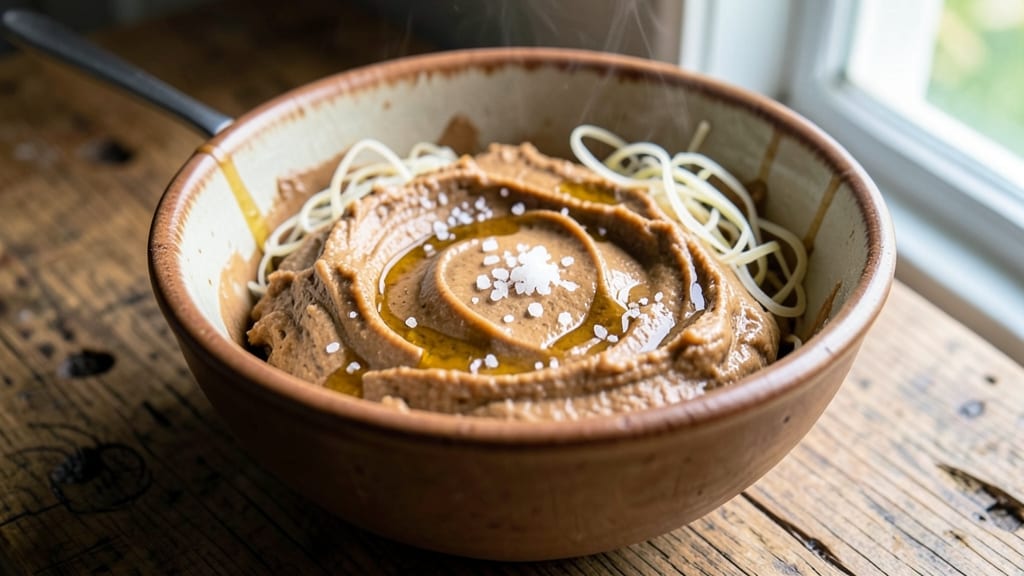
This vegan peanut butter cookie dough recipe delivers all the nutty, rich goodness of classic cookie dough—without a single egg or dairy product. 🌱 The secret lies in a clever combination of aquafaba (chickpea brine) and coconut oil, which mimics the texture and binding properties of traditional recipes while keeping everything plant-based.
What makes this recipe special is how it captures the essence of peanut butter cookie dough: thick, spreadable, and packed with that signature peanut butter flavor.
The dough is safe to eat raw (just store it properly), but if you prefer baked cookies, it transforms into chewy, peanut-buttery treats with crisp edges. No one will guess it's vegan.
The best part? This dough requires just 7 ingredients and comes together in 10 minutes—no chilling required unless you're baking. The flavor is rich, the texture is velvety, and the aroma alone will have your kitchen smelling like a cookie factory.
Perfect for snacking, gifting, or using as an ice cream topping.
Store it in the fridge for up to a week or freeze for months, making it ideal for meal prep or holiday baking. Whether you're vegan, allergic to dairy, or simply craving a nutty treat, this recipe delivers on every level. Let's get started!
Ingredients for vegan peanut butter cookie dough
Seven simple ingredients transform into velvety, nutty cookie dough—vegan, rich, and ready in minutes.
| Ingredient | Amount | Notes |
|---|---|---|
| Creamy Peanut Butter 🥜 | 1 cup | Natural, unsweetened preferred |
| Aquafaba (Chickpea Brine) 🌱 | ½ cup | From canned chickpeas, not drained |
| Coconut Oil 🥥 | ½ cup | Unrefined for best flavor |
| Granulated Sugar 🍚 | ½ cup | Or coconut sugar for refined option |
| Vanilla Extract 🌿 | 1 tbsp | Pure, high-quality preferred |
| Salt 🧂 | ½ tsp | Fine sea salt preferred |
| Unsweetened Cocoa Powder 🍫 | ¼ cup | Dutch-processed for smoother texture |
The peanut butter is the heart of this dough, so natural, unsweetened varieties work best—they're less processed and pack more flavor. Jif Natural or Smucker's Natural are solid choices, but any brand without added sugar or oils will do. Aquafaba is the magic ingredient here, replacing eggs with a stable, frothy texture. Save the brine from a can of chickpeas (like Great Northern or Garbanzo from the bulk section)—no need to strain. For coconut oil, unrefined versions like Virginians Pride add a subtle coconut aroma that complements the peanut butter beautifully.
No aquafaba on hand? Flax eggs (1 tbsp ground flaxseed + 3 tbsp water = 1 egg) work in a pinch, though the texture will be slightly denser. Short on peanut butter? Almond butter or cashew butter at the same quantity adds a different nutty depth. Dutch-processed cocoa powder is ideal for a smoother dough, but natural cocoa will work too—just sift it first to avoid lumps. The vanilla extract should be pure, not imitation. Bourbon-infused vanilla adds a sophisticated twist if you're feeling fancy. For a refined sugar alternative, coconut sugar maintains the caramel notes while lowering the glycemic index.
This dough is safe to eat raw, but it keeps best in the fridge for up to 1 week when stored in an airtight container. For longer storage, portion into ice cube trays or small containers and freeze for up to 3 months. Thaw in the fridge overnight before serving. The dough thickens as it chills, so if it seems too soft after refrigeration, let it sit at room temperature for 10 minutes before scooping. Perfect for snacking, gifting, or using as a cookie dough base—just add chocolate chips if you're baking!
Why You'll Love This Recipe
- No Mixer Needed: I swear by this recipe when my hands are full—just stir the peanut butter, aquafaba, and coconut oil until it’s thick and glossy. No standing over a bowl, no sticky spatulas, just a few minutes of mixing that actually feels satisfying.
- Rich Without the Guilt: That first bite? Pure peanut-buttery bliss, but with none of the dairy or eggs. The coconut oil keeps it tender, the sugar caramelizes just enough, and the vanilla? It’s like a warm hug for your taste buds—no weird aftertaste, just classic cookie dough vibes.
- Dough That Lasts: Honestly, I make a big batch and keep it in the fridge for days. It’s not the kind of thing that dries out or gets weird—just scoop, roll, and bake whenever. (Yes, even on a Tuesday night when you’re craving something sweet but don’t want to think.)
- Pantry Staple Magic: Between us, this recipe uses things you probably already have: peanut butter, chickpea brine (from a can of beans!), and basic sugar. No specialty ingredients, no last-minute grocery runs—just pull it together when the craving hits. Budget-friendly? Absolutely. Reliable? Even more so.
Step-by-step instructions for vegan peanut butter cookie dough
Here's how to create rich, nutty cookie dough without any eggs or dairy.
👨🍳 Step 1: Whip the Aquafaba to Stiff Peaks
In a medium bowl, combine the 0.5 cup aquafaba (chickpea brine)—make sure it's straight from the can, not drained. Using an electric mixer on high speed, whip it for 5-7 minutes until it forms stiff peaks that hold their shape when the whisk is lifted. You'll know it's ready when the mixture looks like fluffy meringue and leaves a trail when you pull the whisk out.
This step mimics the binding properties of eggs. If your aquafaba doesn't thicken after 7 minutes, try using a chilled bowl or adding ½ teaspoon cream of tartar to help stabilize it. Don't skip this—properly whipped aquafaba makes the difference between dough and a sad, crumbly mess.
👨🍳 Step 2: Cream the Peanut Butter and Coconut Oil
In a separate large bowl, combine the 1 cup creamy peanut butter and 0.5 cup coconut oil. Using the same electric mixer on medium speed, beat for 2-3 minutes until completely smooth and creamy. You're looking for a uniform texture without any graininess—this ensures your cookie dough will be silky, not sandy.
I like to use unrefined coconut oil here for its natural peanut-like flavor, but refined works too if you prefer a neutral taste. If your peanut butter is particularly thick, you can gently warm the mixture for 10-15 seconds in the microwave to help it blend more easily. Just don't let it get warm—we want to maintain that cool, dough-like consistency.
👨🍳 Step 3: Mix in Wet and Dry Ingredients
Gradually add the whipped aquafaba to the peanut butter mixture, mixing on low speed for 1 minute to combine gently. Then add the 0.5 cup granulated sugar, 1 tablespoon vanilla extract, and 0.5 teaspoon salt, mixing on medium speed for another 2 minutes until everything is fully incorporated and the dough looks smooth.
In a separate small bowl, whisk together the 0.25 cup unsweetened cocoa powder with 1 tablespoon of the peanut butter mixture to create a paste. This prevents clumping when you add it to the main dough. Then gradually fold in the cocoa mixture, mixing just until combined. The dough should be thick but still pliable—if it's too stiff, add 1 teaspoon of aquafaba at a time until it reaches the right consistency.
🥘 Step 4: Chill and Test for Perfect Texture
Transfer the dough to an airtight container or wrap it tightly in plastic wrap. Refrigerate for at least 1 hour (or up to 3 days) to allow the flavors to meld and the texture to firm up. This chilling step is crucial—it prevents the cookie dough from spreading too much when you bake it and ensures those perfect peanut butter pockets in the center.
Here's the thing—vegan cookie dough behaves differently than traditional dough. After chilling, it should hold its shape when you scoop it but still be soft enough to roll into balls. If it's too crumbly, add 1 teaspoon of aquafaba and mix briefly. If it's too sticky, add 1 tablespoon of cocoa powder and knead gently. The ideal dough should be just firm enough to shape but still hold that classic cookie dough gooeyness.
🔥 Step 5: Bake to Golden Perfection (Optional)
Preheat your oven to 350°F and line a baking sheet with parchment paper. Scoop the chilled dough into 1-tablespoon portions (about 12-16 balls depending on size) and place them 2 inches apart on the prepared sheet. Flatten each ball slightly with your palm—this helps them spread evenly in the oven.
Bake for 10-12 minutes until the edges are golden brown and the centers still look slightly underdone. They'll continue cooking as they cool, so don't overbake. For the classic cookie dough experience, pull them out when the edges are just starting to set but the centers are still soft. Let them cool on the baking sheet for 5 minutes before transferring to a wire rack. Enjoy warm for maximum peanut butter goodness!
Pro Tips For Making Vegan Peanut Butter Cookie Dough
- Whisk Aquafaba Cold: Your chickpea brine should be straight from the fridge—room temperature adds air but ruins the structure. I learned this the hard way when my dough turned into a sad, flat mess because I skipped chilling it first.
- Measure Peanut Butter Precisely: That jarred peanut butter isn’t uniform—spoon it directly into your measuring cup, then level it off with a knife. Packing it in too tight makes your dough dense, and scooping straight from the jar leaves gaps.
- Melt Coconut Oil Slowly: Dump it in the microwave for 15 seconds, then stir—don’t let it get liquid hot. Overheating turns coconut oil greasy, and your dough will taste like a sad, oily peanut butter sandwich instead of rich cookie dough.
- Fold in Vanilla Last: Add it after everything else is mixed, then give it a quick pulse. This keeps the flavor bright and stops it from cooking off before you even taste the dough—trust me, it makes a difference.
Troubleshooting perfect results
Dough Too Crumbly
If your vegan cookie dough turns out crumbly, it’s usually because the aquafaba wasn’t whipped enough or the cocoa powder wasn’t properly incorporated. First, make sure you whipped the aquafaba to stiff peaks—this mimics egg whites’ binding power.
If you’re short on time, try adding 1 teaspoon of warm water or 1 tablespoon of melted coconut oil to gently bring the dough together. For a more permanent fix, chill the dough for an extra 30 minutes to help the fats firm up. 🥥
Dough Too Sticky
Sticky dough happens when there’s too much aquafaba or the coconut oil is too soft. If your dough is clinging to your fingers, try adding 1 tablespoon of cocoa powder at a time while kneading gently until it reaches a workable consistency.
For extra insurance, chill the dough for 1-2 hours before using—this helps the fats set and reduces stickiness. If it’s still too soft, add 1 tablespoon of rolled oats or crushed nuts for texture and structure.
Cookie Dough Spreads Too Much
If your baked cookies spread excessively, it’s likely because the dough wasn’t chilled long enough or the coconut oil was too warm. Always chill the dough for at least 1 hour before baking—this firms up the fats and prevents excessive spreading.
For extra control, flatten the dough balls slightly with your palm before baking. If you’re in a rush, place the dough on a parchment-lined baking sheet and refrigerate for 15 minutes before baking to help it set.
Dough Tastes Bland
Bland flavor usually means the peanut butter or vanilla wasn’t strong enough. Use 100% natural, unsweetened peanut butter (like Jif Natural or Smucker’s) for maximum flavor. For a deeper taste, add ½ teaspoon of cinnamon or ¼ teaspoon of cayenne pepper to the dough.
If you’re using refined coconut oil, swap it for unrefined (like Virginians Pride) for a subtle coconut aroma that complements the peanut butter. A splash of almond extract (½ teaspoon) can also add complexity.
Baked Cookies Too Dense
Dense cookies often result from overmixing or not baking long enough. Mix the dough just until combined—overworking it develops gluten, making cookies tough. Bake for 10-12 minutes at 350°F until the edges are golden but the centers are still soft.
For chewier cookies, slightly underbake them and let them cool on the sheet. If your dough is too thick, add 1 teaspoon of aquafaba to lighten it before baking. 🍪
Dough Doesn’t Hold Shape
If the dough collapses or loses structure, it likely needs more binding. Whip the aquafaba for an extra 2 minutes to ensure stiff peaks. If that doesn’t help, add 1 tablespoon of ground flaxseed (mixed with 2 tablespoons of water to make a flax egg) for extra binding power.
Chill the dough for 2 hours to help it firm up. For a quicker fix, sprinkle a little cocoa powder on your work surface and knead the dough briefly to absorb excess moisture.
Nutrition facts
Frequently asked questions
Can I eat this vegan cookie dough raw?
This recipe is made with safe, plant-based ingredients like aquafaba and coconut oil, so it's safe to enjoy straight from the container. Store it in the fridge for up to 1 week or freeze for 3 months to maintain freshness. The texture stays soft and spreadable when chilled.
What if I don't have aquafaba?
No problem! You can substitute with 1 flax egg (1 tbsp ground flaxseed + 3 tbsp water) or ½ cup unsweetened applesauce. For best texture, add 1 tbsp extra coconut oil to compensate for the moisture difference. The dough will be slightly denser but still delicious.
How do I make this dough nut-free?
Simply replace the peanut butter with 1 cup sunflower seed butter or almond butter. For extra richness, add 1 tbsp tahini to the mix. The texture remains the same, but the flavor will be seed/nut-based instead of peanut-forward. Always check for allergens if sharing with others.
Can I add chocolate chips to this dough?
Yes! Mix in ½ cup vegan chocolate chips or chopped dark chocolate (70% cocoa or higher). For baked cookies, fold them in after combining all wet ingredients. If eating raw, add them last to prevent melting. Pro tip: Use mini chips for even distribution throughout each bite.
Why does my dough taste different from traditional cookie dough?
The flavor profile is intentionally richer and more peanut-forward due to the aquafaba and coconut oil base. Traditional dough uses butter and eggs, which add a lighter, more neutral flavor. This version celebrates peanut butter's natural taste while maintaining that classic cookie dough texture. The cocoa powder also enhances the chocolatey notes.