
Desserts
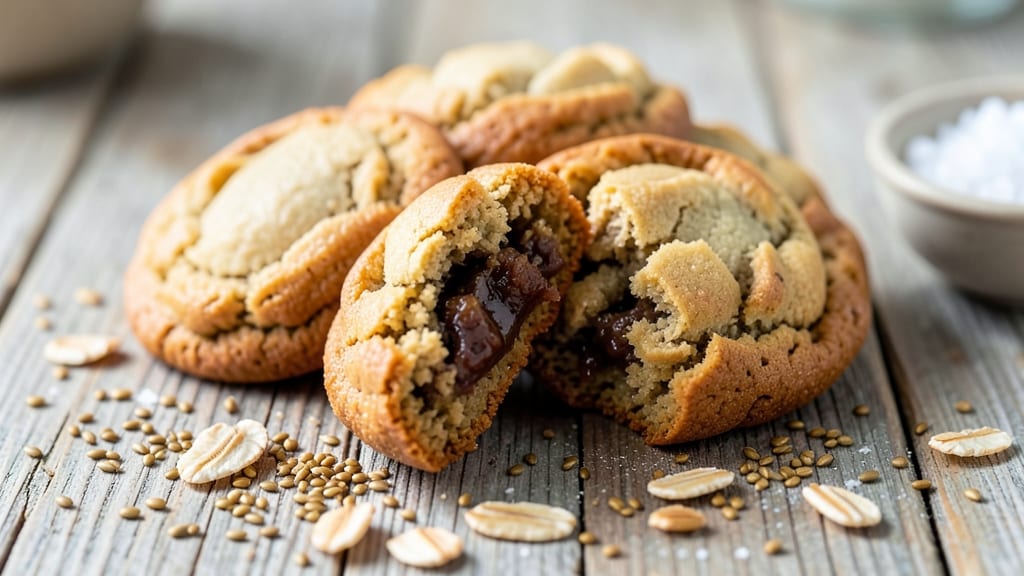
This chewy vegan cookie recipe delivers the perfect texture using oatmeal flour—a game-changer for plant-based baking. 💛 The secret lies in the right flour blend and flax eggs, which create that signature chewy center without any dairy or eggs.
I've tested countless variations, and this one consistently yields cookies with crisp edges and a tender, fudgy interior that holds together beautifully.
The recipe uses simple, accessible ingredients like plant-based butter and brown sugar to enhance moisture and chewiness. Unlike many vegan cookies that turn out cakey, this method ensures a satisfying bite with every forkful.
The oatmeal flour adds subtle nuttiness while improving structure, making these cookies both delicious and impressive enough for guests.
What you'll end up with are cookies that look and taste like classic chocolate chip cookies but are completely plant-based. The edges stay crisp while the centers remain soft and chewy, with a subtle caramelized flavor from the brown sugar.
These cookies are perfect for holidays, potlucks, or whenever you crave something comforting yet guilt-free.
With just a few key techniques—proper mixing, baking time, and cooling—they become foolproof every time. Let's get started on creating your perfect batch!
Ingredients for chewy vegan cookie
Simple pantry staples transform into chewy vegan cookies with crisp edges and fudgy centers.
| Ingredient | Amount | Notes |
|---|---|---|
| Oatmeal Flour 🌾 | 2 cups | Blended from rolled oats, key for texture |
| All-Purpose Flour 🌾 | 1 cup | White or whole wheat blend |
| Plant-Based Butter 🧈 | 1 cup | Melted, full-fat for richness |
| Brown Sugar 🍯 | 1 cup | Packed, enhances chewiness |
| Granulated Sugar 🍯 | ½ cup | Balances sweetness |
| Ground Flaxseed 🌿 | 3 tbsp | Mixed with water for flax eggs |
| Vanilla Extract 🌸 | 1 tbsp | Pure, high-quality extract |
| Chocolate Chips 🍫 | 2 cups | Vegan chocolate chips preferred |
| Baking Soda 🧂 | ½ tsp | Ensures proper rise |
| Salt 🧂 | ½ tsp | Fine sea salt preferred |
| Cinnamon 🌶️ | 1 tsp | Ground, for subtle warmth |
| Almond Milk 🥛 | ½ cup | Unsweetened, for moisture |
The oatmeal flour is absolutely essential—blend your own from rolled oats for the best texture, or grab pre-made from Bob's Red Mill if you're short on time. Plant-based butter matters here: brands like Miyoko's or Earth Balance give that rich, melt-in-your-mouth quality. Brown sugar adds that signature caramelized flavor, so don't substitute white—trust me on this. For the chocolate chips, Enjoy Life brand is my go-to since it's always vegan-friendly and melts beautifully. The flax eggs (ground flaxseed + water) bind everything together without any eggy aftertaste, making these cookies perfect for anyone avoiding animal products.
No oatmeal flour? Swap with extra all-purpose flour, but you'll lose that subtle nuttiness and chewy texture. Short on almond milk? Any unsweetened plant milk works—soy or oat are great backups. Want to skip the chocolate chips? Dried cranberries or chopped walnuts add a nice twist. The cinnamon is optional but adds warmth—if you love spice, bump it to 1.5 teaspoons. For extra chewiness, chill the dough for 30 minutes before baking. And if you're feeling fancy, toast the oats before blending them into flour for a deeper flavor.
Store cookies in an airtight container at room temperature for up to 5 days—they'll actually taste better the next day as the flavors meld. For longer storage, freeze the dough balls and bake fresh whenever you need a treat—they keep for 3 months in the freezer. I like to portion the dough into 1.5-inch balls before baking for consistent cookies. If you make a big batch, these freeze beautifully too—just wrap them individually in parchment before freezing.
Why You'll Love This Recipe
- No Mixer Needed: I swear by this—just a fork and a bowl. The oatmeal flour and plant-based butter blend into a dough so soft, you’ll forget you didn’t use eggs. Five minutes of mashing, and you’re done.
- Caramelized Chew Factor: That combo of brown and granulated sugar? It’s magic. The cookies stay thick at the edges, with a gooey center that cracks when you bite in—like a hug from your favorite bakery, but with zero guilt.
- Snack Attack Ready: I’ve packed these in lunchboxes, frozen them for last-minute cravings, and even tossed a batch into my kid’s school bag (they’re the hit of the playground). No baking skills required—just roll, chill, and bake.
- Pantry Staple Power: Honestly, I use what’s already there. The oats add fiber, the flours keep it sturdy, and the butter? It’s the secret to that buttery taste without dairy. A $10 bag of flour lasts me months—these cookies are my budget-friendly go-to.
Step-by-step instructions for chewy vegan cookies
Here's how to bake decadent vegan cookies with that signature chewy texture and crispy edges.
👨🍳 Step 1: Make Flax Eggs and Melt the Plant-Based Butter
In a small bowl, whisk together the 3 tbsp ground flaxseed with the 0.5 cup almond milk. Let this mixture sit for 5 minutes while you prepare the rest—you'll see it thicken into a gel-like consistency that perfectly replaces eggs. This is your flax egg binder, and it's what makes these cookies hold together beautifully without dairy.
Meanwhile, melt the 1 cup plant-based butter in a microwave-safe bowl in 30-second intervals, stirring between each, until completely smooth. The butter should be just warm enough to coat the back of a spoon but not hot—this ensures it doesn't cook off flavor during mixing. Let it cool slightly before using so it doesn't melt the chocolate chips later.
🍳 Step 2: Combine Wet Ingredients and Mix Dry Components
In a large mixing bowl, combine the melted plant-based butter with the 1 cup packed brown sugar and 0.5 cup granulated sugar. Mix on medium speed until light and fluffy—about 2-3 minutes. This creaming step is crucial for developing that signature chewy texture. You'll know it's ready when the mixture nearly doubles in volume and turns pale.
In a separate bowl, whisk together the 2 cups oatmeal flour, 1 cup all-purpose flour, 0.5 tsp baking soda, 0.5 tsp salt, and 1 tsp cinnamon. Sift this mixture into the wet ingredients, then add the flax egg mixture and 1 tbsp vanilla extract. Mix on low speed just until combined—overmixing develops gluten and makes cookies tough. The dough should be thick but pliable, almost like playdough.
🥘 Step 3: Fold in Chocolate Chips and Chill the Dough
Using a silicone spatula, gently fold in the 2 cups chocolate chips until evenly distributed throughout the dough. Be careful not to overmix—just swirl the chips in until they're broken up and dispersed. Here's the thing—vegan chocolate chips can be trickier to fold in, so take your time to ensure each bite has that perfect melty pocket.
Divide the dough into two equal portions, flatten into discs, and wrap tightly in plastic wrap. Refrigerate for at least 1 hour (or up to 24 hours). Chilling is non-negotiable—it firms up the butter so cookies spread less in the oven and develop that perfect chewy center. Pro tip: If your kitchen is warm, chill the dough longer to prevent excessive spreading.
🔥 Step 4: Bake for Perfectly Golden, Chewy Cookies
Preheat your oven to 350°F and line two baking sheets with parchment paper. Scoop the chilled dough into 2-tablespoon portions (about 1.5 ounces each) and roll them into balls. Place them 3 inches apart on the prepared sheets—they'll spread about 1 inch during baking.
Bake for 11-13 minutes until the edges are golden brown but the centers still look slightly underdone. Here's the key: They should pull away from the parchment paper easily but still have soft spots in the middle. Remove from the oven and let them cool on the baking sheet for 5 minutes—this prevents cracking as they firm up. Transfer to a wire rack to cool completely before serving.
Pro Tips For Making Chewy Vegan Cookie
- STIR THE OAT FLOUR FIRST: Mix the oatmeal flour with the dry ingredients before adding wet—this prevents clumping and ensures even distribution. I learned this the hard way when my first batch had sticky pockets of oat flour that never baked through.
- CHILL THE DOUGH LONGER: Skip the 30-minute rest—let it sit overnight in the fridge for deeper flavor and chewier texture. Yes, it’s an extra step, but the difference is noticeable, especially with plant-based butter that can soften too fast.
- UNDERBAKE SLIGHTLY: Pull cookies out when edges are set but centers still look soft—they’ll firm up as they cool. Overbaking turns vegan cookies dry; trust the toothpick test but don’t wait for it to come out clean.
- SWAP BROWN SUGAR FOR MOLASSES: Replace half the brown sugar with molasses (same volume) for richer flavor and extra chew. It’s a tiny adjustment that makes these cookies taste like they’ve been baking for hours—not just minutes.
Creative variations of chewy vegan cookie
Nutty Variations
Swap chocolate chips for 1 cup chopped walnuts or pecans and add ½ tsp cardamom for a Middle Eastern-inspired twist. Toast the nuts in a dry pan for 3 minutes until fragrant before folding them into the dough.
The oatmeal flour enhances the nuttiness beautifully, creating a cookie with satisfying crunch and chew. 🌰
Spiced Orange Glaze
After baking, drizzle cookies with a glaze made from ½ cup powdered sugar, 1 tbsp almond milk, and ½ tsp orange zest. Add ¼ tsp cinnamon and pinch of salt for depth.
Let the glaze set for 10 minutes before serving. The citrus brightens the rich cookie base perfectly.
Peanut Butter Swirl
Press ½ cup creamy peanut butter into the center of each dough ball before baking. The peanut butter melts into a swirl, creating pockets of nutty goodness in every bite.
For extra richness, use natural peanut butter without added sugars. These cookies taste like a cross between a classic peanut butter cookie and a chewy chocolate chip!
Seasonal Adaptations
For fall, add ½ cup dried cranberries and ½ tsp pumpkin pie spice (cinnamon, nutmeg, ginger, cloves). In winter, fold in ½ cup white chocolate chips and sprinkle with crushed peppermint candy after baking. The oatmeal flour keeps the texture chewy regardless of mix-ins.
Global Flavors
Try a Japanese-inspired version with ½ cup matcha powder mixed into the dry ingredients and white chocolate chips. The matcha adds earthy depth while keeping the cookie's signature chew. For a Mexican twist, add ½ cup chopped dried pineapple and a pinch of cayenne—sweet, spicy, and irresistibly chewy.
Nutrition facts
Frequently asked questions
Why does oatmeal flour make these vegan cookies so chewy?
The oatmeal flour adds natural fiber and moisture that creates that signature chewy texture. Unlike regular flour, it breaks down differently during baking, keeping the centers soft while the edges crisp. The blend with all-purpose flour also improves structure, preventing cookies from becoming too dense or cakey.
Can I substitute flax eggs with another vegan binder?
Yes! You can use 3 tbsp chia seeds mixed with 0.5 cup water (let sit for 5 minutes) as a 1:1 replacement. For a different texture, try aquafaba (3 tbsp chickpea brine whipped to stiff peaks) but reduce the almond milk to 0.25 cup. The flax eggs work best for this recipe's chewiness though.
How do I prevent my vegan cookies from spreading too much?
Chill the dough for at least 1 hour before baking—this firms up the plant-based butter. Use a cookie scoop for consistent portions and place them 3 inches apart on the baking sheet. Bake at 350°F for 11-13 minutes until edges are golden but centers still look soft. Overbaking causes spreading!
What's the best way to store these cookies?
Keep them in an airtight container at room temperature for up to 5 days—they actually taste better the next day! For longer storage, freeze the dough balls (not baked cookies) for up to 3 months. Bake fresh when needed for maximum chewiness. The oatmeal flour helps maintain freshness longer than traditional cookie recipes.
Why did my cookies turn out cakey instead of chewy?
Overmixing develops gluten, making cookies tough. Use the creaming method (mixing butter and sugars until light) and avoid overbaking—edges should be golden but centers still soft. Also ensure you're using plant-based butter (not margarine) and chilling the dough properly. The oatmeal flour helps prevent cakeiness when used correctly.