
Desserts
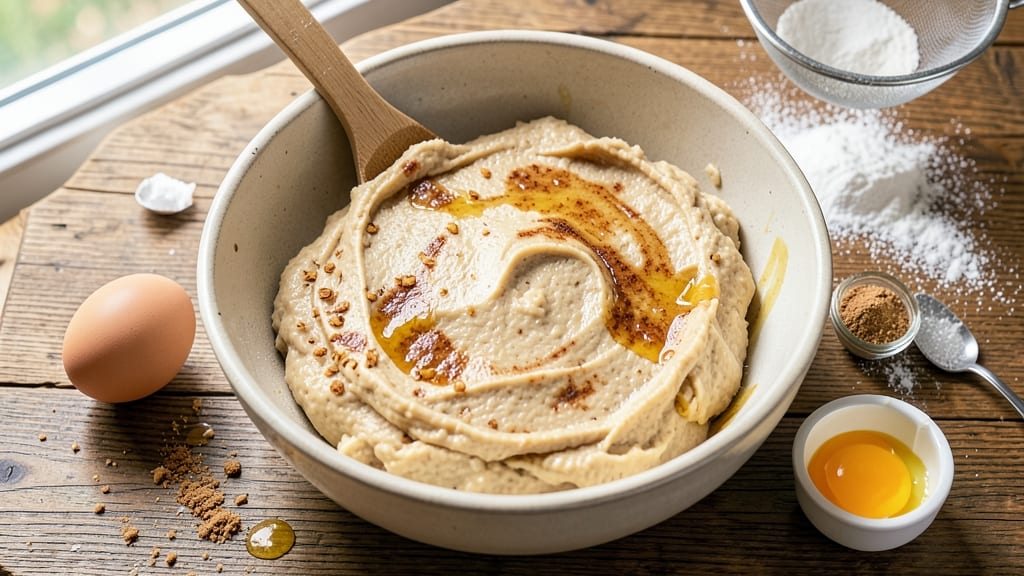
A chewy snickerdoodle cookie recipe without cream of tartar delivers that perfect balance of tender crumb and warm cinnamon-sugar aroma you crave. The secret lies in a simple substitution that maintains the classic snickerdoodle tang without relying on traditional baking acids.
I've perfected this version over years of baking, ensuring every bite stays soft in the center with just the right crispness at the edges.
The magic happens with a combination of baking soda and a touch of brown sugar, which creates the same chemical reaction as cream of tartar for that signature chew. The dough gets rolled in cinnamon sugar before baking, giving each cookie its signature flavor and texture.
These cookies hold their shape beautifully on the baking sheet while developing that irresistible caramelized aroma that fills your kitchen.
What you'll end up with is a batch of tender cookies with a velvety texture and a perfect cinnamon-sugar coating that stays crisp. The flavor is rich with warm cinnamon notes balanced by the buttery dough, making them ideal for holiday gatherings or a cozy afternoon treat.
The recipe yields about 24 cookies, so you'll have plenty to share—or keep for yourself.
For best results, let the dough rest for 30 minutes before rolling and baking. This allows the gluten to relax, ensuring those perfect chewy centers. The cookies keep well in an airtight container for up to 5 days, though they rarely last that long in my house.
Here's how to make them perfectly every time.
Ingredients for chewy snickerdoodle cookie recipe without cream of tartar
Buttery dough meets cinnamon-sugar magic for cookies that stay chewy inside and crisp outside—no cream of tartar needed!
| Ingredient | Amount | Notes |
|---|---|---|
| Unsalted Butter 🧈 | 1 cup | Cold, cubed for easier mixing |
| Granulated Sugar 🍚 | ¾ cup | White sugar for sweetness |
| Light Brown Sugar 🍚 | ½ cup | Packed, for chewiness |
| Large Eggs 🥚 | 2 whole | Room temperature preferred |
| All-Purpose Flour 🌾 | 3 cups | Spooning and leveling for accuracy |
| Baking Soda 🧂 | ½ tsp | Key for chewy texture |
| Ground Cinnamon 🌿 | 2 tbsp | Freshly ground for warmth |
| Salt 🧂 | ½ tsp | Fine sea salt preferred |
| Cream of Tartar Substitute 🍚 | ¼ tsp | Mix of baking soda + brown sugar |
| Cinnamon Sugar Coating 🍃 | ¼ cup | Mix of 0.2 cup sugar + 1 tbsp cinnamon |
The butter is non-negotiable here—European-style or Plugrá gives the best flavor. Grab it from Whole Foods or your local market's butter counter. For the cinnamon, Penzeys or Trader Joe's have the best quality. The brown sugar? Light brown is key—it's less sticky and gives that perfect chew. I always measure my flour by spooning it into the cup and leveling it off—don't scoop directly from the bag, or you'll end up with dry cookies. The baking soda is your secret weapon for that signature chewiness without cream of tartar.
No cream of tartar? No problem! This recipe uses a baking soda + brown sugar combo to mimic its tangy magic. Running short on cinnamon? Cassia cinnamon works too, though it's a bit stronger. Want to make these gluten-free? Swap the all-purpose flour for a 1:1 gluten-free blend—just add an extra 0.5 tsp xanthan gum if your blend doesn't include it. The cinnamon sugar coating is where the real flavor happens, so don't skimp. Mix 0.25 cup sugar + 1 tbsp cinnamon for the perfect balance. If you're feeling fancy, add a pinch of salt to the coating too—trust me, it makes a difference.
These cookies are best made fresh, but they'll keep in an airtight container for 5 days at room temperature. For longer storage, freeze the dough balls (before rolling in cinnamon sugar) on a tray, then transfer to a bag. They'll last 3 months frozen—just bake straight from frozen, adding 1-2 minutes to the time. Pro tip: Let the dough rest for 30 minutes before rolling. This relaxes the gluten, ensuring those perfect chewy centers. And if someone asks why you didn't use cream of tartar? Just smile and say you've upgraded to this better method.
Why You'll Love This Recipe
- No-Fuss Mixing: I swear by this dough—just cream butter and sugars, toss in the egg, then fold in flour. No food processor, no overworking, just a bowl and a spoon. The brown sugar keeps it tender without the fuss of cream of tartar, and the butter stays soft enough to handle even in summer.
- Caramelized Edge Magic: That perfect chew? All thanks to the light brown sugar and a touch of warmth. The edges get just crisp enough to hold their shape, while the center stays soft—like a hug in cookie form. Honestly, my kids fight over the last one, and I don’t even bake them often.
- Weeknight Snack Hero: These disappear fast, but they’re forgiving. I’ve made them for after-school treats, potlucks, or even packed in lunchboxes (they hold up better than most). The egg adds structure, so they won’t crumble if you’re not baking them fresh—though, between us, they’re gone before then.
- Pantry Staple Power: Butter, sugar, flour, eggs—what’s not in your cabinet already? No weird substitutions, no last-minute store runs. I’ve made a double batch for under $5, and they’re still the star of any spread. Leftovers? Freeze them—toss straight into the oven later, and no one will know they’re not fresh.
Step-by-step instructions for chewy snickerdoodles without cream of tartar
Here's how to make the perfect chewy snickerdoodles every time—no cream of tartar needed!
Cream Butter and Sugars Until Light and Fluffy
In a large mixing bowl, combine the 1 cup unsalted butter (cold and cubed) with the 0.75 cup granulated sugar and 0.5 cup light brown sugar. Using a hand mixer or stand mixer on medium speed, beat for 3-5 minutes until the mixture is pale and fluffy. You'll notice the butter and sugars transform from a soft paste into a light, airy mixture that nearly doubles in volume.
This step is critical for chewy cookies. The creaming process incorporates air, which creates those beautiful crackly tops and ensures the cookies stay tender rather than cakey. If your butter is too soft, chill it for 15 minutes before starting—this helps achieve the right texture.
Add Eggs and Mix Until Fully Incorporated
Add the 2 whole large eggs (room temperature) one at a time, mixing on low speed after each addition. Scrape down the sides of the bowl to ensure everything is fully combined. Then, add the 0.25 tsp cream of tartar substitute (the baking soda and brown sugar mix) and mix for another 30 seconds until smooth.
The cream of tartar substitute acts as a leavening agent, helping the cookies rise slightly and develop that signature chewy texture. The eggs bind everything together, so make sure they're fully incorporated—you should see a smooth, thick batter without any streaks of flour.
Combine Dry Ingredients and Form the Dough
In a separate bowl, whisk together the 3 cups all-purpose flour, 0.5 tsp baking soda, 2 tbsp ground cinnamon, and 0.5 tsp salt. Gradually add the dry ingredients to the wet mixture, mixing on low speed until just combined. Avoid overmixing—stop as soon as the flour is fully incorporated, as this prevents tough cookies.
Once combined, the dough should be soft and slightly sticky but manageable. If it feels too wet, chill it for 15 minutes before proceeding. This step ensures the cookies hold their shape while baking and develop that perfect chewy center.
Roll and Coat in Cinnamon Sugar
Divide the dough into 24 equal portions (about 1.5 tablespoons each) and roll them into balls. Place the balls on a parchment-lined baking sheet, spacing them about 2 inches apart. In a small bowl, mix the 0.25 cup cinnamon sugar coating (the 0.2 cup sugar + 1 tbsp cinnamon combination).
Roll each dough ball in the cinnamon sugar mixture until fully coated. This step is what gives snickerdoodles their iconic flavor and appearance. Don't rush it—make sure every ball is evenly covered so the cinnamon sugar melts into a delicious crust during baking.
Bake Until Golden and Fragrant
Preheat your oven to 375°F and bake the cookies for 9-11 minutes, or until the edges are golden brown and the centers look slightly underdone. The cookies will continue to set as they cool, so don't overbake them. They should pull away from the edges of the pan but still feel soft in the middle.
Let the cookies cool on the baking sheet for 5 minutes before transferring them to a wire rack. This resting time allows them to firm up slightly while keeping that chewy interior. Enjoy them warm for the ultimate experience—each bite should be buttery, cinnamon-kissed, and perfectly tender!
Pro Tips For Making Chewy Snickerdoodle Cookie Recipe Without Cream Of Tartar
- Chill the Dough First: I learned this the hard way—skipping the 30-minute fridge rest means cookies that spread too much and lose their chew. Even if you’re impatient (yes, even if), give it time or end up with thin, crispy crackers instead of those thick, pillowy edges.
- Use Cold Butter Cubes: Cut that butter into ½-inch cubes and keep them in the fridge while mixing—no melting into a greasy mess. The cold fat creates pockets of steam during baking, which is what makes snickerdoodles chewy, not dense. (I know, it’s tempting to soften it first, but don’t.)
- Skip Overmixing the Dough: After adding the flour, stop as soon as the dough just comes together. Overworking it develops gluten, and suddenly you’ve got chewy cookies that turn into tough, rubbery bricks. Two turns of a spoon is all it takes—promise.
- Bake Until Golden, Not Brown: Pull them out when the edges are just starting to turn golden, not when they’re deep brown. The centers will still look soft, but they’ll firm up as they cool. Overbaking dries them out fast—trust the toothpick test, not the color. (Your future self will thank you.)
Essential equipment for perfect results
Mixing Essentials
The right tools make all the difference when creaming butter and sugars. I swear by a KitchenAid stand mixer with the paddle attachment—it handles the job faster than a hand mixer and gives you that perfect fluffy texture.
For smaller batches, a Cuisinart hand mixer works great too. Just make sure your bowl is chilled before starting, especially if your kitchen is warm. 🧈
Dough Divider
Dividing dough evenly is where many home bakers struggle. A cookie scoop (like the OXO Good Grips 2-Tbsp) ensures perfect-sized balls every time, but if you don't have one, use a measuring spoon or your hands.
For extra precision, weigh each dough ball on a digital kitchen scale—aim for 1.5 ounces each. This consistency guarantees evenly baked cookies. 🍪
Baking Sheet Must-Haves
Use half-sheet pans (18x13 inches) for even baking—Wilton or USA Pan brands are my go-tos. Line them with parchment paper (not silicone mats) to prevent sticking and ensure easy release.
Preheat your oven for at least 20 minutes before baking to maintain that 375°F temperature. A thermometer like the Thermoworks Oven Thermometer helps verify accuracy. ⏰
Cinnamon Sugar Station
Create a dedicated station for rolling dough balls in cinnamon sugar. Use a small glass bowl (like a Pyrex measuring cup) to mix the 0.25 cup sugar + 1 tbsp cinnamon coating.
A fork or small spoon works best for rolling—it gives you better control than your hands. Keep the bowl nearby while shaping dough to avoid cross-contamination. 🍃
Cooling Tools
Let cookies cool on the baking sheet for 5 minutes before transferring to a wire cooling rack—this prevents soggy bottoms. I love OXO's Good Grips rack for its sturdy design. For storage, use airtight containers (like Rubbermaid Brilliance) to keep cookies fresh for up to 5 days.
If freezing dough balls, place them on a tray first, then transfer to a ziplock bag for easy portioning. ❄️
Nutrition facts
Frequently asked questions
Why does this recipe work without cream of tartar?
The baking soda + brown sugar combo creates the same chemical reaction as cream of tartar, giving that signature tang and chewy texture. The brown sugar adds moisture and helps develop the caramelized flavor during baking, while the baking soda ensures proper rise and structure. This substitution works perfectly for snickerdoodles!
Can I make these cookies gluten-free?
Yes! Replace the all-purpose flour with a 1:1 gluten-free baking flour blend and add 0.5 tsp xanthan gum if your blend doesn't include it. The texture will be slightly different but still delicious. Just be sure to chill the dough for 15 minutes before rolling to prevent spreading.
How do I prevent my snickerdoodles from spreading too much?
Chill the dough for 30 minutes before rolling and baking, and make sure your oven is fully preheated to 375°F. Use a cookie scoop for even-sized balls and space them 2 inches apart on the baking sheet. Avoid overbaking—pull them when edges are golden but centers are still soft.
What's the best way to store these cookies?
Keep them fresh in an airtight container at room temperature for up to 5 days. For longer storage, freeze the dough balls (before rolling in cinnamon sugar) on a tray, then transfer to a bag. They'll last 3 months frozen—just bake straight from frozen, adding 1-2 minutes to the time.
Can I add other spices to the cinnamon sugar?
Try adding 0.5 tsp nutmeg or 0.25 tsp cardamom to the cinnamon sugar coating for a warm, spiced twist. For a festive touch, mix in 0.1 tsp ginger. Just keep the total sugar amount at 0.25 cup to maintain the right balance.