
Desserts
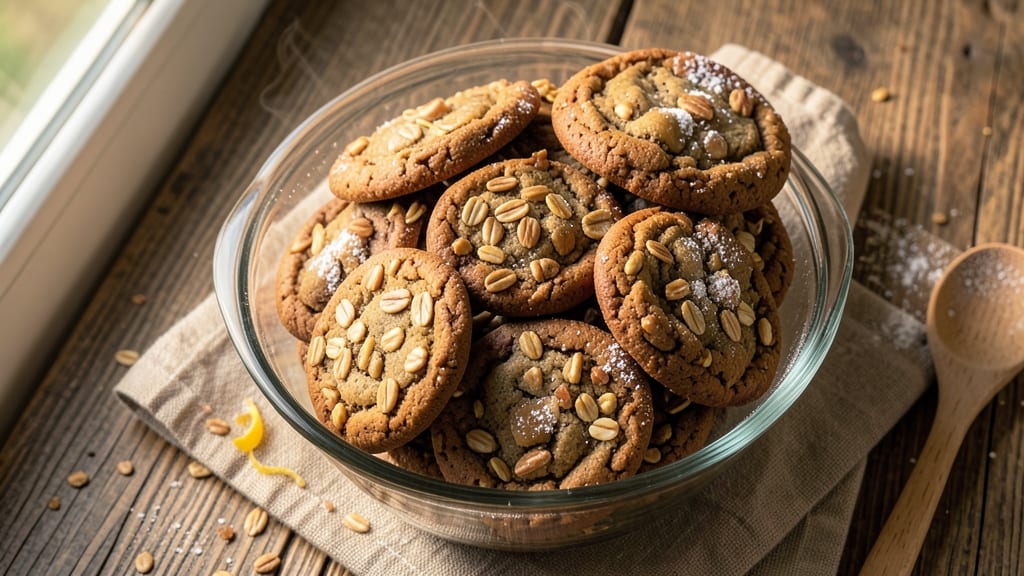
This chewy oatmeal cookie recipe delivers the perfect balance of crispy edges and caramelized centers, all thanks to rolled oats and a precise technique. 💛 The secret lies in using a combination of brown and white sugar for that signature chewy texture, while the rolled oats add a satisfying crunch that disappears with each bite.
I've perfected this recipe over years of baking, ensuring every batch turns out just right.
What makes these cookies truly special is the way the rolled oats transform during baking, creating pockets of crispiness while the centers remain soft and gooey. The recipe calls for simple ingredients—flour, butter, sugar, eggs, and vanilla—but the technique is what elevates them to restaurant-quality status.
With just 15 minutes of prep and 12 minutes in the oven, you'll have a batch of cookies that taste like they've been baking all day.
The result is a cookie that's tender yet sturdy, with a caramelized center that clings to your spoon when you pull it from the oven. The rolled oats add a delightful texture contrast, ensuring every bite is a mix of chewy, crunchy, and sweet.
These cookies are perfect for sharing, gifting, or enjoying with a glass of cold milk.
Optional add-ins like chocolate chips, nuts, or dried fruit can customize the flavor, but the base recipe stands strong on its own. Store them in an airtight container for up to a week, though they rarely last that long. Let's get baking!
Ingredients for chewy oatmeal cookie recipe with rolled oats
Simple ingredients, expert technique—these rolled oats and sugars create the perfect chewy texture.
| Ingredient | Amount | Notes |
|---|---|---|
| Rolled Oats 🌾 | 1 ½ cups | Old-fashioned, not quick oats |
| All-Purpose Flour 🌾 | 2 cups | Sifted for even texture |
| Unsalted Butter 🧈 | 1 cup | Cold, cubed for even mixing |
| Brown Sugar 🍚 | 1 cup | Packed firmly for accuracy |
| White Sugar 🍚 | ½ cup | Granulated, not powdered |
| Large Eggs 🥚 | 2 whole | Room temperature for even baking |
| Pure Vanilla Extract 🌿 | 2 tsp | High-quality, not imitation |
| Baking Soda 🧂 | 1 tsp | Ensures proper rise |
| Salt 🧂 | ½ tsp | Diamond Crystal preferred |
| Semisweet Chocolate Chips 🍫 | 1 cup | Optional but recommended |
| Chopped Walnuts 🌰 | ½ cup | Optional for texture |
Rolled oats are the star here—Quaker Old-Fashioned is my go-to, but any brand works. The brown sugar gives that signature chewy bite, while the white sugar keeps the edges crisp. Butter matters too: European-style (like Plugrá) has more flavor, but regular unsalted works fine. For the chocolate chips, Ghirardelli or Nestlé Toll House are reliable, but any high-quality brand will do. Walnuts add crunch, but skip them if you prefer a softer cookie.
No rolled oats? Quick oats work in a pinch, but texture will differ. Short on brown sugar? Substitute white sugar plus 1 tsp molasses for depth. The vanilla extract should be pure—imitation vanilla won’t cut it. For extra richness, swap half the butter for brown butter (cook until nutty). If you love caramel flavor, add 1 tsp vanilla bean paste instead of extract. And if chocolate chips aren’t your thing, try white chocolate or dried cranberries for a twist.
Butter and eggs should sit at room temperature for 30 minutes before mixing. Store dough in the fridge for up to 48 hours—it actually improves flavor. Baked cookies keep in an airtight container for 5-7 days at room temperature or 3 months frozen. For extra chewiness, bake an extra 1-2 minutes past the recommended time. These cookies reheat beautifully—just 10 seconds in the microwave with a damp paper towel.
Why You'll Love This Recipe
- Here’s what sold me: the brown sugar caramelizes just enough to give these cookies that deep, buttery crunch, while the rolled oats keep them soft and satisfying. Not too sweet, not too dry—just that perfect balance where every bite feels like a hug.
- No Mixer Needed: I swear by this recipe because it’s actually mixable by hand—no food processor, no fancy tools. Just a bowl, a fork, and 5 minutes of mashing rolled oats into the butter until it looks like wet sand. The texture comes from the oats absorbing the melted butter and sugars, so no overworking required.
- Chewy Magic: Here’s what sold me: the brown sugar caramelizes just enough to give these cookies that deep, buttery crunch, while the rolled oats keep them soft and satisfying. Not too sweet, not too dry—just that perfect balance where every bite feels like a hug.
- Pantry Staples Only: Honestly, if you’ve got flour, sugar, and butter, you’re already halfway there. Rolled oats are the only “special” ingredient, and they’re cheaper than chips at my grocery store. Plus, the dough’s forgiving—too much flour? No big deal. Too little? Still comes out fine.
Step-by-step instructions for chewy oatmeal cookies
Here's the method for perfectly chewy oatmeal cookies with crisp edges and caramelized centers.
👨🍳 Step 1: Cream Butter and Sugars for Maximum Flavor
In a stand mixer fitted with the paddle attachment, combine the 1 cup unsalted butter, 1 cup brown sugar, and 0.5 cup white sugar. Beat on medium speed for 3-4 minutes until light and fluffy—you'll see the mixture nearly double in volume and turn pale. This creaming process incorporates air, which creates those signature chewy pockets in the finished cookies.
I press down on the butter mixture occasionally to ensure even mixing, especially when the sugars start dissolving. The butter should be completely smooth with no visible lumps. This is your foundation—don't rush this step. The texture you achieve now directly impacts how tender and chewy your cookies will be.
👨🍳 Step 2: Add Eggs and Vanilla for Structure
Add the 2 whole large eggs one at a time, mixing on low speed for 30 seconds after each addition. Then stir in the 2 teaspoons pure vanilla extract until fully combined. The mixture might look slightly curdled at first, but don't worry—this will smooth out once we add the dry ingredients.
Here's the thing—using room temperature eggs prevents them from cooking too quickly in the oven, which could lead to dense cookies. If your eggs are cold, let them sit at room temperature for 15-20 minutes before using. The vanilla extract should be high-quality; imitation won't provide the same depth of flavor in the final product.
👨🍳 Step 3: Combine Dry Ingredients and Oats
In a separate bowl, whisk together the 2 cups all-purpose flour, 1 teaspoon baking soda, and 0.5 teaspoon salt. Gradually add this mixture to the wet ingredients, mixing on low speed until just combined. You should still see some flour streaks—overmixing develops gluten, which makes cookies tough instead of chewy.
Remove the bowl from the mixer and fold in the 1.5 cups rolled oats, 1 cup semisweet chocolate chips, and 0.5 cup chopped walnuts using a silicone spatula. I like to press the oats and chocolate chips into the dough slightly so they're evenly distributed throughout. The oats will give your cookies that signature chewy texture and crunchy edges, while the walnuts add a nice contrast in both texture and flavor.
⏰ Step 4: Chill the Dough for Perfect Texture
Cover the bowl with plastic wrap and refrigerate for at least 30 minutes—I prefer 1 hour or even overnight. This chilling step is crucial. It allows the flour to fully hydrate, prevents excessive spreading in the oven, and helps create those beautiful caramelized centers. Cold dough also means the cookies hold their shape better when they hit the hot oven.
I press down on the dough in the bowl before chilling to create a more compact shape, which helps prevent the cookies from spreading too thin. If you're short on time, you can freeze the dough balls for 15 minutes instead of chilling, but the texture won't be quite as perfect.
🔥 Step 5: Bake to Golden Perfection
Preheat your oven to 375°F and line two baking sheets with parchment paper. Using a cookie scoop or tablespoon, portion the chilled dough into 1.5-tablespoon balls (about 1.5 ounces each) and place them 3 inches apart on the prepared sheets. The dough will be cold and firm—this is normal and ensures proper spreading.
Bake for 10-12 minutes until the edges are golden brown and the centers look slightly underdone. They'll continue cooking on the hot pan after you remove them from the oven. The tops should be cracked with caramelized centers—this is what gives these cookies their signature chewy texture. Let them cool on the baking sheet for 5 minutes before transferring to a wire rack to cool completely.
Pro Tips For Making Chewy Oatmeal Cookie Recipe With Rolled Oats
- Pulse Oats First: Toss the rolled oats in the food processor and give them a quick pulse—just until they’re roughly chopped but still textured. This breaks down the tougher bits without turning them into flour, so your cookies stay chewy instead of dense. (Yes, even if you’re impatient like me, resist the urge to over-process.)
- Chill the Dough: My grandmother swore by this, and she was right: let the dough rest in the fridge for at least 30 minutes before baking. The butter firms up, the oats absorb moisture, and the cookies spread just enough to get that perfect thick edge without turning into pancakes.
- Skip the Overmixing: Once you add the wet ingredients, stir just until combined—lumps and all. Overmixing develops the gluten, and that’s how you end up with tough cookies instead of the soft, chewy texture you’re after. (Your future self will thank you.)
- Use Cold Butter: Don’t let the butter soften too much before creaming it with the sugars. Cut it into small cubes and mix it in until it’s just starting to clump—this keeps the cookies tender. Sounds weird, but it works: room-temp butter makes for cakey, not chewy, results.
Perfect pairings for chewy oatmeal cookie recipe with rolled oats
Classic Milk Pairing
These chewy oatmeal cookies were practically designed for a glass of cold milk. I always reach for whole milk—its richness complements the caramelized centers and nutty oats perfectly. For a richer experience, try 2% or chocolate milk—the slight sweetness enhances the cookie's natural flavors.
Serve the cookies warm straight from the oven for that perfect milk-soaked moment. 💛
Creamy Coffee Match
Pair your cookies with a hot cup of coffee for the ultimate dessert experience. I love a medium-roast dark coffee like Starbucks Sumatra or Peet's Major Dickason's Blend—the bold flavors cut through the sweetness beautifully.
For espresso lovers, a flat white with whole milk creates a creamy contrast. The caffeine helps balance the richness of the cookies, making them feel lighter.
Iced Tea Contrast
For a refreshing twist, serve these cookies with sweet iced tea. A Southern-style sweet tea with lemon slices provides a perfect balance—the acidity cleanses your palate between bites.
Iced hibiscus tea or peach iced tea also work beautifully, especially during summer months. The cool temperature of the tea makes each bite of warm cookie even more satisfying.
Warm Spiced Cider
When autumn rolls around, I switch to warm apple cider with a cinnamon stick. The natural sweetness of the cider enhances the cookie's caramel notes, while the cinnamon adds warmth.
For extra coziness, add a splash of bourbon (about 1/4 cup) to the cider before serving. This pairing is perfect for holiday gatherings or chilly evenings by the fire.
Decaf Chocolate Milk
For a late-night treat, I recommend decaf chocolate milk—it satisfies chocolate cravings without the caffeine. The dark chocolate chips in the cookies pair beautifully with the milk's cocoa flavor.
Warm the milk slightly (just enough to dissolve the chocolate) for an extra indulgent experience. This combination is perfect for cookie lovers who enjoy dessert after dinner.
Nutrition facts
Frequently asked questions
Why do your oatmeal cookies turn out chewier than other recipes?
The secret lies in the butter-to-sugar ratio and baking time. Using 1 cup butter with 1 cup brown sugar creates caramelization during baking, while the 12-minute bake at 375°F ensures the centers stay soft. The rolled oats also absorb moisture differently than quick oats, adding to the chewy texture.
Can I make these cookies without chocolate chips or nuts?
The base recipe works perfectly without them. The rolled oats and caramelized centers provide enough texture and flavor. For a different twist, try adding dried cranberries, white chocolate chips, or toasted coconut flakes instead. The texture will still be chewy and delicious.
How do I prevent my cookies from spreading too much?
Chilling the dough for at least 30 minutes (or overnight) is key. Cold dough spreads less and holds its shape better. Also, portion the dough into 1.5-tablespoon balls and place them 3 inches apart on the baking sheet. Using a cookie scoop helps ensure even-sized cookies.
What's the best way to store these cookies?
Keep them in an airtight container at room temperature for up to 5-7 days. For longer storage, freeze the baked cookies for up to 3 months. To reheat, microwave for 10 seconds with a damp paper towel to restore chewiness. The flavor actually improves over time!
Can I substitute rolled oats for steel-cut or quick oats?
Rolled oats are ideal for this recipe, but quick oats work in a pinch—they'll create a slightly softer texture. Steel-cut oats are too dense and won't work well. For best results, stick with rolled oats, but if you must substitute, reduce the amount by 1/4 cup to maintain the right moisture balance.