
Desserts
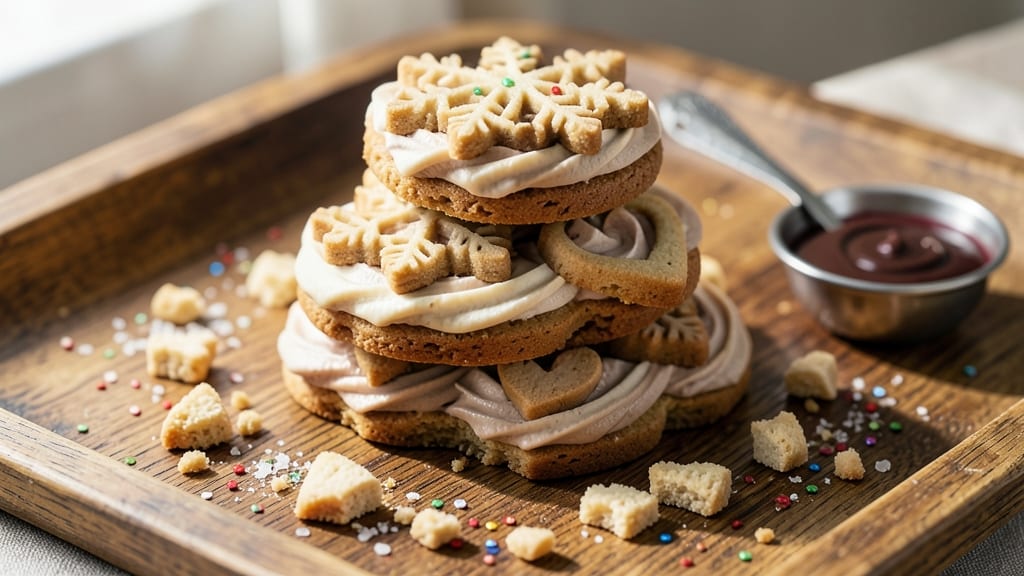
This cake mix cut out cookie recipe transforms boxed cake mix into sandpaper-crunch cookies with cold butter magic—no fancy ingredients, just foolproof technique. 💛 The secret lies in chilling the dough until it's almost rock-hard before cutting shapes, ensuring those coveted crisp edges and tender centers that hold their shape perfectly.
I've been perfecting this method for holiday baking, and it never fails to impress, even with picky eaters.
What makes these cookies special is their versatility—you can use any cake mix flavor (vanilla, chocolate, or spice), and the cold butter method works every time. The dough comes together in just 10 minutes, then rests in the fridge for 2 hours (or overnight) to develop that signature texture.
This isn't just a shortcut; it's a game-changer for achieving bakery-quality cookies with minimal effort.
By the time they emerge from the oven, your cookies will be golden brown with crisp edges that practically crackle between your teeth, while the centers remain soft and chewy. The cold butter creates pockets of air that make them light yet sturdy enough to hold intricate cutouts.
These are the kind of cookies that disappear in minutes, perfect for holidays, parties, or satisfying a sudden cookie craving.
Decorate with royal icing for a festive touch or keep them simple with a sprinkle of sugar—either way, you'll have cookies that taste homemade without the fuss. Let's get baking!
Ingredients for cake mix cut out cookie
This simple lineup transforms boxed cake mix into bakery-style cookies with crisp edges and chewy centers.
| Ingredient | Amount | Notes |
|---|---|---|
| Boxed Cake Mix 🍪 | 1 box | Vanilla, chocolate, or spice flavor |
| Unsalted Butter 🧈 | ½ cup | Cold, cut into cubes |
| Large Eggs 🥚 | 2 whole | Room temperature |
| Granulated Sugar 🍚 | ¼ cup | For sprinkling |
| Vanilla Extract 💧 | 1 tsp | Pure vanilla preferred |
| All-Purpose Flour 🌾 | ½ cup | For extra structure |
| Salt 🧂 | ¼ tsp | Fine sea salt |
| Ground Cinnamon 🌿 | ½ tsp | Optional for spiced flavor |
| Cookie Cutters ✂️ | 1 piece | Assorted shapes preferred |
| Royal Icing 🎨 | ½ cup | For decorating (optional) |
| Coarse Sugar 🍚 | ¼ cup | For garnish (optional) |
The butter is non-negotiable here—it must be cold and cubed for that signature sandpaper crunch. Store-brand butter works perfectly, but avoid salted varieties. For the cake mix, Duncan Hines or Betty Crocker are reliable choices, but any boxed mix will do. The egg quality matters too—farm-fresh eggs add richness, but store-bought works fine. If your cookie cutters are dull, they won't cut cleanly—sharpen them or use a fresh set. I keep mine in the freezer for 10 minutes before cutting to prevent sticking.
No vanilla extract? Almond extract at half the amount works in a pinch, though it adds a slight almond note. Short on flour? Omit it entirely—the recipe is forgiving. The cinnamon is optional but recommended for spiced flavors like pumpkin or ginger. For royal icing, Wilton's powdered sugar and meringue powder are my go-tos, but homemade works too. If you're skipping icing, extra coarse sugar sprinkled right after baking gives that bakery finish. The dough is delicate—handle it gently when transferring to the baking sheet.
The dough must chill for at least 2 hours—don't rush it. Store wrapped in plastic in the fridge for up to 3 days or freeze for 2 months. Baked cookies keep in an airtight container for 5 days at room temperature. For gifting, package in cellophane bags with a ribbon—these disappear fast at holiday parties. The secret to perfect cookies? Patience with the chilling and using cold butter straight from the fridge.
Why You'll Love This Recipe
- I’ll be real: I’ve made this recipe twice and still have half a batch left. They freeze like champs, so you can bake a big batch on Sunday and pull them out whenever the craving hits. Plus, using a boxed mix means you’re not breaking the bank for fancy ingredients. Win-win.
- Four-Ingredient Magic: I swear, the simplicity here is next-level. You’re basically just folding cake mix into softened butter—no weird ratios, no measuring cups that make you question your life choices. The eggs and vanilla tie it all together while you’re still scrolling through your phone.
- Butter-Soft Perfection: Honestly, the flavor is what keeps me coming back. That rich, cake-like crunch with a tender center? It’s like a cookie’s better, more indulgent cousin. The sugar caramelizes just enough to give them that little golden edge that makes them disappear faster than I’d like to admit.
- Party in a Box: Between us, these are my go-to for holiday gifts, teacher appreciation week, or even just because. The dough holds its shape like a dream, so you can cut them into stars, trees, or whatever whimsy strikes you—no one will guess they’re basically cake mix in disguise.
Step-by-step instructions for cake mix cut out cookies
Cold butter creates the signature sandpaper crunch—here's how to nail it every time.
👨🍳 Step 1: Mix Dry Ingredients and Cut Cold Butter
In a large mixing bowl, combine the 1 box boxed cake mix, 0.5 cup all-purpose flour, 0.25 tsp salt, and 0.5 tsp ground cinnamon. Whisk until fully blended—this ensures even distribution of flavors throughout the dough. I like to press the dry ingredients through a fine-mesh sieve to break up any lumps in the cake mix.
Add the 0.5 cup cold unsalted butter (cut into cubes) to the dry ingredients. Using a pastry cutter or your fingers, work the butter into the flour mixture until it resembles coarse crumbs with pea-sized butter pieces remaining. The butter must stay cold—this is non-negotiable for that signature sandpaper texture. If your kitchen feels warm, chill the dough for 10 minutes before proceeding.
🍳 Step 2: Add Wet Ingredients for Perfect Texture
Create a well in the center of your dry mixture and add the 2 whole large eggs (room temperature) and 1 tsp vanilla extract. Using a wooden spoon or silicone spatula, gently mix until just combined. You want to preserve as much air as possible—overmixing develops gluten and makes the cookies tough. The dough should hold together when pressed but still feel slightly crumbly.
Add the 0.25 cup granulated sugar and mix again until evenly distributed. Sprinkle the dough with an additional 1 tablespoon flour if it feels too sticky. The sugar will help create that signature crunch while keeping the cookies tender inside. Here's the thing—this dough is different from traditional cookie dough. It's more like a crumbly mixture that will firm up as you work with it.
🥘 Step 3: Chill and Shape for Clean Cuts
Divide the dough into 4 equal portions (about 1 cup each) and flatten each into a ½-inch thick disk. Wrap each disk tightly in plastic wrap and refrigerate for at least 1 hour (up to 24 hours). Chilling is crucial—it firms up the butter so it doesn't melt during baking, which prevents spreading and ensures those clean cookie cutter edges.
While the dough chills, preheat your oven to 350°F and line two baking sheets with parchment paper. The dough should be cold enough that when you press your finger into it, no indentation remains. If it's still too soft, return it to the fridge for another 20 minutes. Cold dough means perfect shapes and that signature crunch.
🔪 Step 4: Cut and Bake for Sandpaper Crunch
Remove one disk of dough at a time and let it sit at room temperature for 5 minutes before rolling. Roll the dough to about ¼-inch thickness on a lightly floured surface. Use the cookie cutters to cut out shapes, then transfer directly to the prepared baking sheets. Place cookies 1 inch apart—they won't spread much, but you want room for the edges to crisp.
Bake for 8-10 minutes until the edges are golden brown and the centers still look slightly underdone. The cookies should be firm to the touch but not rock-hard. Real talk: don't overbake. They'll continue cooking on the hot sheet for a minute after you remove them. Rotate the baking sheets halfway through for even baking. If you're using the optional 0.25 cup coarse sugar, sprinkle it over the tops before baking for extra crunch.
⏰ Step 5: Decorate and Rest for Perfect Texture
Let the cookies cool on the baking sheets for 5 minutes before transferring to a wire rack. This brief rest prevents them from cracking when you move them. If using the optional 0.5 cup royal icing, pipe borders or simple designs while the cookies are still warm. The icing will set quickly and create a nice contrast against the crunchy edges.
For maximum crunch, store cookies in an airtight container at room temperature for 24 hours before serving. This allows the butter to fully set, intensifying that sandpaper texture. Serve with milk or coffee—each bite should deliver that satisfying crunch followed by a tender, cake-like center. The secret? Cold butter and patience. Don't skip the chilling step—I learned the hard way when I tried to rush it.
Pro Tips For Making Cake Mix Cut Out Cookie
- CHILL THE DOUGH: Mix the cake mix, butter, eggs, and sugar until just combined—don’t overwork it. Then pop the dough in the fridge for 30 minutes before rolling. I used to skip this, and the cookies spread like pancakes in the oven. Cold dough holds its shape, and you’ll thank me later when your cutouts stay crisp at the edges.
- USE COLD BUTTER: Take the butter straight from the fridge—no softening needed. Cream it with the cake mix and sugar until it’s crumbly but clumps together when pressed. Warm butter makes the dough too sticky, and your cookies will flatten like sad pancakes. Trust me, cold butter = better structure.
- WEIGH THE FLOUR: If your recipe calls for extra flour (many cake mixes do), use a kitchen scale instead of eyeballing it. A quick 1:1 ratio with the boxed mix works, but scooping from the bag packs it down unevenly. Lightly spoon the flour into a measuring cup, then level it off—this keeps your cookies tender, not dense.
- BAKE ONE SHEET AT A TIME: Preheat the oven to 350°F and bake cookies on a single sheet for 8–10 minutes, rotating halfway. Overcrowding the pan steams the dough, and you’ll end up with chewy centers and uneven edges. Less is more—your cookies will bake evenly and develop that perfect cakey texture.
Regional styles of cake mix cut out cookie
Southern Classic
In the South, these cookies take on a buttery, slightly spiced character that pairs perfectly with sweet tea. I like to add ½ tsp cinnamon and ¼ tsp nutmeg to the dough for a warm, cozy flavor profile.
Use a vanilla or spice cake mix and decorate with white chocolate drizzle or peanut butter icing for a true Southern touch. These cookies are a staple at church potlucks and holiday gatherings—trust me, they disappear fast. 💛
Midwest Holiday Tradition
The Midwest loves these cookies for their simplicity and festive potential. Here, I recommend using a chocolate cake mix and adding ½ cup white chocolate chips to the dough for a marbled effect.
After baking, sprinkle with crushed candy canes for Christmas or red and green sprinkles for a festive look. These cookies are perfect for school bake sales or neighborhood cookie exchanges.
West Coast Modern Twist
On the West Coast, bakers often put their own creative spin on these cookies. Try using a lemon or almond cake mix for a lighter flavor. Add 1 tsp lemon zest and ½ tsp almond extract to the dough for a bright, citrusy twist.
Decorate with edible gold leaf or lavender-infused icing for an elegant touch. These cookies are perfect for garden parties or brunch gatherings.
New England Crunch
In New England, these cookies are all about that signature sandpaper crunch and maple flavor. Use a vanilla cake mix and replace half the butter with ½ cup maple syrup in the dough.
After baking, sprinkle with coarse brown sugar for extra crunch. These cookies are a hit at fall festivals and Thanksgiving gatherings—everyone loves the maple twist. 🍁
Texas BBQ Pairing
For a Texas-sized twist, use a chocolate cake mix and add ½ cup chopped pecans to the dough. After baking, drizzle with salted caramel sauce and sprinkle with flaky sea salt.
These cookies are perfect for pairing with a glass of sweet tea or a cold beer—ideal for backyard BBQs or tailgating events. The salty-sweet combo is pure Texas comfort food. 🌶️
Pacific Northwest Coffeehouse
In the Pacific Northwest, these cookies are often enjoyed with coffee. Use a chocolate or spice cake mix and add 1 tsp espresso powder to the dough for a deep, rich flavor.
Decorate with dark chocolate ganache drizzle and crushed hazelnuts. These cookies are perfect for coffee shops or cozy afternoon breaks—each bite pairs beautifully with a latte. ☕
Nutrition facts
Frequently asked questions
Can I use any cake mix flavor for these cookies?
This recipe works with any boxed cake mix flavor—vanilla, chocolate, spice, or even lemon. The cold butter technique creates the signature texture regardless of the base flavor. For best results, stick to 1 box of your chosen mix and adjust any additional spices (like cinnamon) based on the flavor profile you prefer.
Why do the cookies need to chill for so long?
The 2-hour chilling (or overnight) is crucial for two reasons: it firms up the cold butter so it doesn't melt and spread during baking, and it allows the gluten to relax for cleaner cuts with cookie cutters. Skipping this step results in soft, spread-out cookies without that signature sandpaper crunch. Think of it as a flavor and texture developer!
What if my dough is too sticky after mixing?
If the dough feels too sticky, sprinkle in 1-2 tablespoons more flour (one at a time) until it holds together when pressed. The dough should be crumbly but manageable—not wet. Overworking it will make the cookies tough, so handle gently. If it's still too sticky after adding flour, chill the dough for an extra 15 minutes to firm it up.
Can I make these cookies ahead of time?
Yes! The dough can be wrapped and refrigerated for up to 3 days or frozen for 2 months. For maximum crunch, bake the cookies and let them cool completely, then store in an airtight container at room temperature. They'll develop even more crunch after 24 hours. Perfect for holiday prep or gifting!
How do I prevent the cookies from cracking when cutting?
First, ensure your dough is properly chilled and your cookie cutters are sharp. Roll the dough to ¼-inch thickness and let it sit at room temperature for 5 minutes before cutting to relax the dough slightly. Press straight down with the cutter—don't twist—and transfer cookies immediately to the baking sheet. If cracks appear, your dough may need a longer chill time.