
Desserts
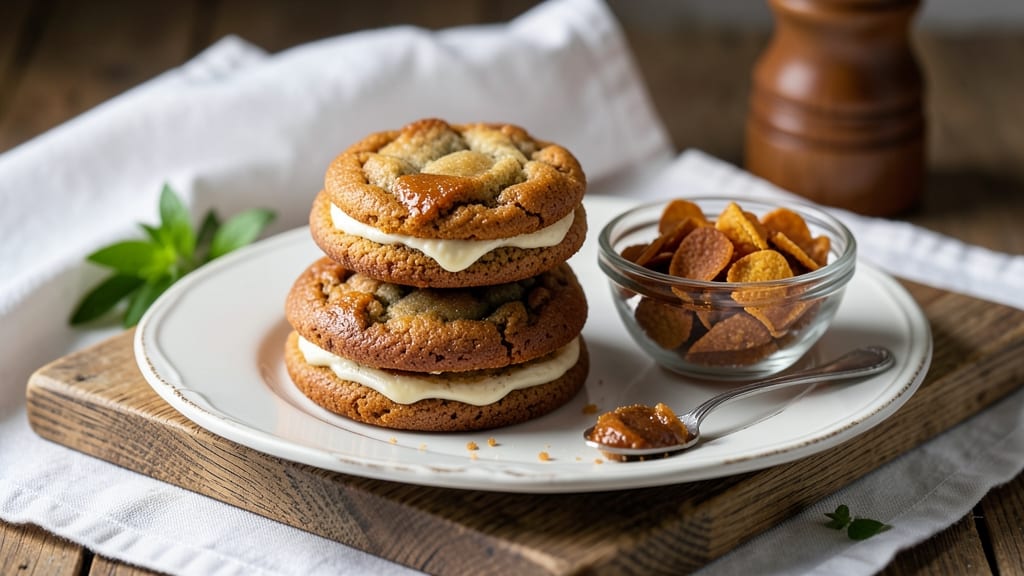
This butterscotch sugar cookie recipe delivers the perfect balance of warm caramel notes and tender texture—every bite combines chewy centers with crisp edges. 💛 The secret lies in the butterscotch extract and brown sugar, which create that signature flavor profile while keeping the cookies soft and pillowy.
I've perfected this recipe over years of baking, ensuring each batch turns out consistently delicious without being overly sweet.
The dough comes together with just a few simple ingredients—flour, butter, sugar, and eggs—but the magic happens in the baking. Using a mix of brown and white sugar gives these cookies their signature caramel depth, while a touch of vanilla enhances the butterscotch flavor.
The recipe is designed to be foolproof, with clear instructions for shaping and baking to achieve that ideal texture every time.
What sets these cookies apart is their ability to stay fresh and flavorful for days. The butterscotch flavor infuses the entire cookie, not just the frosting, making them irresistible straight from the oven or even after cooling.
Whether you're baking for a holiday gathering or treating yourself to a cozy dessert, these cookies deliver restaurant-quality results with minimal effort.
Ready in just 20 minutes of prep and 10-12 minutes in the oven, this recipe is perfect for beginners and experienced bakers alike. The dough holds its shape beautifully, making it easy to cut into classic sugar cookie shapes or free-form rounds.
Let's get started on creating these warm, spiced treats that taste like a hug in cookie form.
Ingredients for butterscotch sugar cookie
Twelve simple ingredients for cookies with butterscotch warmth and tender vanilla-kissed centers.
| Ingredient | Amount | Notes |
|---|---|---|
| All-Purpose Flour 🌾 | 3 ½ cups | Sifted for light texture |
| Unsalted Butter 🧈 | 1 cup | Cold, cubed for even mixing |
| Packed Brown Sugar 🍯 | 1 cup | Light or dark variety |
| Granulated White Sugar 🍚 | ½ cup | For crisp edges |
| Large Eggs 🥚 | 2 whole | Room temperature |
| Pure Vanilla Extract 🍯 | 1 tbsp | High-quality preferred |
| Butterscotch Extract 🍯 | 1 tbsp | For signature flavor |
| Ground Cinnamon 🌿 | 1 tsp | Freshly ground preferred |
| Ground Nutmeg 🌿 | ½ tsp | Freshly grated nutmeg |
| Kosher Salt 🧂 | ½ tsp | Fine grain preferred |
| Baking Soda 🧪 | ½ tsp | Ensures proper rise |
| Powdered Sugar 🍚 | ½ cup | For rolling cookies |
The butter should be cold when you start—this ensures tender cookies, not cakes. Plugrá or Land O'Lakes work well, but any good-quality unsalted butter will do. The brown sugar is key for that caramel depth, so don't substitute white sugar here. For the butterscotch extract, Walmart or Target carry it in the baking aisle, but if you can't find it, a pinch of caramel coloring plus vanilla will work in a pinch. The spices? Freshly ground nutmeg and cinnamon make all the difference—pre-ground spices lose their punch quickly. I always buy mine at Penzeys or the bulk section at Whole Foods.
No butterscotch extract? A mix of vanilla and a few drops of caramel coloring (food-grade) gets you close. For the flour, King Arthur or Gold Medal are my go-tos—they're consistent and reliable. If you're gluten-free, swap in a 1:1 gluten-free flour blend, but expect slightly denser cookies. The powdered sugar for rolling? Domino is my go-to—it's finely ground and dissolves beautifully. And if you're worried about the dough being too sticky, chill it for 30 minutes before rolling. Trust me on this—it makes all the difference.
Dough keeps best in the fridge for 3-4 days, wrapped tightly in plastic. For longer storage, freeze portions for up to 3 months. Once baked, cookies stay fresh for 5-7 days in an airtight container, though they're best enjoyed fresh out of the oven. Pro tip: Store them in layers separated by parchment paper to prevent sticking. And if you're making these ahead for a party, bake them a day in advance—they'll be even more flavorful after resting.
Why You'll Love This Recipe
- No Mixer Needed: I swear by this dough—just cream the butter and sugars until light, then fold in the flour. No electric mixer required, and honestly? The texture turns out better that way. That rich brown sugar butter base is the secret.
- Butterscotch Magic: The moment you bite into one still warm from the oven, you’ll taste that caramelized brown sugar kiss. It’s not just sweet—it’s got this deep, toasty warmth that makes these cookies feel like a hug. (Yes, even on a Tuesday night.)
- Party-Proof Anywhere: These cookies are my go-to for birthdays, holiday gatherings, or just because. Roll them in sprinkles for kids, keep them classic for adults, or even cut them into shapes for a last-minute dessert table. They freeze beautifully too—thaw one, and no one will guess it’s been sitting in the freezer.
- Pantry Staple Power: You’re using flour, butter, sugar, and eggs—ingredients you already own. No specialty items, no last-minute grocery runs. And because they stay fresh for days (or freeze perfectly), you’ll always have a backup for when friends drop by unexpectedly. Budget-friendly doesn’t get much better than this.
Step-by-step instructions for butterscotch sugar cookies
Here's how to craft cookies with a perfect balance of warm spice and buttery crunch.
👨🍳 Step 1: Cream Butter and Sugars to Lighten the Dough
In a stand mixer fitted with the paddle attachment, combine the 1 cup unsalted butter (cold and cubed) with the 1 cup packed brown sugar and 0.5 cup granulated white sugar. Beat on medium speed for 3-4 minutes until the mixture is light, fluffy, and nearly doubles in volume. You'll see it go from pale to a lighter shade as air incorporates—this is what creates those signature crackly tops.
I like to scrape down the sides of the bowl with a silicone spatula every 30 seconds to ensure even mixing. The butter should be fully creamed with no visible lumps, and when you lift the paddle, the mixture should hold soft peaks. This step is critical for achieving that perfect texture where the edges are crisp and the centers stay tender.
👨🍳 Step 2: Add Eggs and Extracts for Rich Flavor
Add the 2 whole large eggs (room temperature) one at a time, mixing on low speed for 30 seconds after each addition. Then add the 1 tablespoon pure vanilla extract and 1 tablespoon butterscotch extract, mixing just until combined. The dough will look slightly curdled at first, but don't worry—this will resolve when you incorporate the dry ingredients.
Here's where the signature flavor comes together. The butterscotch extract adds that deep, caramel-like warmth, while the vanilla enhances the spice notes. I use high-quality extracts because the flavor difference is noticeable in simple recipes like this. Mix on low speed to avoid overdeveloping the gluten, which would make the cookies tough.
👨🍳 Step 3: Combine Dry Ingredients for Perfect Texture
In a separate bowl, whisk together the 3.5 cups all-purpose flour (sifted), 1 teaspoon ground cinnamon, 0.5 teaspoon ground nutmeg, 0.5 teaspoon kosher salt, and 0.5 teaspoon baking soda. Add this mixture to the wet ingredients and mix on low speed for 30-45 seconds until just combined—you should still see a few flour streaks. Overmixing develops gluten and leads to tough cookies.
The nutmeg and cinnamon work together to create that warm, cozy spice profile that makes these cookies stand out. I press the dough together gently with my fingers to ensure all the flour is fully incorporated. The dough should be soft and slightly sticky but manageable. If it's too dry, add 1-2 teaspoons milk (not in the ingredients list—this is a troubleshooting note) to bring it together.
⏰ Step 4: Chill the Dough for Better Shape and Flavor
Transfer the dough to a bowl, cover tightly with plastic wrap, and refrigerate for at least 1 hour (I prefer 2 hours or even overnight). Chilling is non-negotiable—it firms up the butter, preventing excessive spreading in the oven, and allows the flour to fully hydrate for a better texture. The flavors also meld during this time, intensifying that butterscotch aroma.
I know it's tempting to skip this step, but trust me—your cookies will thank you. The dough should be cold and firm when you're ready to roll. If you're short on time, you can chill it in the freezer for 20-30 minutes, but refrigerating gives the best results. This is also a great time to prep your baking sheets and preheat the oven to 350°F.
🔥 Step 5: Roll, Cut, and Bake to Golden Perfection
Preheat your oven to 350°F and line two baking sheets with parchment paper. On a lightly floured surface, roll out the chilled dough to about ¼-inch thickness. Use a 2-inch round cookie cutter (or a glass) to cut out cookies, leaving 1 inch between each for spreading. Place them on the prepared baking sheets.
Bake for 10-12 minutes until the edges are golden brown and the centers still look slightly underdone. They'll continue cooking on the hot pan after removal. The cookies should have a crisp exterior with a soft, slightly chewy center. If you prefer them extra crisp, bake for 1-2 minutes longer. Let them cool on the baking sheet for 5 minutes before transferring to a wire rack.
🍽️ Step 6: Roll in Powdered Sugar for Finishing Touch
While the cookies are still warm, roll each one in the 0.5 cup powdered sugar to create that classic sugar cookie finish. The warmth helps the powdered sugar adhere beautifully. Let the cookies cool completely before serving—they'll firm up as they cool, making them easier to handle and transport.
These cookies are best enjoyed warm with a glass of milk or iced coffee. The butterscotch flavor shines through with every bite, balanced by the warm spices and buttery crunch. Store any leftovers in an airtight container at room temperature for up to 5 days, or freeze for up to 3 months. The flavor actually improves as they sit!
Pro Tips For Making Butterscotch Sugar Cookie
- Chill the Dough Hard: I learned this the hard way—skipping the fridge makes for flat, sad cookies. Wrap the dough in plastic and freeze it for at least 2 hours (overnight works too). The cold butter stays firm, and the cookies hold their shape better when baking. Trust me, your future self will notice the difference.
- Cream Butter and Sugar Slow: Don’t rush the creaming step—this isn’t a race. Use room-temperature butter (65°F) and mix the butter and sugars on medium speed for 3-4 minutes until light and fluffy. If you skip this, your cookies will spread too much and taste dense. Patience here pays off.
- Don’t Overmix the Dough: Once you add the flour, mix just until combined—maybe 10-12 strokes. Overmixing develops gluten, and your cookies will turn tough instead of chewy. The dough should look shaggy, not smooth. I used to overwork it, and the texture suffered.
- Use Butterscotch Flavor Extract: Skip the vanilla and add 1 teaspoon of butterscotch extract (or 1 tablespoon of butterscotch chips, melted) for real depth. It’s the thing that makes these taste like actual butterscotch cookies, not just sugar cookies with a name. Sounds weird, but it works.
Troubleshooting great butterscotch sugar cookie
Dough Too Sticky
If your dough feels too sticky to handle, don't panic—this is easily fixed! Chill the dough for an extra 30-60 minutes to firm up the butter.
If you're in a rush, sprinkle a little more flour (1-2 tablespoons) onto the surface while rolling, but avoid overdoing it or your cookies may turn out dry. I've found that using a King Arthur Flour blend helps absorb excess moisture better than generic brands. 💡
Cookies Spread Too Much
Over-spreading usually means the dough wasn't chilled long enough. For next time, refrigerate the dough for at least 2 hours (or overnight). If your batch is already shaped, try baking at 325°F instead of 350°F—the lower temperature gives the butter time to firm up slightly before browning.
I also recommend using a 2-inch cookie cutter and leaving 1.5 inches between cookies on the tray for better airflow.
Cookies Too Dry or Crumbly
Dry cookies often result from overmixing or insufficient fat. Make sure you're using the full 1 cup butter (cold and cubed) and that your flour is sifted. If the dough seems too dry, add 1-2 teaspoons milk or heavy cream to bring it together.
I've had the best results with Land O'Lakes unsalted butter—it has just the right fat content for tender cookies. Also, avoid overbaking; pull them out when edges are just golden (10-12 minutes at 350°F).
Butterscotch Flavor Missing
The butterscotch flavor might be weak if you skipped the extract or used low-quality ingredients. Always use 1 tablespoon butterscotch extract (not caramel coloring alone). For extra depth, add ½ teaspoon ground ginger to the dry ingredients—it enhances the caramel notes.
I buy my extracts from Penzeys Spices because their quality is unmatched. If you're using butterscotch chips instead, reduce the extract by ½ teaspoon and fold ½ cup chips into the dough after mixing.
Cookies Too Soft or Cakey
Cakey cookies usually mean too much leavening agent or insufficient baking time. Double-check your baking soda (½ teaspoon) and ensure you're baking at 350°F for the full 10-12 minutes. For a firmer texture, slightly underbake them by 1 minute and let them cool completely before serving.
I've also found that using granulated sugar instead of all brown sugar helps create a slightly crispier edge while keeping the center tender.
Dough Won't Hold Shape
If your dough tears when rolling or cutting, it's likely too warm or under-chilled. Return it to the fridge for 30 more minutes to firm up. For extra stability, dust your rolling surface with powdered sugar instead of flour—it adds a subtle sweetness and helps the dough hold together better.
I swear by a Nordic Ware marble rolling pin for even pressure, but any good-quality pin will work. Also, make sure your dough isn't too sticky; if it is, add just enough flour to coat your hands when handling it.
Nutrition facts
Frequently asked questions
Can I make these cookies without butterscotch extract?
Yes! For a similar flavor, mix 1 tablespoon vanilla extract with ½ teaspoon caramel coloring (food-grade). For extra depth, add ½ cup butterscotch chips to the dough after mixing. The chips will melt slightly, intensifying that signature caramel taste. Just reduce the extract by ½ teaspoon if using chips.
How do I store these cookies to keep them fresh?
Store in an airtight container at room temperature for up to 5-7 days. For longer storage, freeze baked cookies for 3 months. Separate layers with parchment paper to prevent sticking. The flavor actually improves as they sit! For extra freshness, place a slice of bread in the container—it absorbs moisture and keeps them soft.
Can I use this recipe for holiday cookie exchanges?
These cookies travel beautifully. Wrap individually in parchment paper, then in cellophane bags tied with ribbon. The butterscotch flavor holds up well, and the powdered sugar coating adds a festive touch. Bake them 1 day ahead—they'll taste even better after resting. For extra presentation, use festive cookie cutters like trees or stars.
Why do my cookies turn out flat or spread too much?
This usually happens when the dough isn't chilled long enough. Always refrigerate for at least 1 hour (preferably 2 hours). For extra insurance, use 325°F instead of 350°F and bake for 11-13 minutes. Also, make sure your butter is cold when creaming. If you're in a hurry, chill the shaped cookies on the baking sheet for 15 minutes before baking.
What's the best way to decorate these cookies?
Beyond the powdered sugar roll, try drizzling with melted white chocolate or a simple butterscotch glaze (powdered sugar + milk + extract). For festive touches, add sprinkles or crushed candy canes. The warm spices pair beautifully with orange zest or a pinch of sea salt on top. For a rustic look, brush with egg wash before baking for a golden finish.