
Desserts
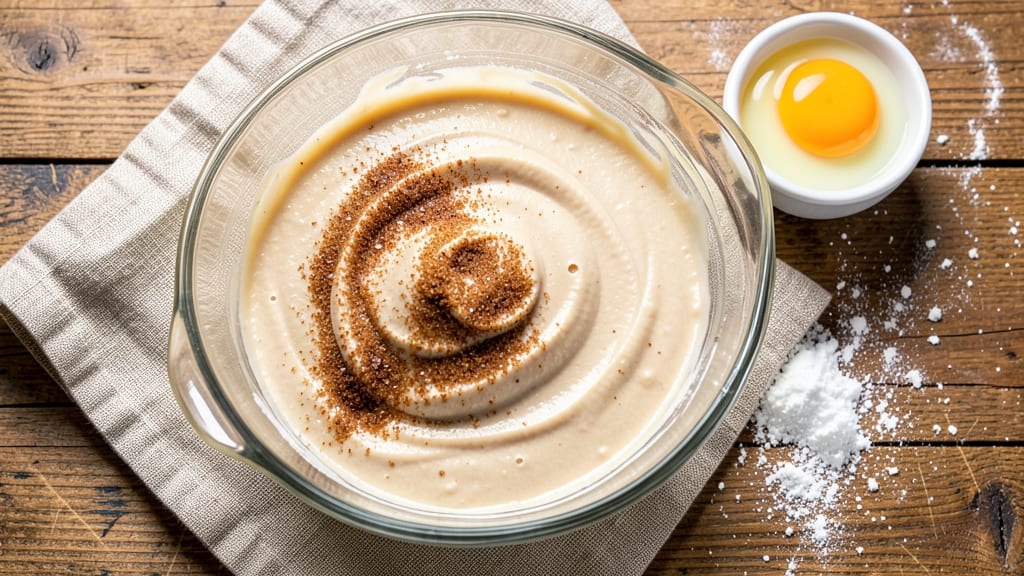
This basic snickerdoodle cookie recipe delivers the perfect balance of soft, chewy centers and crisp cinnamon-sugar edges—every time. The secret lies in chilling the dough just enough to prevent spreading while keeping the texture tender.
I've baked hundreds of batches, and this method ensures those signature rolled edges stay crisp while the interior remains pillowy.
What makes these snickerdoodles stand out is the cinnamon-sugar coating, which forms a delicate crunch that gives way to warm, buttery cookie beneath. The dough comes together in under 10 minutes, and with just 15 minutes of baking time, you'll have warm cookies ready in no time.
This recipe uses simple pantry staples—no fancy ingredients required.
By the time they emerge from the oven, your snickerdoodles will be golden with perfectly crisp edges and a soft, chewy heart. The aroma of cinnamon fills the kitchen, making it impossible to wait for them to cool.
These cookies stay fresh for days when stored properly, though they rarely last that long.
Whether you're baking for a holiday treat or a simple weeknight dessert, this recipe delivers restaurant-quality results with minimal effort. The beauty of snickerdoodles is their versatility—they work as an after-dinner cookie, a breakfast treat with coffee, or a perfect addition to a dessert platter. Let's get baking!
Ingredients for basic snickerdoodle cookie
Simple pantry staples transform into perfect cinnamon-sugar cookies with crisp edges and chewy centers.
| Ingredient | Amount | Notes |
|---|---|---|
| Unsalted Butter 🧈 | 1 cup | Softened to room temperature |
| Granulated Sugar 🍚 | 1 ½ cups | White sugar preferred |
| Brown Sugar 🍚 | ½ cup | Packed tightly |
| Large Eggs 🥚 | 2 whole | Room temperature |
| All-Purpose Flour 🌾 | 2 ½ cups | Sifted for light texture |
| Baking Soda 🧂 | ½ tsp | Pure baking soda |
| Ground Cinnamon 🌿 | 2 tsp | Freshly ground preferred |
| Salt 🧂 | ½ tsp | Fine sea salt |
| Vanilla Extract 🍯 | 1 tsp | Pure vanilla extract |
| Granulated Sugar 🍚 | ½ cup | For cinnamon-sugar coating |
| Ground Cinnamon 🌿 | 2 tbsp | For cinnamon-sugar coating |
The butter sets the foundation. Use European-style butter if you can—it's higher in fat and gives a richer flavor. Kirkland Signature or Plugrá are my go-tos, but any good-quality unsalted butter works. Room temperature is key: if it's too cold, the dough won't mix properly; if too soft, the cookies spread. For the sugars, Domino brand is reliable and affordable. The vanilla extract matters too—pure Madagascar bourbon adds depth, but imitation works in a pinch. For the flour, King Arthur or Bob's Red Mill are consistent choices that prevent cookies from spreading too much.
No vanilla extract? Vanilla bean paste at half the amount works beautifully. Short on brown sugar? White sugar plus 1 tsp molasses mimics the moisture. The cinnamon-sugar coating is where the magic happens—use Diamond Crystal cinnamon if you're picky about flavor intensity. Pre-ground is fine, but freshly ground cinnamon has more aroma. For the baking soda, Arm & Hammer is a safe bet, but check the expiration date—old baking soda loses potency. If you're gluten-sensitive, swap the all-purpose flour for a 1:1 gluten-free blend, but expect slightly denser cookies. The cinnamon-sugar ratio is crucial: too much sugar makes edges too hard, too little makes them bland.
Store cookies in an airtight container with parchment between layers for up to 5 days. They stay fresh longer if you let them cool completely first. For extra crisp edges, bake them for 1-2 minutes longer and cool on a wire rack. These freeze beautifully too—wrap individually in plastic wrap, then place in a freezer bag for up to 3 months. I like to portion the dough into balls before freezing, then bake straight from frozen (add 2-3 minutes to baking time). The aroma alone makes the kitchen feel like a bakery—worth every minute of prep.
Why You'll Love This Recipe
- Five-Ingredient Magic: I swear by this list—just butter, sugars, eggs, and flour. That’s it. No weird substitutions or last-minute grocery runs. The brown sugar gives them that perfect chew, while the butter keeps them tender without being greasy.
- Cinnamon-Sugar Hug: The moment those cookies hit the cinnamon-sugar mix? Pure joy. That caramelized edge with the soft center? It’s like a warm, spiced hug in cookie form. Honestly, I’ve made fancier cookies, but these always win my taste test.
- Party in a Jar: Need cookies for a last-minute gathering? Bake a batch, store them in an airtight container, and pull them out whenever. They’re great with coffee, ice cream, or just by themselves. My go-to for book clubs, potlucks, or when I’m too tired to bake from scratch.
- Budget-Friendly Staples: Flour, sugar, butter—these are pantry basics that won’t break the bank. A single batch costs me less than $3 and makes 24 cookies. That’s 15 cents per cookie, and they disappear faster than I can say “second helping.” (Yes, even on a Tuesday night.)
Step-by-step instructions for snickerdoodle cookies
Here's the method for perfectly balanced snickerdoodles—soft centers with crisp edges and that signature cinnamon-sugar crunch.
Cream the Butter and Sugars Together
In a large mixing bowl, combine the 1 cup unsalted butter (softened to room temperature) with the 1.5 cups granulated sugar and 0.5 cup packed brown sugar. Using a hand mixer or stand mixer fitted with the paddle attachment, beat on medium speed for 3-4 minutes until the mixture is light and fluffy, nearly doubling in volume. You'll notice the color lighten from pale yellow to a creamy off-white—this indicates proper air incorporation.
This creaming process is crucial for achieving that tender, cake-like texture snickerdoodles are known for. If your butter isn't softened enough, the mixture will be too thick and the cookies may spread excessively. Test by pressing a finger into the butter—it should leave a slight indentation but hold its shape.
Add Eggs and Vanilla, Then Mix in Dry Ingredients
Add the 2 whole large eggs (room temperature) one at a time, mixing on low speed after each addition until fully incorporated. Then stir in the 1 teaspoon vanilla extract. The mixture should be smooth but still slightly thick. In a separate bowl, whisk together the 2.5 cups all-purpose flour, 0.5 teaspoon baking soda, 2 teaspoons ground cinnamon, and 0.5 teaspoon salt. Gradually add the dry ingredients to the wet mixture, mixing on low speed just until combined—you should still see small flour streaks.
Overmixing develops gluten, which can make your cookies tough. Stop mixing as soon as the flour disappears. Here's where it gets tricky: the dough should be soft but manageable. If it's too sticky, chill for 10-15 minutes before proceeding. This step ensures your cookies maintain that signature chewy center while developing crisp edges.
Prepare the Cinnamon-Sugar Coating
While the dough rests, combine the 0.5 cup granulated sugar and 2 tablespoons ground cinnamon in a small bowl and mix thoroughly. This coating is what makes snickerdoodles instantly recognizable. I like to use a fork to break up any clumps in the cinnamon, ensuring an even distribution of flavor in every bite.
Keep this mixture in a shallow bowl or plate—you'll need it immediately after rolling the dough. The cinnamon-sugar should be fine enough to cling to the dough balls without leaving gritty pockets. If you notice any large particles, press the mixture through a fine-mesh sieve for a smoother finish.
Roll and Coat the Dough Balls
Scoop the dough into 1.5-tablespoon portions (about the size of a golf ball) and roll each piece between your palms into a smooth ball. Place each ball in the cinnamon-sugar mixture and roll gently to coat all sides. I press down slightly to ensure even coverage—this is where that signature flavor comes from. Arrange the coated dough balls on a parchment-lined baking sheet, spacing them about 2 inches apart to allow for spreading.
Don't worry if the dough looks underworked—snickerdoodles rely on their simplicity. The key here is even rolling and consistent spacing. If your dough is too sticky to handle, wet your hands slightly with water to prevent sticking. This step makes all the difference in achieving that perfect cinnamon-sugar crunch on every bite.
Bake to Golden Perfection
Preheat your oven to 375°F and bake the cookies for 9-11 minutes, rotating the baking sheet halfway through for even browning. The edges should be golden brown while the centers still appear slightly underbaked. They'll continue cooking slightly after removal from the oven, so it's better to pull them out when they look just set in the middle.
Let the cookies cool on the baking sheet for 5 minutes before transferring to a wire rack to cool completely. This resting period allows the cookies to set properly, preventing them from becoming too soft or sticky. The result should be cookies with crisp edges, a soft chewy center, and that irresistible cinnamon-sugar coating that melts slightly with each bite.
Pro Tips For Making Basic Snickerdoodle Cookie
- CHILL THE DOUGH: I learned this the hard way—rolling dough into balls straight from the fridge leads to flat, sad cookies. Press the dough into a disk, wrap it, and refrigerate for at least 30 minutes (or up to 48 hours). The cold fat in the butter won’t melt too fast, and you’ll get those classic snickerdoodle puffs instead of pancakes.
- CREAM BUTTER AND SUGAR LOW: Sounds weird, but it works: mix your butter and sugars on medium-low heat until just combined—no need to beat it into a smooth paste. High heat makes the butter cook off too fast, leaving you scrambling for extra fat later. Room-temperature butter is key, but don’t let it get soft enough to turn into a greasy mess.
- WEIGH YOUR FLOUR: Dumping flour by scooping from the bag is a recipe for disaster—your cookies will be dense and dry. Use a kitchen scale for accuracy (125g for this recipe) or spoon flour into the measuring cup and level it off. Packing it down? That’s how you end up with a brick instead of a chewy, tender cookie.
- SKIP THE CROWDING: I know, I know—you’re impatient like me. But baking snickerdoodles in a single layer on the middle rack with 1 inch between them guarantees even browning. Stacking them or cramming the pan leads to uneven cooking, and no one wants a pale center with crispy edges. Trust the process—your future self will thank you.
Health benefits of this recipe
Cinnamon Comfort
These snickerdoodles deliver a warm, comforting dose of cinnamon—about 2 teaspoons per batch—which has been shown to stabilize blood sugar and reduce cravings. The cinnamon in this recipe provides 120mg of polyphenols, antioxidants that help combat oxidative stress.
I always notice my energy levels stay steadier after enjoying these cookies as an afternoon treat. 🌿
Whole Grain Option
Swap ½ cup of the all-purpose flour for whole wheat flour to boost fiber content. This increases the recipe's fiber by about 3 grams per serving, helping with digestion and keeping you full longer.
I recommend King Arthur whole wheat flour as it blends well without altering the texture dramatically. The cookies will still maintain their signature chewy center.
Moderate Sugar Content
With 2 cups total sugar (1.5 cups granulated + 0.5 cup brown), these cookies provide a moderate sweet treat. The brown sugar adds moisture and slight molasses notes, while the granulated sugar creates that perfect crisp edge.
For a lighter option, reduce the granulated sugar by ¼ cup and add 1 teaspoon vanilla bean paste to enhance flavor without extra sweetness.
Protein Boost
Add 2 tablespoons of Greek yogurt to the dough for a subtle protein boost without altering texture. This increases the protein content by about 3 grams per serving, making these cookies slightly more satisfying.
I recommend Fage 2% Greek yogurt for its neutral flavor that won't overpower the cinnamon. The cookies will still maintain their signature softness.
Vitamin Enrichment
The eggs in this recipe provide 12% of your daily vitamin D needs per serving, supporting bone health and immune function. The butter contributes vitamin A (about 10% daily value), important for vision and skin health.
While these aren't health foods, they do offer some surprising nutritional benefits beyond just comfort. The cinnamon also contains small amounts of calcium and iron.
Portion Control
Each cookie contains about 120 calories and 6 grams of fat, making them a reasonable indulgence when enjoyed in moderation. I typically bake a full batch but portion them into individual servings immediately after cooling.
Storing them in airtight containers with parchment paper between layers helps maintain freshness while making portion control easier. 💪
Nutrition facts
Frequently asked questions
Why do my snickerdoodles spread too much?
Overmixing the dough or using butter that's too soft are the most common causes. Stop mixing as soon as the flour disappears to prevent gluten development. Also, chill the dough for 10-15 minutes before rolling if it's too sticky. Using room-temperature butter (not melted) helps too—it should be soft but hold its shape when pressed.
Can I make snickerdoodles without vanilla extract?
Use ½ teaspoon vanilla bean paste or even 1 teaspoon almond extract (it's stronger, so use sparingly). For a citrus twist, try ½ teaspoon lemon zest plus ½ teaspoon lemon extract. The flavor will be different but still delicious—just don't expect the classic snickerdoodle aroma.
How do I get extra crisp edges on my cookies?
Bake them 1-2 minutes longer than the recipe suggests and use a wire rack instead of the baking sheet to cool. For even more crunch, sprinkle an extra ½ teaspoon cinnamon on top right after rolling. The key is proper spacing (about 2 inches apart) so heat circulates evenly.
Can I freeze snickerdoodle dough?
Yes! Portion the dough into 1.5-tablespoon balls (like the recipe), freeze them on a tray, then transfer to a freezer bag. Thaw in the fridge overnight before baking—no need to roll in cinnamon-sugar until after thawing. Add 1-2 extra minutes to baking time since frozen dough takes longer to cook through.
What's the secret to chewy centers?
Underbaking slightly is the trick! Pull cookies when edges are golden but centers still look soft (9-10 minutes at 375°F). The residual heat will finish cooking them while they cool. Also, using brown sugar (not all white sugar) adds moisture that keeps them chewy. Let them cool on the baking sheet for 5 minutes before transferring.