
Desserts
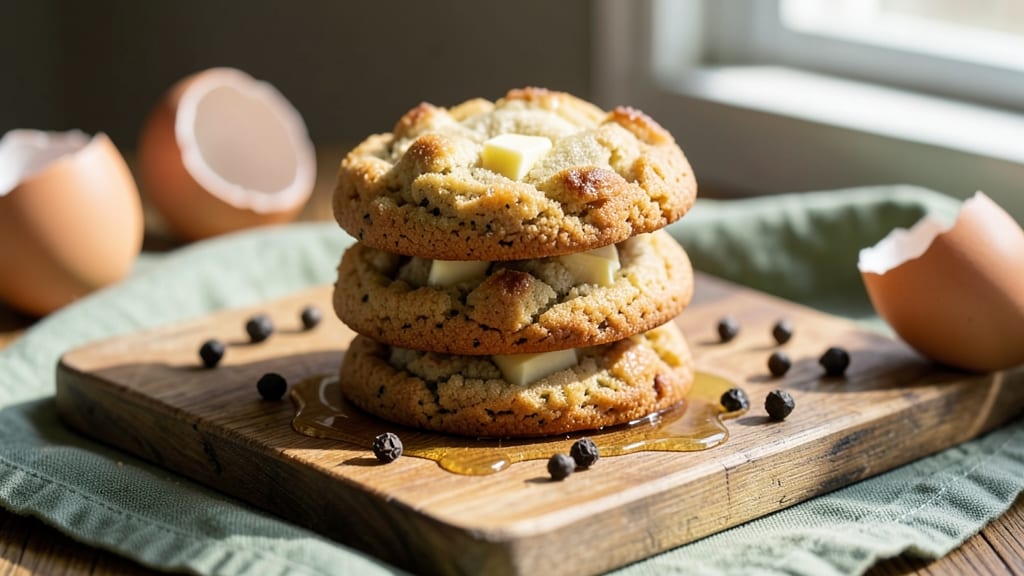
This basic gluten-free cookie recipe delivers the perfect balance of crispy edges and chewy centers—without sacrificing texture or flavor. After years of testing and tweaking, I’ve developed a foolproof method that uses simple ingredients to create cookies that rival their wheat-based counterparts.
The secret lies in the right gluten-free flour blend and proper mixing technique, ensuring they bake up with that signature cookie appeal.
The recipe relies on a 1:1 gluten-free flour blend (like Bob’s Red Mill or King Arthur) combined with xanthan gum for structure, while brown sugar and butter create the classic cookie texture.
Unlike many gluten-free recipes, these cookies don’t crumble or spread too much—they hold their shape while delivering that satisfying bite. Chilling the dough for at least 30 minutes is key to preventing excessive spreading during baking.
By the time they emerge from the oven, you’ll have golden-brown cookies with crisp edges and a soft, chewy center—just like the ones you remember from childhood. The aroma of vanilla and brown sugar fills the kitchen, and the first bite delivers that perfect balance of sweetness and texture.
This recipe is designed to be adaptable, so you can easily swap in almond butter for dairy-free or egg-free alternatives if needed.
Whether you’re baking for a holiday treat or just craving a classic cookie, this recipe ensures foolproof results every time. The instructions are straightforward, and the ingredients are easy to find, making it perfect for both beginners and experienced bakers. Let’s get started on creating cookies that everyone will love.
Ingredients for basic gluten free cookie
Twelve simple ingredients transform into foolproof gluten-free cookies with crispy edges and chewy centers.
| Ingredient | Amount | Notes |
|---|---|---|
| 1:1 Gluten-Free Flour Blend 🌾 | 2 ½ cups | Bob’s Red Mill or King Arthur preferred |
| Xanthan Gum 🧂 | ½ tsp | Ensures proper dough structure |
| Unsalted Butter 🧈 | 1 cup | Cold, cubed for even texture |
| Light Brown Sugar 🍯 | 1 cup | Packed, for chewy centers |
| Granulated Sugar 🍚 | ½ cup | For crispy edges |
| Large Eggs 🥚 | 2 whole | Room temperature for blending |
| Pure Vanilla Extract 🌿 | 1 tbsp | High-quality for rich flavor |
| Diamond Crystal Kosher Salt 🧂 | ½ tsp | Fine grain preferred |
| Almond Extract (optional) 🌿 | ¼ tsp | For depth of flavor |
| Chocolate Chips (optional) 🍫 | 1 ½ cups | Enjoy Life brand for allergy-safe |
| White Chocolate Chips (optional) 🍫 | ½ cup | For classic cookie variation |
| Almond Butter (optional) 🥜 | ½ cup | For dairy-free alternative |
The gluten-free flour blend is non-negotiable here—Bob’s Red Mill or King Arthur are the gold standards, delivering that perfect balance of texture without crumbling. Xanthan gum is your secret weapon for structure; if your blend doesn’t include it, add it separately. For the butter, cold cubes create pockets of fat that melt into those signature crispy edges. Brown sugar is packed tightly for chewiness, while granulated sugar ensures the perfect caramelized crust. Eggs should be at room temperature—cold eggs can cause the dough to spread too much. Pro tip: King Arthur’s 1:1 blend includes xanthan gum, so check the label before adding extra.
No vanilla extract? Almond extract at half the amount works in a pinch, though it adds a nutty depth. Want to skip eggs? Flax eggs (2 tbsp ground flaxseed + 6 tbsp water per egg) keep the dough cohesive. Chocolate chips? Enjoy Life brand is a must for allergy-safe baking, but any dairy-free chips work. For a dairy-free twist, swap butter for almond butter—it adds richness and a subtle nutty flavor. The dough will be thicker than traditional cookie dough, but don’t panic—it’s supposed to be that way. If you’re nervous, chill the dough for 45 minutes to prevent spreading.
These cookies keep for 5-7 days in an airtight container at room temperature, though they’re best enjoyed fresh. For longer storage, freeze the dough balls for up to 3 months—bake straight from frozen, adding 1-2 extra minutes. The aroma of vanilla and brown sugar lingers for days, so bake a batch and freeze extras. Trust me, freshly baked is always best, but these hold up beautifully for holiday gifting. Double the recipe—you’ll want seconds.
Why You'll Love This Recipe
- No-Fuss Mixing: I swear by this recipe because it’s literally four ingredients plus a pinch of xanthan gum—no weird substitutions, no measuring headaches. Just cream butter and sugars, toss in the flour blend, and you’re done. Honestly, my kids think I’m a baking genius, and the secret is that I’m not.
- Buttery-Sweet Magic: That combo of brown and white sugar? It’s what makes these cookies taste like nostalgia—chewy edges, crisp centers, and a melt-in-your-mouth richness from the butter. I’ll be real: I’ve tried gluten-free cookies that taste like cardboard, but these? They fool even my gluten-eating friends.
- Party in a Jar: These cookies freeze like champs, so I make a double batch and stash half for when life gets chaotic. Need a last-minute gift? Toss them in a container with ribbon—no one will guess they’re gluten-free. (Yes, even on a Tuesday night.)
- Budget Baking: A stick of butter, two cups of sugar, and a bag of GF flour? That’s it. No specialty ingredients, no markup—just reliable, delicious cookies that cost less than takeout. My wallet and my taste buds thank me every time.
Step-by-step instructions for perfect gluten-free cookies
These cookies deliver crispy edges and chewy centers—every time—using just the right gluten-free blend.
Cream the Butter and Sugars to Fluffy Perfection
In a stand mixer fitted with the paddle attachment, beat the 1 cup unsalted butter (cold and cubed) with the 1 cup light brown sugar and 0.5 cup granulated sugar on medium speed for 3-4 minutes. You're looking for a light, airy texture that nearly doubles in volume and becomes pale in color. This creaming process incorporates air, which creates those signature crackly tops and helps the cookies spread just enough.
I press down on the butter mixture with a spatula halfway through to ensure all the sugar crystals are fully incorporated. If you're using the optional 0.5 cup almond butter, add it now and mix until fully combined. The almond butter adds richness and a nutty depth, but don't overmix—just until smooth. This step is where the magic begins, so don't rush it.
Add Eggs, Vanilla, and Salt for Structure and Flavor
Add the 2 whole large eggs (room temperature) one at a time, mixing on low speed for 30 seconds after each addition. This gradual addition prevents the eggs from scrambling in the fat. Then stir in the 1 tbsp pure vanilla extract, 0.5 tsp diamond crystal kosher salt, and the optional 0.25 tsp almond extract. Mix on low speed for another 30 seconds until fully combined.
The mixture might look slightly curdled at first, but don't worry—this is normal. The gluten-free flour blend will smooth everything out in the next step. Here's where the xanthan gum comes into play: it mimics the structure gluten provides in traditional cookies, ensuring your cookies hold their shape without becoming crumbly.
Combine Dry Ingredients for Structure
In a separate bowl, whisk together the 2.5 cups 1:1 gluten-free flour blend and the 0.5 tsp xanthan gum. This blend is specifically designed to mimic the texture of all-purpose flour, but the xanthan gum is crucial—it binds the dough and prevents crumbling. Gradually add the dry ingredients to the wet mixture in the mixer, mixing on low speed for 30-45 seconds until just combined.
You should still see a few flour streaks, but the dough should come together into a cohesive mass. Overmixing develops gluten-like properties in the flour blend, which can make your cookies tough. If you're adding the optional 1.5 cups chocolate chips or 0.5 cup white chocolate chips, fold them in by hand using a silicone spatula. This ensures even distribution and prevents the chips from melting prematurely.
Chill the Dough for Better Texture
Cover the bowl with plastic wrap and refrigerate the dough for at least 30 minutes (I prefer 1 hour or even overnight). Chilling is non-negotiable for gluten-free cookies—it allows the flour to fully hydrate and the butter to firm up, which prevents excessive spreading in the oven. The dough will be stiff and may even crack slightly when you take it out of the fridge, but that's a good sign.
This step also enhances the flavor development. The longer you chill the dough, the more pronounced the vanilla and almond extract flavors become. If you're short on time, at least 30 minutes will make a noticeable difference. Just don't skip it—trust me, your cookies will thank you.
Bake to Golden, Crispy Perfection
Preheat your oven to 350°F and line two baking sheets with parchment paper. Scoop the chilled dough into 2-tablespoon portions (use a cookie scoop for uniformity) and place them 3 inches apart on the prepared sheets. The dough will be stiff, so gently flatten each portion with your fingers to about 0.5-inch thickness. For extra crispy edges, press down slightly on the outer edges.
Bake for 11-13 minutes until the edges are golden brown but the centers still look slightly underdone. Gluten-free cookies bake faster than traditional cookies, so keep an eye on them after 10 minutes. They should pull away from the parchment paper slightly but still be soft in the middle. Let them cool on the baking sheet for 5 minutes before transferring to a wire rack to set completely.
Pro Tips For Making Basic Gluten Free Cookie
- Chill the Dough Properly: I learned this the hard way—skipping the 30-minute fridge rest makes gluten-free cookies spread like pancakes. Use a flat baking sheet, not your hands, to press the dough into discs (they’ll hold shape better), then freeze them for 10 minutes if you’re impatient like me.
- Mix Butter and Sugars Slowly: After burning three batches, I finally figured out: cream the butter and sugars on medium speed for 2-3 minutes until just pale and fluffy. High speed = air pockets that turn cookies flat. And yes, even if you’re using a stand mixer, resist the urge to go full throttle.
- Weigh Your GF Flour: That bagged 1:1 blend is deceptive—scooping it leads to dry, crumbly cookies. Use a kitchen scale for accuracy, and sift the flour twice if it’s clumpy. Xanthan gum needs room to work, and packed cups = overmixed dough.
- Bake One Sheet at a Time: Gluten-free cookies bake faster and hotter than wheat-based ones. Crowd the pan, and they’ll steam instead of crisp. Use parchment paper, space them 2 inches apart, and rotate the sheet halfway through—no, your oven isn’t perfect, even if it claims to be.
Regional styles of basic gluten free cookie
Southern Classic Twist
For a Southern-inspired variation, replace ½ cup granulated sugar with ½ cup turbinado sugar and add ½ tsp cinnamon to the dry ingredients. This creates a subtle caramelized crust with warm spice notes.
I’ve found that King Arthur’s gluten-free flour blend works beautifully with this variation—just reduce the xanthan gum to ¼ tsp since the cinnamon adds natural binding. Bake at 325°F for 12-14 minutes to prevent over-browning while developing those deep, molasses-like flavors. 🌶️
European Almond Joy
Inspired by European almond cookies, swap ½ cup butter for ½ cup almond butter and fold in 1 cup chopped almonds (toasted for extra flavor). Use ½ cup sliced almonds as a topping before baking. These cookies have a delicate crunch from the almonds and a subtle marzipan-like richness.
For a true European touch, replace vanilla with 1 tsp almond extract and reduce the flour to 2 cups—the almonds provide structure. Bake at 325°F for 13-15 minutes to avoid burning the almonds. 🥜
Japanese Matcha Green
Transform your cookies into a Japanese-inspired treat by adding 1 tbsp high-quality matcha powder (like Jade Leaf) to the dry ingredients. Replace ½ cup granulated sugar with ½ cup coconut sugar for a deeper caramelized flavor.
The matcha adds a vibrant green hue and earthy, slightly bitter notes that balance the sweetness. For extra elegance, dust the baked cookies with powdered matcha before serving. Bake at 350°F for 10-12 minutes—these cookies spread less due to the matcha’s natural binding properties. ✨
Italian Amaretti Style
Create an Italian-inspired version by omitting the vanilla and adding 1 tbsp almond extract and ½ cup finely ground almonds to the dry ingredients. Replace ½ cup granulated sugar with ½ cup powdered sugar for a softer texture.
These cookies have a delicate, almost cake-like crumb with a hint of almond flavor. For authenticity, roll the dough into 1-inch balls and flatten them slightly before baking at 325°F for 14-16 minutes. The powdered sugar helps create that signature tender crumb. 🌟
Mexican Cinnamon Sugar
Add a Mexican flair by mixing 1 tsp cinnamon and ½ tsp ground cumin into the dry ingredients, then tossing the baked cookies in a mix of ¼ cup granulated sugar and ½ tsp cinnamon after cooling.
The cumin adds a warm, earthy depth that pairs beautifully with the cinnamon-sugar topping. For extra richness, replace ½ cup butter with ½ cup lard (traditional in Mexican cookies). Bake at 350°F for 11-13 minutes—the lard ensures a crispier texture. 🌶️
Nutrition facts
Frequently asked questions
Why do gluten-free cookies spread more than regular cookies?
Gluten-free cookies lack the natural gluten structure that prevents excessive spreading. The solution? Always chill the dough for at least 30 minutes (longer is better) to firm up the butter and hydrate the flour. Using cold butter and pressing down on the dough balls before baking also helps maintain shape. This recipe's 1:1 gluten-free flour blend with xanthan gum minimizes spreading while keeping texture perfect.
Can I use almond flour instead of gluten-free flour?
Yes, but with adjustments! Replace 2.5 cups gluten-free flour with 2 cups almond flour and add 0.5 cup oat flour for better binding. You'll need 1 extra egg (3 total) since almond flour absorbs more liquid. The texture will be denser but still delicious. For crispy edges, bake at 325°F for 12-14 minutes.
How do I make these cookies egg-free?
Replace each egg with 2 tbsp ground flaxseed + 6 tbsp water (let sit for 5 minutes to thicken). For best results, also reduce the flour by 0.25 cup since flax eggs add moisture. The dough will be softer, so chill for 45 minutes and flatten balls slightly thicker (0.6-inch) before baking.
Why did my cookies turn out crumbly?
Crumbly texture usually means one of three things: overmixing the dough, skipping the chill step, or insufficient xanthan gum. Mix dry ingredients just until combined (no flour streaks left), chill the dough thoroughly, and confirm your flour blend includes xanthan gum. If using a blend without it, add 0.5 tsp extra. Underbaking can also cause crumbling—aim for golden edges with slightly soft centers.
Can I bake these at a higher temperature for crispier cookies?
Not recommended—gluten-free cookies bake faster and are more prone to burning. Stick to 350°F for perfect texture. For extra crispiness, press down on the edges of each dough ball before baking and let them cool on the sheet for 10 minutes before transferring. If you must increase heat, try 375°F but reduce bake time to 10 minutes max.