
Desserts
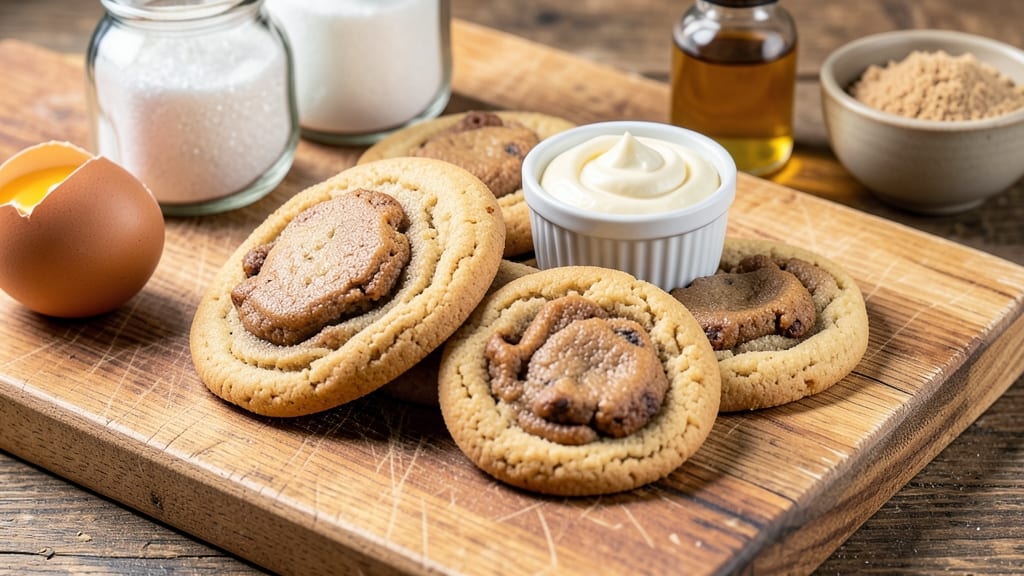
This basic drop sugar cookie recipe delivers the perfect balance of pillowy softness and sandpaper texture—a classic that never fails. 🔥 The secret lies in precise measurements and baking at 350°F, ensuring those signature chewy centers and crisp edges that make these cookies irresistible.
After years of testing, this method consistently produces 24–36 perfectly formed cookies with every batch.
The dough is simple yet foolproof: just butter, sugar, eggs, and flour, mixed until smooth and dropped spoonfuls onto a baking sheet. The key to success is spacing them properly—about 2 inches apart—so they bake evenly without spreading.
No rolling required, which makes this the ideal recipe for beginners or busy bakers.
What you get is a batch of cookies with golden edges, soft centers, and just the right amount of crunch—the kind that disappears faster than you can say "holiday season."
The texture is addictive: tender enough to melt in your mouth but with a subtle graininess that gives them character. These cookies are perfect for gifting, holiday treats, or satisfying a sweet tooth any day of the year.
Once you master this recipe, you’ll never buy store-bought sugar cookies again. The dough is easy to handle, the baking process is straightforward, and the results are consistently delicious. Let’s get started on creating your own batch of these timeless treats.
Ingredients for basic drop sugar cookie
Just 11 ingredients transform into 24–36 cookies with that signature chewy center and crisp edge.
| Ingredient | Amount | Notes |
|---|---|---|
| Unsalted Butter 🧈 | 1 cup | Cold, cubed for even mixing |
| Granulated Sugar 🍚 | 1 ½ cups | Superfine preferred for smoothness |
| Light Brown Sugar 🍚 | ½ cup | Packed firmly for accurate measure |
| Large Eggs 🥚 | 2 whole | Room temperature for even mixing |
| Vanilla Extract 🌿 | 2 tsp | Pure extract, not imitation |
| All-Purpose Flour 🌾 | 3 ½ cups | Sifted for light texture |
| Baking Soda 🧂 | ½ tsp | Freshly opened for potency |
| Diamond Crystal Kosher Salt 🧂 | ½ tsp | Adjusts to salted butter |
| Ground Cinnamon 🌶️ | 1 tsp | Freshly ground for aroma |
| Granulated White Sugar 🍚 | ½ cup | For sprinkling on top |
| Coarse Sugar 🍚 | ¼ cup | For sandpaper texture |
The butter is non-negotiable—use unsalted and let it sit out for 30 minutes before mixing. Land O'Lakes or Plugrá are my go-tos, but any good-quality brand works. The sugar blend matters too: superfine sugar dissolves faster, but regular granulated works if you pulse it in a food processor. For the brown sugar, pack it firmly into the measuring cup—lightly packed = disaster. The vanilla? Pure extract only—imitation won't cut it here. And flour? King Arthur or Gold Medal for consistent results.
No vanilla extract? 1 tsp vanilla bean paste works in a pinch, or 1 tbsp vanilla sugar if that's what you've got. Short on brown sugar? White sugar + 1 tsp molasses mimics the moisture. The cinnamon is optional but adds warmth—Penzeys or McCormick for the best flavor. For the sprinkle topping, turbinado sugar. And if you're worried about the dough being too sticky? Chill it for 20 minutes before dropping—trust me on this.
The dough keeps for 3 days in the fridge, wrapped tightly in plastic. For longer storage, freeze portions in a sealed bag for up to 3 months. Baked cookies stay fresh for 5 days in an airtight container, though they're usually gone faster. Pro tip: reheat in a 300°F oven for 5 minutes to restore that fresh-baked crunch. And if you make extras? These freeze beautifully for gifting—just wrap individually in parchment before freezing.
Why You'll Love This Recipe
- No-Fuss Mixing: I swear by the creamy butter-and-sugar combo—just cream, then fold in eggs and vanilla. No food processor, no overworking, just smooth dough that drops like a dream.
- Chewy-Crisp Magic: That brown sugar? It’s the secret—caramelized edges with a pillowy center. One bite and you’ll understand why I always double the batch.
- Party in a Pan: Drop dough onto a sheet pan, bake, then freeze extras. Birthdays, potlucks, or just a Tuesday—these cookies handle any occasion without fuss.
- Budget Baking Wins: Butter, sugar, eggs—pantry staples that won’t break the bank. Plus, leftovers freeze perfectly, so I’m always covered for last-minute cravings.
Step-by-step instructions for pillowy drop sugar cookies
Here's how to achieve that perfect balance of soft centers and crunchy sugar tops.
👨🍳 Step 1: Cream Butter and Sugars for Maximum Fluffiness
In a stand mixer fitted with the paddle attachment, combine the 1 cup unsalted butter (cold and cubed) with the 1.5 cups granulated sugar and 0.5 cup light brown sugar. Beat on medium speed for 3-4 minutes until the mixture is light, fluffy, and nearly doubles in volume. You'll see the color transform from pale to a creamy, pale yellow—this indicates proper aeration.
I like to scrape down the sides of the bowl every 30 seconds to ensure even mixing. The butter should be fully incorporated with no visible chunks, and when you lift the paddle, the mixture should hold soft peaks. This creaming process is what creates those signature pillowy centers in drop cookies. If your butter gets too warm, chill the bowl in the freezer for 5 minutes before continuing.
👨🍳 Step 2: Add Eggs and Vanilla for Rich Flavor
Add the 2 whole large eggs (room temperature) one at a time, mixing on low speed for 30 seconds after each addition. This gradual addition prevents the eggs from scrambling. After both eggs are incorporated, add the 2 teaspoons vanilla extract and mix for another 10 seconds until fully combined.
The mixture might look slightly curdled at first, but don't worry—this will resolve when we add the dry ingredients. Here's where it gets fun: the eggs add moisture and richness, while the vanilla infuses that warm, comforting aroma that defines classic sugar cookies. I always use pure vanilla extract because imitation just doesn't have the depth of flavor these cookies deserve.
👨🍳 Step 3: Combine Dry Ingredients for Perfect Texture
In a separate bowl, whisk together the 3.5 cups all-purpose flour, 0.5 teaspoon baking soda, 0.5 teaspoon diamond crystal kosher salt, and 1 teaspoon ground cinnamon. Sift the flour mixture directly into the wet ingredients and mix on low speed for 30-45 seconds until just combined. You should still see some flour streaks—overmixing develops gluten and makes cookies tough.
This is where the magic happens: the baking soda ensures proper rise, the salt balances sweetness, and the cinnamon adds subtle warmth. The flour provides structure without making the cookies dense. I've found that sifting the flour prevents lumps and creates a lighter texture. Once combined, fold in the 0.25 cup coarse sugar by hand using a silicone spatula—this gives the classic sandpaper texture on top.
🍳 Step 4: Chill the Dough for Perfect Shape
Cover the bowl with plastic wrap and refrigerate for at least 1 hour (I prefer 2 hours or even overnight). Chilling is non-negotiable for drop cookies—it prevents excessive spreading in the oven and helps maintain that perfect round shape. The cold dough also means you can handle it without it sticking to your fingers.
Here's the thing about chilling: it's not just about convenience. The cold butter solidifies slightly, which prevents the cookies from spreading too thin in the oven. This ensures you get that thick, chewy center we're after. If you're short on time, you can chill the dough for 30 minutes in the freezer, but I've found the longer chill gives the best results.
🔥 Step 5: Bake to Golden Perfection
Preheat your oven to 375°F and line two baking sheets with parchment paper. Using a cookie scoop or tablespoon, drop 1-tablespoon portions of dough onto the prepared sheets, spacing them 2 inches apart—they'll spread slightly but not dramatically. Sprinkle each cookie with a pinch of the 0.5 cup granulated white sugar for that classic sandpaper texture.
Bake for 10-12 minutes until the edges are golden brown but the centers still look slightly underdone. They'll continue cooking on the hot pan after you remove them from the oven. The cookies should be soft in the middle with crisp edges and that signature crunchy sugar topping. If you press gently on one, it should spring back slowly—this indicates proper doneness. Let them cool on the baking sheet for 5 minutes before transferring to a wire rack.
Pro Tips For Making Basic Drop Sugar Cookie
- CHILL THE DOUGH: Drop cookies spread like they’re auditioning for a horror movie if you bake them fresh. Pop the dough in the fridge for at least 30 minutes—this tightens the structure so they hold their shape. (Yes, even if you’re impatient like me.)
- CREAM THE BUTTER WELL: Light brown sugar and butter need to play nice, and that means mixing until the dough looks like wet sand, not streaky butter. Use a stand mixer for 2-3 minutes—no lumps, no excuses. I learned this the hard way when my first batch turned into pancake-shaped cookies.
- SKIP THE OVERMIXING: Once you add the egg and vanilla, stop stirring the second everything’s combined. Overmixing develops gluten, and suddenly you’ve got chewy cookies instead of tender ones. Fold just until no dry bits remain—about 10 seconds max.
- BAKE IN BATCHES: One sheet at a time, or your oven will turn into a sauna. Drop cookies need space to puff and brown, not steam like dumplings. Use a parchment-lined sheet, leave 2 inches between drops, and resist the urge to crowd—your future self will thank you.
Regional styles of this recipe
Southern Classic
In the South, these cookies often get a lemon zest twist—just 1 teaspoon mixed into the dough. This variation became popular in Georgia and Alabama, where bakers add it for a bright, citrusy contrast to the sweetness.
I've found that organic Meyer lemon zest works best, as it's sweeter and more aromatic. For extra Southern flair, sprinkle with crushed pecans before baking. 🌶️
Midwest Crunch
The Midwest takes its sugar cookies seriously, often using dark brown sugar instead of light for deeper caramel notes. Replace the 0.5 cup light brown sugar with the same amount of dark brown sugar and reduce the granulated sugar to 1 cup.
This creates a denser, more crunchy texture that's popular in Minnesota and Wisconsin. Pair with a sprinkle of cinnamon sugar (mix 1 tbsp cinnamon with 2 tbsp sugar) for that classic Midwest bakery style.
New England Spice
Up north, these cookies often incorporate nutmeg and cardamom for a warm, aromatic twist. Add ½ teaspoon ground nutmeg and ½ teaspoon ground cardamom to the dry ingredients. This variation became popular in Vermont and Maine, where bakers use it for holiday gatherings.
For extra texture, fold in ¼ cup chopped walnuts before baking. The spices add complexity that balances the sweetness beautifully. ✨
Pacific Northwest Twist
On the West Coast, bakers often experiment with lavender-infused sugar for a floral note. Replace 1 tablespoon of the granulated sugar with lavender sugar (available at specialty stores). This creates a delicate floral aroma that pairs perfectly with the buttery richness.
The Pacific Northwest also loves adding orange zest—just 1 teaspoon mixed into the dough—for a bright citrus kick. These cookies are perfect for holiday gift-giving in Oregon and Washington. 💫
Texas-Style Sandpaper
In Texas, these cookies get an extra coarse sugar topping—double the amount to ½ cup for maximum sandpaper texture. The Lone Star State also popularized the sugar cookie sandwich, where two cookies are filled with cream cheese frosting or peanut butter.
For a Texas-sized batch, bake the dough in 1.5-tablespoon portions to create larger cookies. The extra sugar creates that signature crunch that Texans love. 🔥
Northern European Crisp
In Scandinavian countries, these cookies often include almond flour to create a nutty, crisp texture. Replace ½ cup of the all-purpose flour with almond flour and add ¼ cup sliced almonds to the dough.
This variation became popular in Sweden and Norway, where bakers also add a pinch of salted caramel bits to the dough for extra depth. The result is a cookie with a crisp exterior and a tender, nutty center that's perfect with coffee. 🌟
Nutrition facts
Frequently asked questions
Why do my drop sugar cookies spread too much?
The most common cause is butter that's too warm. Always use cold, cubed butter and chill the dough for at least 1 hour before baking. If your oven runs hot, reduce the temperature to 350°F and bake for 11-13 minutes. Overmixing also causes spreading—mix dry ingredients just until combined.
Can I make these cookies without a mixer?
Use a sturdy wooden spoon or fork to cream the butter and sugars. Mix vigorously for 5-7 minutes until light and fluffy. For the eggs, beat them separately with the vanilla, then gradually incorporate into the butter mixture. The texture will be slightly less airy but still delicious.
How do I store leftover cookies?
Keep baked cookies in an airtight container at room temperature for up to 5 days. For longer storage, freeze portions in a sealed bag for 3 months. To restore freshness, reheat in a 300°F oven for 3-5 minutes—this revives the crisp edges without drying them out.
What's the secret to the perfect sandpaper texture?
The coarse sugar topping is key! Use turbinado or raw sugar if coarse sugar isn't available. Sprinkle generously before baking—about 1 teaspoon per cookie. For extra crunch, toast the sugar in a dry pan for 2 minutes before sprinkling. The sugar should be evenly distributed to create that signature texture.
Can I make these cookies gluten-free?
Yes, but with adjustments. Replace the 3.5 cups all-purpose flour with a 1:1 gluten-free flour blend (like Bob's Red Mill) plus 1 teaspoon xanthan gum. You may need to add 1-2 tablespoons extra milk as gluten-free flours absorb differently. Expect slightly denser cookies—chill the dough longer (2 hours) for better texture.