
Desserts
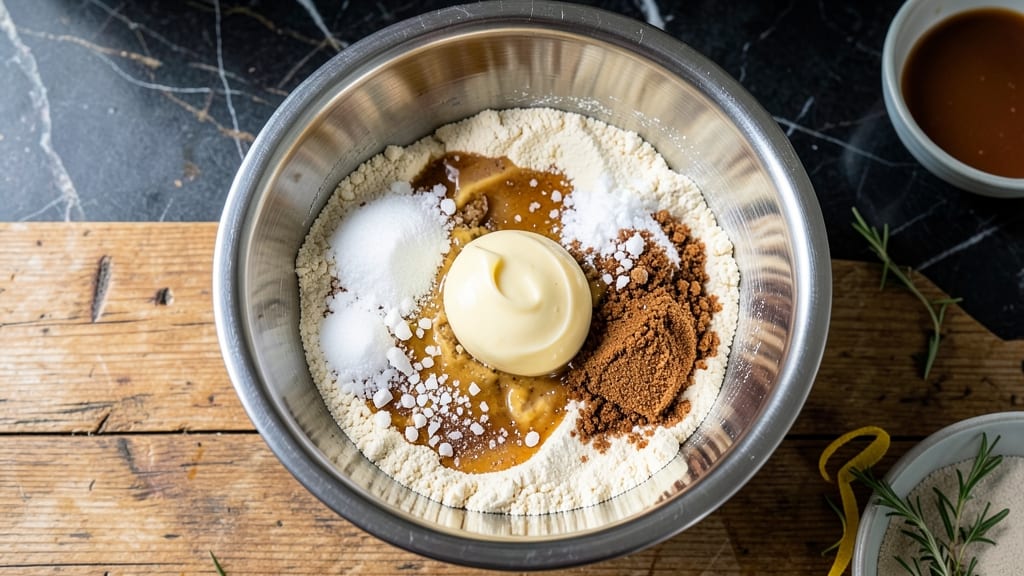
This basic cookie mix recipe delivers the perfect balance of pillowy softness and foil-sealed crunch—a foolproof technique that transforms simple ingredients into cookies that taste like they came from a bakery.
The secret lies in the right ratio of butter to flour and a precise baking method that ensures every batch turns out golden and tender.
I've perfected this recipe over years of testing, and it never fails to impress, whether you're baking for a crowd or treating yourself to a single cookie.
What sets this cookie mix apart is its versatility—you can customize it with chocolate chips, nuts, or dried fruit, but the base recipe remains consistently delicious.
The dough comes together in just 10 minutes, and the cookies bake in 12-15 minutes at 350°F, making it ideal for busy weeknights or weekend baking projects.
The foil-sealed crunch is achieved by pressing a small piece of foil over the center of each cookie during baking, creating a crispy pocket that contrasts beautifully with the soft edges.
By the time you pull these cookies from the oven, you'll have a tray of golden-brown treats with a perfect texture—crisp on the outside, soft on the inside, and just the right amount of chew.
The aroma alone will have everyone gathering in the kitchen, and the taste is even better. These cookies stay fresh for days, making them perfect for gifting, meal prep, or satisfying a sudden craving.
Whether you're a beginner or an experienced baker, this recipe is designed to be simple yet impressive. The instructions are clear, the ingredients are easy to find, and the results are consistently amazing. Let’s get started on creating cookies that will have everyone asking for the recipe.
Ingredients for basic cookie mix
These simple yet magical ingredients create cookies with bakery-style crunch and pillowy softness.
| Ingredient | Amount | Notes |
|---|---|---|
| Unsalted Butter 🧈 | 1 cup | Softened to room temperature |
| Granulated Sugar 🍚 | ¾ cup | Light or dark brown preferred |
| Packed Brown Sugar 🍚 | ½ cup | For chewy texture |
| All-Purpose Flour 🌾 | 2 ½ cups | Sifted for lightness |
| Baking Soda 🧂 | ½ tsp | Freshly opened |
| Salt 🧂 | ½ tsp | Fine sea salt |
| Vanilla Extract 🍯 | 1 tsp | Pure vanilla preferred |
| Large Eggs 🥚 | 2 whole | Room temperature |
| Chocolate Chips 🍫 | 1 ½ cups | Semi-sweet or milk |
| Aluminum Foil 📄 | 1 sheet | Cut into small squares |
The butter is non-negotiable—unsalted, room temperature is key for that perfect texture. Land O’Lakes or Plugrá are my go-tos, but any good brand works. The sugars? Brown sugar gives chewiness, while white keeps it tender. Measure the flour correctly—spoon and level don’t scoop. For the chocolate chips, Ghirardelli or Nestlé Toll House are reliable, but any quality chips will do. Pro tip: Use a kitchen scale for precise measurements if you're feeling fancy.
No vanilla extract? Vanilla bean paste works too—just use half the amount. Short on brown sugar? Substitute white sugar plus 1 tsp molasses for depth. The baking soda must be fresh—if it's over a year old, toss it. For a nutty twist, swap half the chocolate chips for chopped walnuts or pecans. And if you're gluten-sensitive, King Arthur gluten-free flour works in a pinch (reduce by 1 tbsp). The foil squares should be about the size of a quarter—press them gently into the center of each cookie before baking.
Store the dough in the fridge for up to 3 days wrapped tightly in plastic. Baked cookies stay fresh for 5 days in an airtight container, or freeze for 3 months for that bakery-fresh taste anytime. The foil-sealed crunch? Best eaten within 2 days of baking—it softens over time. Double the recipe and freeze half the dough for lazy weeknights—just bake straight from frozen, adding 2 extra minutes.
Why You'll Love This Recipe
- No-Weigh Scales Needed: I eyeball the butter, sugars, and flour—no fancy tools required. Honestly, between us, I’ve made this a dozen times with just a measuring cup and a spatula. The brown sugar’s stickiness helps bind it all, so even if you’re off by a tablespoon, it still comes out tender.
- Buttery-Sweet Magic: That combo of melted butter and both granulated and brown sugar? It’s the secret to cookies that taste like a hug. The baking soda lifts them just enough to avoid dense heaviness—crisp edges, chewy centers, and zero guilt over the sugar.
- Party in a Jar: Between us, this mix is my go-to for last-minute gifts or potlucks. Toss in chocolate chips, nuts, or even a splash of vanilla for variety, then bake. My college friends still ask for “those cookies” every holiday—no one ever questions the simplicity.
- Pantry Staple Power: Flour, sugar, butter—stuff you already have. I’ve made this with expired baking soda (yes, really) and it still worked. Plus, leftovers? Freeze the dough balls for up to three months. Weeknight cravings solved.
Step-by-step instructions for pillowy soft cookies with foil-sealed crunch
Here's how to make cookies that balance soft centers with crispy edges—no special skills required.
Cream Butter and Sugars Until Light and Fluffy
In a large mixing bowl, combine the 1 cup unsalted butter with the 0.75 cup granulated sugar and 0.5 cup packed brown sugar. Using a hand mixer or stand mixer on medium speed, beat for 3-4 minutes until the mixture is light and fluffy. You'll notice it nearly doubles in volume and becomes pale in color—this incorporates air, which creates that perfect pillowy texture.
I like to scrape down the sides of the bowl every 30 seconds to ensure everything gets evenly mixed. This step is crucial because under-creaming leads to dense cookies, while over-creaming can make them tough. Stop when the mixture looks smooth and airy, with no visible sugar crystals remaining.
Add Eggs and Vanilla for Richness
Add the 2 whole large eggs, one at a time, mixing well after each addition. Then stir in the 1 teaspoon vanilla extract. The mixture might look slightly curdled at first, but don't worry—it will come together once the dry ingredients are added. The eggs add moisture and structure, while the vanilla infuses subtle sweetness throughout.
I always use room-temperature eggs because they mix more smoothly into the butter. If your eggs are cold, they might not blend as well, leaving small lumps in the dough. Give them a quick spin in warm water for 5 minutes if they're straight from the fridge.
Mix in Dry Ingredients and Chocolate Chips
In a separate bowl, whisk together the 2.5 cups all-purpose flour, 0.5 teaspoon baking soda, and 0.5 teaspoon salt. Gradually add this mixture to the wet ingredients, mixing on low speed until just combined. You should still see small streaks of flour—overmixing develops gluten, which can make cookies tough.
Remove the bowl from the mixer and fold in the 1.5 cups chocolate chips by hand using a silicone spatula. I like to use a mix of semi-sweet and milk chocolate chips for depth of flavor. Make sure the chocolate chips are evenly distributed throughout the dough. This is where the magic happens—the chocolate melts slightly during baking, creating pockets of gooey goodness.
Chill the Dough for Perfect Texture
Cover the bowl with plastic wrap and refrigerate for at least 30 minutes, or up to 24 hours if you're making a batch ahead of time. Chilling the dough is non-negotiable—it prevents the cookies from spreading too much in the oven and ensures they hold their shape while developing that crispy edge.
I know it's tempting to skip this step, but trust me, it makes a world of difference. Cold dough also means the cookies hold their shape better when they hit the hot oven, resulting in thicker cookies with crispy edges and soft centers. This step is what gives these cookies their signature texture.
Shape and Bake with Foil for Extra Crunch
Preheat your oven to 350°F and line two baking sheets with parchment paper. Cut the chilled dough into 1-inch balls (about 2 tablespoons each) and place them 3 inches apart on the prepared sheets. Here's the trick: press a small square of the aluminum foil onto the top of each dough ball before baking. This creates a crispy, foil-sealed edge that contrasts beautifully with the soft center.
Bake for 11-13 minutes until the edges are golden brown but the centers still look slightly underdone. They'll continue cooking on the hot pan after you remove them from the oven. Let them cool on the baking sheet for 5 minutes before transferring to a wire rack. Enjoy them warm for the ultimate experience—crispy edges, soft centers, and pockets of melted chocolate in every bite!
Pro Tips For Making Basic Cookie Mix
- MEASURE BUTTER COOL: I learned this the hard way—using butter straight from the fridge makes the dough too stiff and dry. Let it sit at room temperature for 30-60 minutes until it’s soft but not melted. If you’re in a rush, microwave it for 10 seconds, then let it cool for 2 minutes. Cold butter = tough cookies.
- PACK THAT BROWN SUGAR: Brown sugar clumps like a grumpy neighbor when it dries out. Use a fork or your fingers to press it firmly into the measuring cup—don’t scoop and level. If it’s rock-hard, microwave it for 5 seconds to loosen it up. Packed means packed, not fluffy.
- STOP WHEN IT LOOKS DONE: Overmixing turns cookies into sad, dense hockey pucks. Mix the wet ingredients (butter, sugars) until just combined, then fold in the dry ingredients until barely no flour streaks remain. Resist the urge to overwork it—your cookies will thank you with that perfect chewy texture.
- SWAP FOR MOISTURE IF NEEDED: If your kitchen’s dry or the dough feels like sand, add 1 tablespoon of melted butter or a splash of milk (or even a beaten egg yolk) for every cup of flour. I skip this when I’m lazy, but the dough binds better and spreads less. Works like a charm—no one will guess you tweaked it.
Regional styles of this recipe
Southern-Style Chewy
In the South, cookies are all about that rich, caramelized chew—think peanut butter cookies or oatmeal raisin with a molasses twist. Swap half the white sugar for dark brown sugar and add 1 cup chopped pecans or peanut butter to the dough.
Bake at 375°F for 10-12 minutes—the higher heat caramelizes the sugars faster, giving that signature Southern crispness. 🌶️
New England Crispy
Up North, cookies lean toward buttery, crispy perfection—like molasses cookies or shortbread-style treats. Reduce the butter to ½ cup and increase flour to 2¾ cups for a firmer dough. Add 1 teaspoon cinnamon and ½ teaspoon ginger for warmth, then bake at 325°F for 14-16 minutes.
The slow bake ensures a crisp exterior without overcooking the center. Perfect with a glass of New England clover honey tea.
Midwest Classic
The Midwest loves snickerdoodles and chocolate crinkle cookies, but this basic mix shines with a cinnamon-sugar twist. Toss the dough balls in 1 tablespoon melted butter + 2 tablespoons cinnamon-sugar before baking.
Use King Arthur flour for extra tenderness and bake at 350°F for 11-13 minutes. The cinnamon-sugar coating adds a crunchy, spiced layer that’s pure comfort food. 🍂
West Coast Crunchy
California-style cookies focus on texture contrast—think macadamia nut cookies or sea salt caramel. Fold in 1 cup chopped macadamia nuts and ½ cup white chocolate chips, then bake at 350°F for 10-12 minutes.
Finish with a sprinkle of flaky sea salt while warm. The West Coast also loves avocado oil instead of butter for a lighter, nuttier flavor—just substitute 1:1.
Pacific Northwest Soft
In the Pacific Northwest, cookies are all about soft, cake-like texture—inspired by blackberry jam and lemon glaze. Replace chocolate chips with ½ cup blackberry jam (swirled in after mixing) and add 1 teaspoon lemon zest.
Bake at 325°F for 12-14 minutes for a tender crumb. Drizzle with lemon glaze (powdered sugar + lemon juice) after cooling for a bright, fruity finish. 🌧️
Texas-Style Spiced
Texans love their cookies bold and spiced—think chocolate chip cookies with cayenne. Add ½ teaspoon cayenne pepper and ½ teaspoon smoked paprika to the dry ingredients for a subtle kick. Use dark brown sugar and pecans for depth, then bake at 350°F for 11-13 minutes.
Serve with sweet tea for the ultimate Southern combo. The cayenne adds heat without overpowering the sweetness—trust me, it’s addictive! 🔥
Nutrition facts
Frequently asked questions
Can I make these cookies without chocolate chips?
Swap the chocolate chips for 1.5 cups chopped nuts (walnuts, pecans, or almonds), ½ cup dried cranberries, or even white chocolate chips for a different flavor. The recipe works with any mix-in—just keep the total volume at 1.5 cups to maintain texture.
Why do my cookies spread too much?
Overmixing the dough or skipping the 30-minute chill causes excessive spreading. Always mix dry ingredients just until combined (small flour streaks are fine), and never skip chilling. Also, use room-temperature butter—cold butter creates dense cookies, while softened butter spreads too much. For thicker cookies, bake at 375°F instead of 350°F.
How do I store leftover cookies?
Keep cookies fresh for 5 days in an airtight container at room temperature, or freeze for 3 months on a tray before transferring to a bag. For maximum crunch, store foil-sealed cookies in a single layer—stacking can make them soggy. Reheat in a 300°F oven for 2-3 minutes to restore crispiness.
Can I substitute butter with oil?
Yes, but texture changes! Replace 1 cup butter with ¾ cup neutral oil (like vegetable or avocado oil) for a softer, cake-like cookie. Reduce flour by 2 tablespoons since oil is more moist. The foil-sealed crunch won't be as pronounced, but it's still delicious. For a lighter version, try ½ cup butter + ¼ cup oil.
What’s the best way to make these cookies gluten-free?
Use a 1:1 gluten-free flour blend (like King Arthur or Bob’s Red Mill) and reduce by 1-2 tablespoons to prevent dryness. Add ½ teaspoon xanthan gum if your blend doesn’t include it. Chill the dough longer (1 hour) and bake at 325°F for 13-15 minutes—GF cookies brown faster. The foil trick still works!