
Desserts
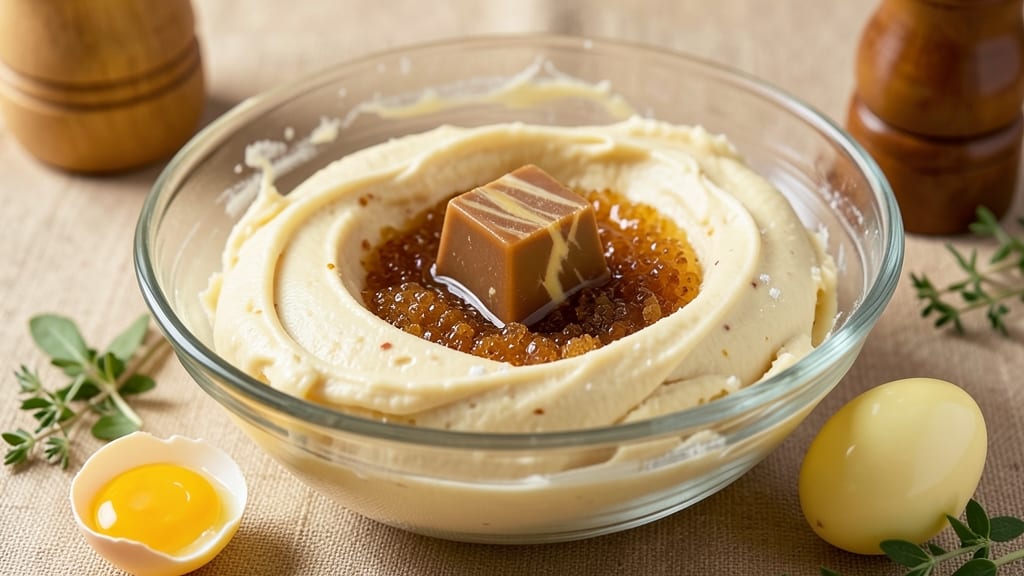
This basic butter cookie dough recipe delivers classic, foolproof cookies with rich chocolate chunks and nutty swirls that beg for seconds. 💛 The secret lies in proper dough handling—creaming butter and sugar just right creates that signature tender texture, while chilling ensures even baking.
I've perfected this method over years of baking, and it never fails to impress. What makes these cookies special is their balanced flavor profile: sweet but not cloying, with pockets of melted chocolate and crunchy nuts in every bite.
The dough is simple to mix in one bowl, then rolled and cut for perfectly shaped cookies. For best results, let the dough rest in the fridge for at least 30 minutes before baking—this step prevents spreading and ensures golden edges.
By the time they emerge from the oven, you'll have cookies with crispy edges and soft, chewy centers, all studded with chocolate and nuts. The aroma alone will have everyone gathering in the kitchen. These cookies stay fresh for days when stored properly, making them perfect for baking ahead.
Whether you're a beginner or experienced baker, this recipe delivers restaurant-quality results with minimal effort. Let's get started on creating these timeless treats!
Ingredients for basic butter cookie dough
Classic cookie dough essentials with chocolate chunks and nutty swirls for timeless treats.
| Ingredient | Amount | Notes |
|---|---|---|
| Unsalted Butter 🧈 | 1 cup | Softened to room temperature |
| Granulated Sugar 🍚 | ¾ cup | White or light brown |
| Packed Brown Sugar 🍚 | ½ cup | Light or dark variety |
| Large Eggs 🥚 | 2 whole | Room temperature preferred |
| All-Purpose Flour 🌾 | 2 ½ cups | Sifted for light texture |
| Baking Soda 🧂 | ½ tsp | Pure baking soda |
| Salt 🧂 | ½ tsp | Fine sea salt |
| Pure Vanilla Extract 🌿 | 1 tsp | High-quality vanilla |
| Semisweet Chocolate Chunks 🍫 | 1 cup | High-quality chocolate |
| Chopped Walnuts 🌰 | ¾ cup | Toasted lightly |
| Powdered Sugar 🍚 | ¼ cup | For rolling cookies |
The butter is non-negotiable—unsalted, room temperature is key for that tender texture. Plugrá or Land O'Lakes are reliable brands, but any good-quality unsalted works. Brown sugar adds moisture and chewiness, so don't skimp. Domino or Gold Medal flour are my go-tos, but any all-purpose works if it's fresh. Chocolate chunks make or break these cookies—Ghirardelli or Guittard are worth the splurge. Walnuts should be lightly toasted for extra flavor, but raw works in a pinch. The vanilla extract? Use pure, not imitation—it makes a noticeable difference.
No vanilla extract? Vanilla bean paste works too, or even a teaspoon of vanilla sugar. Out of walnuts? Pecans or almonds are great substitutes. Chocolate chunks too expensive? Chop a chocolate bar—just make sure it's high-quality semisweet. The dough will be sticky, but that's normal. If it feels too soft, chill it longer. For extra flavor, add a pinch of cinnamon or a dash of almond extract. And if you're feeling fancy, swap half the walnuts for candied pecans.
Dough keeps for 3 days in the fridge, wrapped tightly in plastic. For longer storage, freeze dough balls for up to 3 months. Cookies stay fresh for 5 days in an airtight container. Pro tip: roll the baked cookies in powdered sugar right after they cool—they'll look stunning and taste even better. Store cookies in layers with parchment paper to keep them crisp. These cookies reheat beautifully in a 300°F oven for 5 minutes—perfect for reviving stale ones.
Why You'll Love This Recipe
- No Weird Ingredients: I swear by this combo—just butter, sugars, eggs, and flour. No fancy extracts or weird add-ins. That means fewer trips to the store and zero guessing. Honestly, if you’ve got a pantry, you’ve got this.
- Chewy Magic: The brown sugar keeps them soft, while the butter makes every bite rich and tender. I’ll be real: it’s that crispy edge with the gooey center that hooks you. (Yes, even on a Tuesday night.)
- Budget Buster: Butter and flour are cheap staples, and this recipe stretches far. Between us, I’ve made this for 12 people for under $10. That’s a win for parties, potlucks, or just feeding the kids without breaking the bank.
Step-by-step instructions for chunky chocolate and nut butter cookies
Here's how to create perfectly chewy cookies with rich chocolate and nut swirls every time.
👨🍳 Step 1: Cream Butter and Sugars to Light and Fluffy
In a stand mixer fitted with the paddle attachment, combine the 1 cup unsalted butter, 0.75 cup granulated sugar, and 0.5 cup packed brown sugar. Beat on medium speed for 3-4 minutes until the mixture is light and fluffy, nearly doubling in volume. You'll see it go from pale to creamy with ribbons forming when you lift the paddle.
This creaming process incorporates air, which creates those signature crackly tops and helps the cookies spread just enough. I press my finger into the butter mixture—it should leave a slight indent but hold its shape. If it's too soft, chill for 10 minutes before proceeding. The butter must be softened but not melted.
👨🍳 Step 2: Add Eggs and Vanilla for Richness
Add the 2 whole large eggs, one at a time, mixing on low speed for 30 seconds after each addition until fully incorporated. Then add the 1 teaspoon pure vanilla extract and mix for another 10 seconds. The mixture will look slightly curdled, but don't worry—this will smooth out when you add the dry ingredients.
I always use room temperature eggs for best results. They blend more smoothly and create a lighter texture. If your eggs are straight from the fridge, let them sit in warm water for 5 minutes first. The vanilla extract should be high-quality—you'll taste the difference in the final cookies.
👨🍳 Step 3: Combine Dry Ingredients and Fold in Chocolate and Nuts
In a separate bowl, whisk together the 2.5 cups all-purpose flour, 0.5 teaspoon baking soda, and 0.5 teaspoon salt. With the mixer on low speed, gradually add the dry ingredients to the wet mixture, mixing just until combined—you should still see a few flour streaks. This prevents overmixing which makes cookies tough.
Remove the bowl from the mixer and gently fold in the 1 cup semisweet chocolate chunks and 0.75 cup chopped walnuts using a silicone spatula. Be careful not to overmix—just distribute them evenly. The dough should be soft but manageable. If it's too sticky, chill for 15 minutes before proceeding.
⏰ Step 4: Chill the Dough for Perfect Texture
Cover the dough bowl with plastic wrap and refrigerate for at least 30 minutes (I prefer 1 hour or even overnight). Chilling is crucial—it firms up the butter so the cookies hold their shape better in the oven. It also allows the flour to fully hydrate, which creates that perfect chewy texture.
Real talk: Don't skip this step. Cold dough means thicker cookies with crispy edges and gooey centers. If you're in a hurry, you can freeze the dough for 20 minutes instead, but chilling in the fridge gives the best results. The dough should be firm enough to roll into balls without sticking to your hands.
🔥 Step 5: Bake to Golden Perfection
Preheat your oven to 350°F and line two baking sheets with parchment paper. Using a cookie scoop or tablespoon, portion the dough into 1.5-tablespoon sized balls (about 16 cookies total) and place them 2 inches apart on the prepared sheets. I like to flatten them slightly with my palm to create a thicker center.
Bake for 11-13 minutes until the edges are golden brown but the centers still look slightly underdone. They'll continue cooking on the hot pan after you remove them. Let them cool on the baking sheet for 5 minutes before transferring to a wire rack. For extra flavor, roll the warm cookies in 0.25 cup powdered sugar while they're still warm.
Pro Tips For Making Basic Butter Cookie Dough
- Chill the Butter First: Cold butter makes a difference—take it out of the fridge 15 minutes before mixing, but don’t let it soften completely. I learned this the hard way when my dough turned greasy and spread too much in the oven. Room-temp butter is a recipe for disaster here.
- Use Packed Brown Sugar: Don’t scoop that brown sugar straight from the bag—pack it tightly into the measuring cup. I used to eyeball it, and my cookies always came out denser than they should’ve. A proper pack means consistent sweetness and texture every time.
- Mix Just Until Combined: Overworking the dough after adding flour makes cookies tough. Stop mixing the second the flour disappears—no need to chase streaks. I used to beat it like I was kneading bread, and my cookies turned out like hockey pucks.
- Add Vanilla Extract Last: Fold in the vanilla at the very end, right before rolling the dough. It keeps the flavor bright and prevents the alcohol from evaporating too soon. I skipped this once, and the cookies tasted flat—now I never forget.
Troubleshooting this recipe
Dough Too Sticky
If your dough feels too soft or sticky to handle, it's likely because the butter is too warm or the flour needs more time to hydrate. First, try chilling the dough for an additional 15-20 minutes—this firms up the butter and tightens the gluten strands.
If it's still too sticky, sprinkle a little extra all-purpose flour (about 1 tablespoon at a time) while mixing, but don’t overdo it or your cookies will turn out dry.
I’ve found that using Domino flour (which has a slightly higher protein content) helps absorb excess moisture better than some other brands. 🧈
Cookies Spread Too Much
Over-spread cookies usually mean the butter was too soft or the dough wasn’t chilled long enough. To fix this, always chill the dough for at least 1 hour before baking—this firms up the butter and prevents excessive spreading.
If you’re in a rush, pop the dough in the freezer for 20 minutes instead. Also, make sure your oven is fully preheated to 350°F before adding the cookies. I use an oven thermometer to double-check—sometimes home ovens run hot or cold. Another trick?
Flatten the dough balls slightly before baking to create a thicker center that holds its shape better. 🔥
Cookies Too Dry or Cakey
If your cookies turn out dry or cakey, it’s likely because the dough was overmixed or the butter was melted instead of softened. To avoid this, mix the dry ingredients into the wet mixture just until combined—you should still see a few flour streaks.
Also, ensure your butter is softened but not melted (it should leave a slight indent when pressed). If the dough feels too dry, add 1 teaspoon of milk or heavy cream and mix gently.
For extra richness, I sometimes replace 1 tablespoon of butter with the same amount of brown sugar butter—this adds moisture and chewiness. 💡
Chocolate Not Melting
If your chocolate chunks aren’t melting properly in the oven, it’s usually because they’re too large or the oven isn’t hot enough. For best results, use high-quality semisweet chocolate chunks (like Ghirardelli) and chop them into ½-inch pieces before folding them into the dough.
If you’re worried about them not melting, bake the cookies for 1-2 minutes longer—the residual heat will finish the job. Pro tip: Place the baking sheet on the middle rack of the oven for even heat distribution.
If you’re still struggling, try swapping chocolate chunks for chocolate chips—they’re designed to melt perfectly. 🍫
Nuts Not Toasted Enough
If your walnuts (or other nuts) taste bland, they likely weren’t toasted enough before mixing into the dough. To fix this, lightly toast them in a dry skillet over medium heat for 3-5 minutes, stirring constantly until fragrant. Let them cool completely before chopping and folding into the dough.
For extra flavor, I like to add a pinch of cinnamon or smoked paprika to the nuts before toasting. If you’re short on time, you can even pulse them quickly in a food processor to release their oils, which adds richness. 🌰
Cookies Burn Before Baking Through
Burnt edges while the centers stay underdone usually mean your oven runs too hot or the cookies are too close together. First, reduce the oven temperature to 325°F and bake for 1-2 minutes longer. Also,
Nutrition facts
Frequently asked questions
Can I substitute butter with margarine or oil?
For the best texture, stick with unsalted butter—it creates that signature tender, chewy quality. Margarine works in a pinch (use the same amount), but it lacks flavor and may make cookies slightly denser. Oil isn't ideal for this recipe as it prevents proper browning and affects the cookie's structure. If you're avoiding dairy, consider using coconut oil (solid at room temperature) for a similar texture.
How do I prevent my cookies from spreading too much?
Chilling the dough is key! Let it rest in the fridge for at least 1 hour (or overnight) to firm up the butter. Also, flatten the dough balls slightly before baking to create a thicker center that holds its shape. Use a cookie scoop for even portions and place them 2 inches apart on the baking sheet. If your oven runs hot, reduce the temperature to 325°F and bake for 1-2 minutes longer.
Can I make this dough ahead of time?
This dough keeps well in the fridge for 3 days when wrapped tightly in plastic. For longer storage, freeze dough balls (unbaked) for up to 3 months. Thaw in the fridge overnight before baking. The flavors actually improve after resting—chilling develops the cookie's texture and deepens the chocolate and nut flavors. Pro tip: Roll the dough into balls and freeze them on a tray before transferring to a bag for easy portioning later.
What if I don't have chocolate chunks or walnuts?
No problem! Swap chocolate chunks for chocolate chips (they melt perfectly) or chop a chocolate bar into small pieces. For nuts, pecans or almonds work beautifully—just toast them lightly first. If you're nut-free, omit them entirely or add dried cranberries or white chocolate chips instead. The recipe will still taste delicious with these substitutions. For extra flavor, add ½ teaspoon cinnamon or a dash of almond extract to the dough.
Why did my cookies turn out cakey instead of chewy?
Cakey cookies usually happen when the butter melts during mixing or the dough is overmixed. Always use softened but not melted butter (it should hold its shape when pressed). Mix the dry ingredients just until combined—stop as soon as you see a few flour streaks. If the dough feels too dry, add 1 teaspoon of milk or heavy cream. For extra chewiness, replace 1 tablespoon of butter with brown sugar butter (mix equal parts butter and brown sugar).