
Desserts
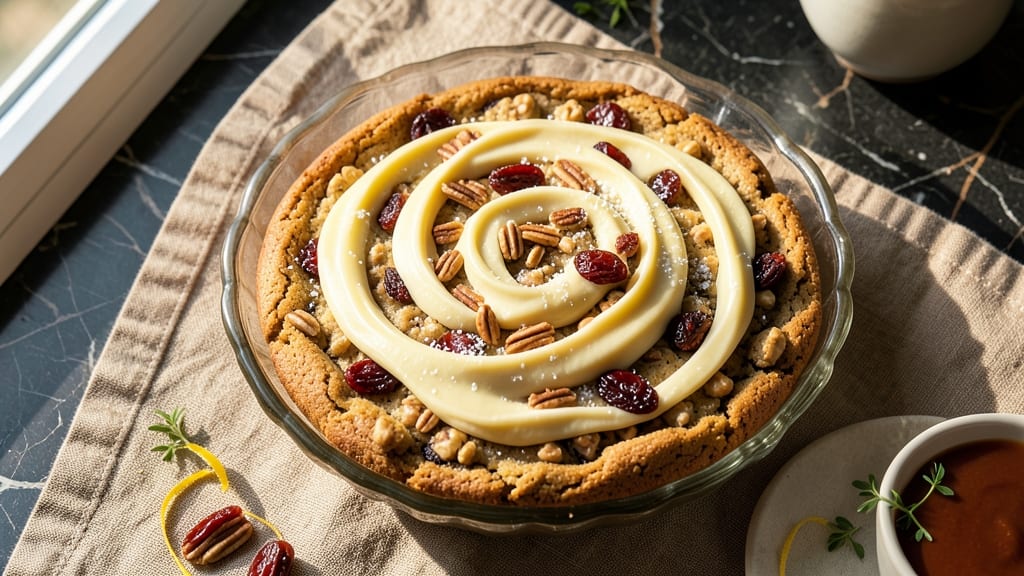
Bakery-style oatmeal raisin cookies deliver that perfect balance of pillowy centers and crispy edges—the kind you'd find in any trusted bakery.
This recipe combines classic techniques with simple shortcuts to ensure every batch turns out tender yet sturdy, with chewy texture and just the right amount of chew from the oats. The secret lies in proper mixing and baking times that transform ordinary ingredients into something extraordinary.
What sets these cookies apart is the foolproof method that guarantees consistent results every time. We'll use a combination of brown and white sugar for depth of flavor, while the oats add texture and a subtle sweetness.
Raisins should be plump and moist—soaking them in warm water first ensures they stay juicy and spread evenly throughout the dough. The dough itself gets chilled before baking, which prevents over-spreading and helps maintain that signature bakery-style shape.
By the time these cookies emerge from the oven, you'll have golden-brown edges with a crackly texture, giving way to soft, slightly chewy centers.
The aroma alone will make your kitchen feel like a bakery, and the taste—sweet, spiced, and just slightly caramelized—is worth every minute of the 12-minute bake time. These cookies are perfect for holiday baking, potlucks, or simply satisfying that afternoon craving for something warm and comforting.
The best part? This recipe scales easily, so you can bake a single batch for personal enjoyment or double it for sharing. Whether you're a beginner or an experienced baker, the techniques here ensure success without the guesswork.
Let's get started on creating cookies that taste like they came straight from your favorite bakery.
Ingredients for bakery style oatmeal raisin cookie
Pantry staples and a few bakery secrets—these ingredients transform into cookies that taste like they came straight from a trusted bakery.
| Ingredient | Amount | Notes |
|---|---|---|
| Unsalted Butter 🧈 | 1 cup | Softened but not melted |
| Light Brown Sugar 🍚 | 1 cup | Packed firmly, not rounded |
| Granulated White Sugar 🍚 | ½ cup | For crispy edges |
| Large Eggs 🥚 | 2 whole | Room temperature preferred |
| Pure Vanilla Extract 🌿 | 2 tsp | High-quality, not imitation |
| All-Purpose Flour 🌾 | 2 ½ cups | Sifted, spooned lightly |
| Baking Soda 🧂 | 1 tsp | Ensures proper rise |
| Ground Cinnamon 🌶️ | 2 tsp | Warm, not spicy |
| Ground Nutmeg 🌶️ | ½ tsp | Freshly grated preferred |
| Sea Salt 🧂 | ½ tsp | Fine grain, not iodized |
| Old-Fashioned Rolled Oats 🥣 | 2 cups | Not quick oats |
| Raisins 🍇 | 1 ½ cups | Plump, soaked in warm water |
| Vanilla Bean Seeds (optional) 🌿 | ½ tsp | For extra depth |
Butter quality makes all the difference here. Land O'Lakes or Plugrá are my go-tos—avoid margarine or overly salted butter. The brown sugar should be packed firmly, not rounded, for that perfect caramelized flavor. If you're feeling fancy, grab a vanilla bean and scrape out the seeds for an extra layer of richness. Raisins? Golden raisins work best, but any plump variety will do. Soak them in warm water for 10 minutes before adding to the dough—this keeps them juicy and prevents dry cookies. The oats need to be old-fashioned rolled, not quick oats, for that perfect chewy texture. Bob's Red Mill is my preferred brand, but any store-brand works fine.
No brown sugar? Substitute with white sugar plus 1 tbsp molasses—it adds depth. Short on raisins? Chopped dried cranberries or apricots work beautifully, but soak them too. The vanilla extract is non-negotiable—imitation vanilla has a weird aftertaste. If you're gluten-free, swap the all-purpose flour for a 1:1 gluten-free blend, but expect slightly different texture. The cinnamon should be fresh ground if possible, but the jarred stuff is fine in a pinch. Nutmeg is optional but adds warmth—if you skip it, add an extra pinch of cinnamon. The baking soda is crucial for that bakery-style rise, so don't substitute with baking powder.
This dough needs to chill for at least 1 hour—trust me, it's worth it. Store it in an airtight container in the fridge for up to 5 days or freeze for 3 months. Scoop the dough into balls using a 2-tbsp cookie scoop for consistent size. Baked cookies keep in an airtight container at room temperature for 5 days, or freeze for 3 months. The secret to keeping them soft? Toss them in a paper bag with a slice of bread—the bread absorbs moisture and keeps them chewy. Double the batch and freeze half for future cravings.
Why You'll Love This Recipe
- No-Fuss Mixing: I swear by this dough—just cream butter, sugars, and vanilla until fluffy, then fold in oats and raisins. No food processor, no stress, just that perfect bakery texture.
- Butter-Sugar Magic: The combo of brown sugar’s caramel depth and white sugar’s crisp bite? It’s what makes these taste like the cookies you’d buy at a bakery, not just bake. That vanilla? Oh, it’s the cherry on top.
- Holiday or Snack: Pack them in jars for teacher gifts, freeze half for later, or grab one straight from the jar when you’re craving something sweet. They’re my go-to for parties, potlucks, or just a Tuesday night.
- Budget Bulk: A single batch costs pennies but fills the house with smell. My kids fight over them, and I always have a stash—because who doesn’t need a cheap, foolproof treat?
Step-by-step instructions for bakery style oatmeal raisin cookies
Here's how to create cookies with that perfect bakery texture—soft centers and crisp edges every time.
Cream Butter and Sugars to Light and Fluffy
In a stand mixer fitted with the paddle attachment, beat the 1 cup unsalted butter and 1 cup light brown sugar on medium speed for 3-4 minutes. You're looking for a light, pale yellow color and nearly doubled volume—the mixture should look like whipped cream. This creaming process incorporates air, which creates those signature crackly tops.
Add the 0.5 cup granulated white sugar and mix for another 1-2 minutes until fully combined. The white sugar helps create crisp edges while keeping the centers tender. Here's the thing—if you rush this step, your cookies will be dense instead of pillowy. I always wait until the butter is completely smooth and the mixture looks fluffy before moving on.
Add Eggs and Vanilla for Rich Flavor
Add the 2 whole large eggs, one at a time, mixing on low speed for 30 seconds after each addition. Scrape down the sides of the bowl to ensure everything incorporates. Then add the 2 teaspoons pure vanilla extract and the 0.5 teaspoon vanilla bean seeds (if using) and mix for another 30 seconds until just combined.
This is where the magic happens—the eggs bind everything together while adding moisture, and the vanilla infuses deep flavor. I like to use room temperature eggs because they blend more smoothly. If your eggs are cold, the dough might be tougher. The mixture will look slightly curdled, but don't worry—it will come together perfectly when you add the dry ingredients.
Combine Dry Ingredients and Fold in Oats and Raisins
In a separate bowl, whisk together the 2.5 cups all-purpose flour, 1 teaspoon baking soda, 2 teaspoons ground cinnamon, 0.5 teaspoon ground nutmeg, and 0.5 teaspoon sea salt. Then gradually add this mixture to the wet ingredients, mixing on low speed for 30-45 seconds until just combined. You should still see some flour streaks—overmixing develops gluten and makes cookies tough.
Remove the bowl from the mixer and gently fold in the 2 cups old-fashioned rolled oats and 1.5 cups raisins using a silicone spatula. I always give the raisins a quick soak in warm water for 10 minutes before adding them—they'll plump up and become more flavorful. Make sure the oats and raisins are evenly distributed throughout the dough.
Chill the Dough for Perfect Texture
Cover the bowl with plastic wrap and refrigerate for at least 1 hour (or up to 24 hours). Chilling the dough is non-negotiable—it solidifies the butter, which prevents excessive spreading in the oven. It also allows the flour to fully hydrate, creating better texture. I know it seems like a long wait, but trust me, this step makes a MASSIVE difference in the final result.
Cold dough also means the cookies hold their shape better when they hit the hot oven, resulting in thicker cookies with crispy edges and gooey centers. If you're short on time, you can freeze the dough balls for 30 minutes instead of chilling the whole dough.
Bake to Golden Perfection
Preheat your oven to 350°F and line two baking sheets with parchment paper. Using a cookie scoop or tablespoon, portion the chilled dough into 2-tablespoon portions and place them 3 inches apart on the prepared sheets. The dough will be cold and firm—don't worry, it softens as it bakes.
Bake for 11-13 minutes until the edges are golden brown but the centers still look slightly underdone. They'll continue cooking on the hot pan after you remove them from the oven. Let them cool on the baking sheet for 5 minutes before transferring to a wire rack. Enjoy them warm for the ultimate experience—soft centers with crisp edges and chewy oats.
Pro Tips For Making Bakery Style Oatmeal Raisin Cookie
- CREAM THE BUTTER WELL: I learned this the hard way—skipping this step means your cookies will taste like they’re fighting a losing battle with dryness. Beat the butter and sugars until the mixture is pale and fluffy, about 3-4 minutes with a mixer. That light color means proper aeration, which translates to chewy centers and crisp edges.
- USE COLD RAISINS: Toss your raisins in a bowl with 1 tablespoon of flour and a pinch of salt before folding them in. This keeps them from sinking to the bottom and turning into a soggy mess—no one wants a cookie that’s basically a raisin sandwich with crumbs.
- BAKE UNTIL GOLDEN, NOT DONE: Pull your cookies when the edges are set but still have soft, pale centers. The color you want is a deep golden brown, not that pale beige "I think they’re done" shade. Overbaking turns oatmeal raisin cookies into sad, dry crackers—trust the sniff test if you’re unsure.
- MIX IN VANILLA LAST: Add the vanilla extract right before you fold in the raisins. This keeps the flavor bright and vibrant instead of letting it mellow out too early. Also, resist the urge to overdo it—1 teaspoon is enough; more just makes your cookies taste like a perfume counter.
Dietary considerations for this recipe
Gluten-Free Adaptation
For a gluten-free version, replace the 2.5 cups all-purpose flour with a 1:1 gluten-free baking blend like King Arthur Measure for Measure or Bob's Red Mill 1-to-1. These blends include xanthan gum, which mimics gluten's binding properties.
You may need to add ½ teaspoon extra xanthan gum for chewiness. Chill the dough longer (up to 2 hours) to prevent excessive spreading. These cookies will be slightly denser but still delicious! 🌱
Nut-Free Options
This recipe is naturally nut-free, but if you're avoiding oats due to cross-contamination concerns, swap the 2 cups rolled oats with 2 cups crushed cornflakes or gluten-free corn cereal.
For extra texture, add ½ cup toasted coconut flakes instead. The cornflakes add a subtle crunch while keeping the cookie tender. Always check labels for nut-free certifications if needed.
Dairy-Free Substitutions
To make these cookies dairy-free, replace the 1 cup unsalted butter with 1 cup dairy-free butter like Miyoko's or Earth Balance. For extra richness, use ½ cup coconut oil blended with ½ cup dairy-free butter. The coconut oil adds moisture but has a neutral taste.
Keep the brown sugar and white sugar as-is—they're dairy-free by nature. Test the dough consistency; you may need to add 1-2 tablespoons extra milk (dairy-free) if it's too dry. 🧈
Refined Sugar Reduction
Cut the 1 cup brown sugar and ½ cup white sugar by half and replace with 1 cup coconut sugar or 1 cup monk fruit sweetener. Coconut sugar caramelizes beautifully and has a lower glycemic index.
For monk fruit, use a 1:1 ratio but reduce by 20% since it's sweeter. The cookies will still be tender but with a deeper caramelized flavor. Pair with dried fruit like dates or figs for natural sweetness instead of raisins.
Lower-Sugar Version
For a lighter option, reduce the sugars to ½ cup brown sugar and ¼ cup white sugar, then add ½ cup unsweetened applesauce or ½ cup mashed banana. The applesauce keeps the cookies moist without adding sugar.
If using banana, add ½ teaspoon extra cinnamon to balance flavors. These cookies will be slightly less crisp but still chewy and satisfying. Perfect for a guilt-free treat! 🍌
Allergen-Friendly Tips
Always check ingredient labels for hidden allergens—some vanilla extracts or oats may be processed in facilities with nuts or dairy.
For a top-8-allergen-free version, use: - Dairy-free butter (as above) - Gluten-free flour blend - Nut-free oats (certified) - Sunflower seed butter (optional, for extra richness) Store all ingredients in airtight containers and label them clearly to avoid cross-contamination. When baking, use separate utensils and clean surfaces thoroughly. 🧼
Nutrition facts
Frequently asked questions
Why do bakery-style oatmeal raisin cookies need chilling?
Chilling the dough for at least 1 hour is crucial because it solidifies the butter, preventing excessive spreading in the oven. This helps maintain the signature bakery-style shape with crisp edges. It also allows the flour to fully hydrate, creating that perfect pillowy center and chewy texture. Think of it as giving the dough a rest before baking.
Can I use quick oats instead of old-fashioned rolled oats?
No, quick oats won't give you the same texture. Old-fashioned rolled oats provide that perfect chewy bite and maintain the traditional bakery-style consistency. Quick oats are too soft and will make the cookies dense. If you must substitute, try steel-cut oats (lightly toasted first) for a similar texture.
How do I prevent my cookies from spreading too much?
Use chilled dough and scoop portions with a 2-tablespoon cookie scoop (or tablespoon) to ensure even size. Place them 3 inches apart on the baking sheet and bake at 350°F for 11-13 minutes. Avoid overbaking—they'll firm up as they cool. For extra insurance, use a silicon baking mat instead of parchment paper.
Can I make these cookies without a mixer?
Use a sturdy wooden spoon or fork to cream the butter and sugars by hand for 5-7 minutes until light and fluffy. For the eggs and vanilla, mix by hand until just combined. The key is patience—keep mixing until the butter is pale and airy. The dough will still turn out tender and delicious!
Why are my cookies dry or crumbly?
Dry cookies usually mean the dough was overmixed or the butter was melted instead of softened. Always use room-temperature butter and mix dry ingredients just until combined. If your dough feels too dry, add 1 tablespoon milk or water at a time. For extra moisture, soak the raisins in warm water for 10 minutes before adding.