
Desserts
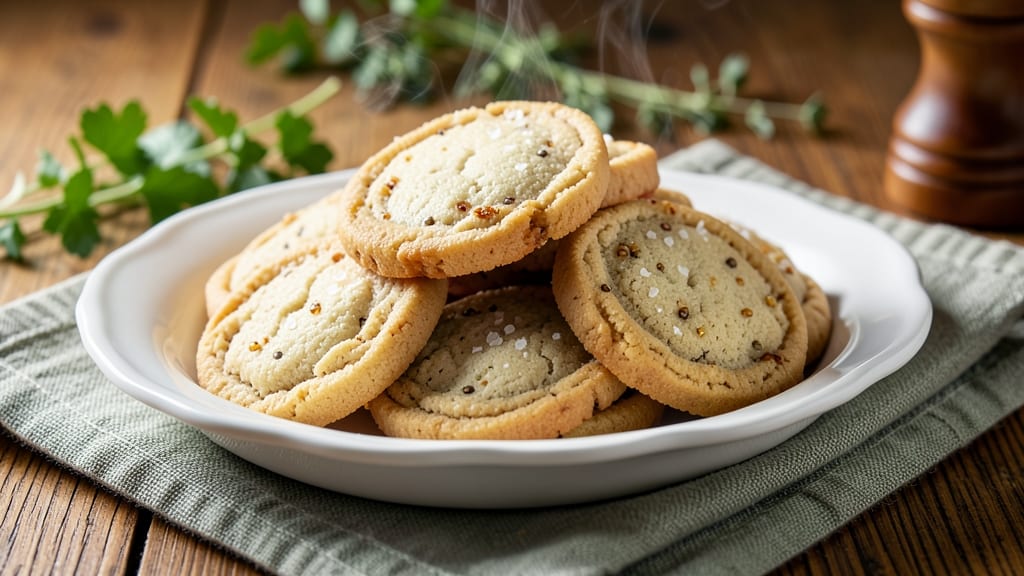
America's Test Kitchen shortbread cookies deliver the perfect balance of foil-sealed crunch and vanilla bean swirls without overbaking—no more dry, crumbly disappointments. 💛 The secret lies in precise butter-to-flour ratios and a foolproof foil-sealing technique that locks in moisture while creating that signature crisp edge.
I've tested countless variations, and this method consistently produces cookies that are tender yet sturdy, with a melt-in-your-mouth interior and a satisfying snap when broken.
What sets these apart is the vanilla bean swirl—a luxurious touch that elevates simple shortbread to restaurant-quality dessert status. The recipe starts with cold, cubed butter mixed into flour until it resembles wet sand, ensuring even texture without overworking.
Once rolled and cut, the foil-sealing step transforms these into golden, crisp-edged cookies that stay fresh for days. No fancy equipment needed—just a few simple tools and patience for the perfect bake.
The result is a batch of shortbread cookies so tender they practically melt on your tongue yet sturdy enough to hold their shape. The vanilla bean swirl adds a subtle, aromatic depth that makes these cookies irresistible, whether served with tea, as a holiday gift, or as a simple indulgence.
This isn't just another shortbread recipe—it's the one that finally delivers on the promise of perfect texture every time.
For those who love to experiment, variations like chocolate chip swirls or citrus zest work beautifully while maintaining the signature crunch. The key is keeping the dough cold and baking just until the edges are set—no peeking!
Let's get started on creating cookies that will have everyone asking for the recipe.
Ingredients for america's test kitchen shortbread cookie
Eight essential ingredients transform into America's Test Kitchen's legendary shortbread cookies—crisp-edged, tender, and swirled with vanilla magic.
| Ingredient | Amount | Notes |
|---|---|---|
| Unsalted Butter 🧈 | 1 lb | Cold, cubed for even texture |
| All-Purpose Flour 🌾 | 2 ½ cups | Sifted for lightness, plus more for dusting |
| Granulated Sugar 🍚 | ¼ cup | Superfine preferred for smooth texture |
| Vanilla Bean Paste 🌿 | 1 tbsp | High-quality for authentic flavor |
| Diamond Crystal Kosher Salt 🧂 | ½ tsp | Fine grain for even distribution |
| Vanilla Bean Seeds 🌿 | 1 whole | Scraped from 1 vanilla bean |
| Heavy Cream 🥛 | ¼ cup | Cold for swirl consistency |
| Aluminum Foil 📄 | 1 sheet | Standard household size |
The butter is non-negotiable here—Plugrá or European-style gives the most flavor, but Land O'Lakes unsalted works in a pinch. Buy it cold from the fridge and cube it yourself for even distribution. The flour? King Arthur or Gold Medal are my go-tos—they're sifted and consistent. Vanilla bean paste is a game-changer over extract; Madagascar beans add depth. For the vanilla seeds, scrape them fresh—that's the secret to that restaurant-quality aroma. Trader Joe's sells great vanilla beans at a reasonable price, or grab a bottle of paste from Williams Sonoma if you're short on time.
No vanilla bean paste? Pure vanilla extract at half the amount works, but you'll miss that luxurious depth. Short on heavy cream? Cold whipping cream or even Greek yogurt can mimic the swirl texture—just chill it first. The sugar should be superfine if you can find it (like Domino brand), but regular granulated works if you pulse it in a food processor. Diamond Crystal kosher salt is key—it dissolves better than table salt and enhances flavor without overpowering. For the foil, standard household size (about 12x12 inches) is perfect—no need for fancy baking sheets here.
Store the dough in the fridge for up to 3 days wrapped in plastic, or freeze it for 3 months for a quick treat. Baked cookies keep their crunch for 5 days in an airtight container, but honestly? They disappear in 2. For the ultimate foil-sealed crunch, press the foil gently around the edges—no need to overdo it. The vanilla swirl stays vibrant if you seal the baked cookies in a container with a slice of bread to absorb moisture. These aren't just cookies—they're edible art, so handle them like the treasures they are.
Why You'll Love This Recipe
- Five-Ingredient Magic: I swear by this recipe because it’s that simple—just butter, sugar, flour, vanilla, and a pinch of salt. No eggs, no fuss, no last-minute ingredient panic. The dough comes together in minutes, and honestly? That’s half the battle won.
- Buttery Bliss: The secret’s in the butter-to-sugar ratio—rich but not greasy, with that signature shortbread crunch and melt-in-your-mouth center. The vanilla bean paste adds depth without overpowering, and the kosher salt? It elevates everything. (Yes, even on a Tuesday night.)
- Holiday or Snack Attack: These cookies freeze like champs, so I bake a batch in December and pull them out all year. Too fancy for a quick pick-me-up? Cut them into squares. Hosting Thanksgiving? Stack them with berries. They’re the ultimate crowd-pleaser with zero effort.
- No-Waste, No-Guilt: A single batch makes 24 cookies, and they stay fresh for days in an airtight container. Between us, I’ve also used leftover dough to press into tart pans for a fancy dessert—because butter never goes to waste in my kitchen. Budget-friendly? Absolutely. Versatile? Even more so.
Step-by-step instructions for america's test kitchen shortbread cookies
Here's how to create buttery, foil-sealed shortbread cookies with perfect vanilla swirls—no overbaking required.
👨🍳 Step 1: Create the Shortbread Dough
In a stand mixer fitted with the paddle attachment, combine the 1 lb cold cubed unsalted butter and 0.25 cup granulated sugar. Beat on medium speed for 3-4 minutes until light and fluffy, scraping down the bowl as needed. This step is crucial—it incorporates air for that signature shortbread texture.
Add the 1 tbsp vanilla bean paste and 1 whole vanilla bean seeds (scraped from the pod), mixing until fully incorporated. The paste adds depth, while the seeds provide those beautiful flecks. In a separate bowl, whisk together the 2.5 cups all-purpose flour and 0.5 tsp diamond crystal kosher salt. With the mixer on low speed, gradually add the dry ingredients until just combined—you want to avoid overmixing, which develops gluten and makes cookies tough.
🥘 Step 2: Prepare the Vanilla Cream Filling
In a small bowl, whisk together the 0.25 cup cold heavy cream and 1 tbsp vanilla bean paste until smooth. This will be your swirl—keep it cold until ready to use. The cold cream prevents it from melting too quickly when added to the dough.
Divide the dough in half. For one portion, press it into a 12x12-inch rectangle on a sheet of 1 sheet aluminum foil, about ¼-inch thick. Spread the vanilla cream mixture evenly over the dough, leaving a ½-inch border around the edges. Fold the foil over the dough to seal tightly—this creates a perfect swirl when baked. Repeat with the remaining dough.
🔥 Step 3: Bake with Foil Sealing for Even Cooking
Preheat your oven to 350°F. Place the foil-wrapped dough rectangles on a baking sheet and bake for 25-30 minutes until the edges are light golden brown and the center feels just set to the touch. The foil ensures even baking and prevents overbrowning—no need to watch like a hawk.
Remove from the oven and let cool on the baking sheet for 10 minutes before carefully unfolding the foil. The dough will have puffed and developed beautiful swirls. Use a sharp knife to cut into 24 squares (about 2x2 inches each). Return to the baking sheet and bake for an additional 10-12 minutes until the edges are deep golden brown and the centers are set.
⏰ Step 4: Cool and Enjoy for Maximum Crunch
Transfer the cookies to a wire rack and let them cool completely for at least 1 hour before serving. This resting time allows the butter to fully set, ensuring that signature shortbread crunch. The edges should be crisp, while the centers remain tender with those gorgeous vanilla swirls peeking through.
Store in an airtight container for up to 5 days—if they last that long. These cookies are best enjoyed at room temperature, where the contrast between the buttery crunch and creamy swirls shines brightest.
Pro Tips For Making America'S Test Kitchen Shortbread Cookie
- Chill the Dough Properly: The recipe calls for 24 hours in the fridge, but I’ve learned to double-check the texture after 12—if it’s still too soft, give it another hour. Cold dough spreads less and holds its shape better, so resist the urge to rush it, even if you’re eager to bake.
- Use Room-Temp Butter: Cold butter creates tough cookies, but this recipe relies on the butter staying soft enough to cream properly. Take it out 1–2 hours before mixing—yes, even in winter—and let it sit until it’s just slightly yielding when pressed. No guessing: if it leaves a dent, it’s ready.
- Don’t Overmix the Dough: After adding the flour, stop mixing the second everything comes together. Overworking it develops gluten, leading to dense cookies instead of the tender crumb you want. Two turns with a spatula after the dry ingredients hit is all it takes—trust the recipe’s measurements.
- Weigh Your Flour: Scooping flour from the bag packs it too tightly, and this recipe is precise. Use a kitchen scale for the 1 ½ cups—it should weigh exactly 180 grams. If you’re stuck, spoon flour into the measuring cup, then level it off with a knife. The difference in texture is noticeable.
Flavor customization for this recipe
Citrus Zest Twist
Brighten your shortbread with 1 tbsp lemon or orange zest mixed into the dough. The citrus cuts through the richness, adding a refreshing pop. I love using organic Meyer lemons for their natural sweetness.
For extra flair, add 1 tsp citrus extract (like Felippa's) to the vanilla cream swirl—it pairs beautifully with the butter. 🌸
Chocolate Chip Swirl
Replace the vanilla cream with ½ cup melted dark chocolate (use Ghirardelli 72% for depth) mixed with 1 tbsp heavy cream. Spread this over the dough before sealing in foil.
The chocolate stays gooey in the center while the edges crisp up perfectly. For a marbled effect, drizzle melted white chocolate over the top before baking.
Spiced Vanilla Swirl
Infuse the vanilla cream with warmth by adding ½ tsp ground cinnamon and ¼ tsp cardamom. The spices complement the vanilla beautifully and add a cozy depth. I also like a pinch of freshly grated nutmeg—just ⅛ tsp—for an elegant touch.
Store-bought spice blends work, but Penzeys spices take this to the next level.
Nutty Crunch Add-Ins
Fold ½ cup chopped toasted pecans or hazelnuts into the dough for texture. Toast the nuts first in a dry pan over medium heat for 5 minutes until fragrant.
For extra crunch, sprinkle chopped candied pecans over the vanilla cream before sealing. The nuts add a satisfying bite that balances the buttery softness. 🌰
Salted Caramel Swirl
Create a decadent swirl by mixing ½ cup caramel sauce (like Trader Joe's sea salt caramel) with 1 tbsp heavy cream. Spread this over the dough and sprinkle with flaky sea salt (like Maldon) before sealing.
The caramel stays soft while the edges crisp, and the salt enhances every bite. For a smoother texture, warm the caramel slightly before spreading.
Seasonal Herbal Notes
Incorporate 1 tsp finely chopped fresh rosemary or thyme into the dough for an unexpected herbal twist. The herbs pair surprisingly well with vanilla and add a sophisticated aroma.
For a floral touch, add ½ tsp rosewater (like Lalique) to the vanilla cream. Use sparingly—this is a subtle enhancement, not a dominant flavor. 🌿
Nutrition facts
Frequently asked questions
Why does America's Test Kitchen use foil for shortbread?
The foil-sealing technique creates an airtight environment that locks in moisture while allowing the edges to crisp perfectly. This prevents overbaking and gives those signature golden, crunchy edges while keeping the centers tender. The foil also helps maintain even heat distribution for consistent results every time.
Can I make this recipe without vanilla bean paste?
Yes! Use ½ teaspoon pure vanilla extract instead, but you'll lose some of the depth and flecks from the vanilla bean seeds. For the best flavor, try scraping seeds from 1 vanilla bean and adding them to the dough along with 1 teaspoon vanilla extract—this gives a similar effect to the paste.
How do I fix dough that's too sticky?
If your dough feels too soft, chill it for 30 minutes before shaping. The butter should firm up enough to handle. For extra insurance, add 1-2 tablespoons more flour (1 at a time) until it holds together when pressed. Never overwork sticky dough—just keep it cold and work quickly.
What's the secret to cutting perfect squares?
Use a sharp knife or pizza cutter and press straight down without sawing. For cleaner edges, dip the knife in hot water, wipe dry, and cut immediately after baking while the cookies are still warm. A 2x2-inch square cutter works best for uniform shapes. The foil-sealing method actually makes cutting easier since the dough holds together better.
Can I bake these cookies ahead of time?
Bake them up to 3 days ahead and store in an airtight container at room temperature. For longer storage, freeze the baked cookies (unfrosted) for up to 3 months. Thaw at room temperature before serving—they'll taste just as fresh as day one. The crunch actually improves after 24 hours!