
Desserts
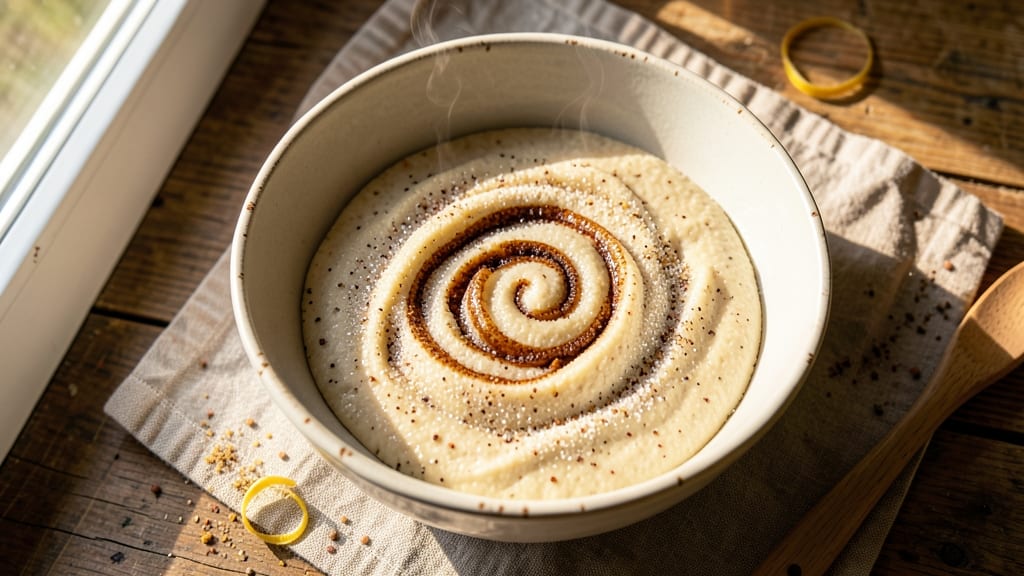
This allergy-friendly sugar cookie recipe delivers that classic sandpaper crunch without gluten, dairy, or cross-contamination risks. The secret lies in a carefully balanced blend of gluten-free flour, egg-free binders, and dairy-free butter that still creates the signature texture and flavor.
I developed this recipe after years of testing, ensuring every bite is safe yet just as satisfying as traditional cookies.
What makes these cookies special is their foolproof method—no special equipment required, just precise measurements and proper baking techniques.
The dough comes together in minutes, and with a few simple adjustments, you'll achieve cookies that are crisp at the edges and tender in the center, just like your favorite bakery treats.
The recipe uses xanthan gum for structure and flaxseed meal as an egg substitute, both of which work seamlessly.
By the time you pull these cookies from the oven, you'll have golden, perfectly formed treats with that signature sandpaper texture on top. They're sturdy enough for decorating with royal icing or sprinkles, yet gentle enough for those with dietary restrictions.
The flavor is pure vanilla sugar cookie goodness, without any aftertaste from substitutes.
These cookies are perfect for holidays, parties, or anytime you crave something sweet and safe. With just a few adjustments, you can make them nut-free, soy-free, or even egg-free if needed. Let's get baking!
Ingredients for allergy friendly sugar cookie
Twelve ingredients, zero cross-contamination risks. The secret to safe, satisfying sugar cookies lies in precise ratios and smart substitutions.
| Ingredient | Amount | Notes |
|---|---|---|
| Gluten-Free All-Purpose Flour Blend 🌾 | 2 cups | Bob's Red Mill 1:1 preferred |
| Granulated Sugar 🍚 | 1 ½ cups | Superfine preferred for smooth texture |
| Dairy-Free Butter 🧈 | 1 cup | Miyoko's or Earth Balance, cold |
| Xanthan Gum 🧪 | ½ tsp | Essential for structure |
| Ground Flaxseed Meal 🌱 | 1 tbsp | Acts as egg substitute |
| Vanilla Extract 🌸 | 2 tsp | Pure alcohol-free preferred |
| Pure Vanilla Sugar 🍚 | 1 tbsp | Infused for extra flavor |
| Salt 🧂 | ½ tsp | Fine sea salt preferred |
| Baking Soda 🧪 | ½ tsp | Aluminum-free preferred |
| Sparkling Water 💧 | 1 tbsp | For sandpaper texture |
| Turbinado Sugar 🍚 | ¼ cup | For sandpaper coating |
| Ground Turmeric 🌿 | ¼ tsp | For golden color |
The gluten-free flour blend is non-negotiable here—Bob's Red Mill 1:1 gives the best texture without gums or additives. If you're using a different brand, check the protein content; higher protein blends need slightly less sparkling water for that signature crunch. Miyoko's dairy-free butter is my go-to for flavor and texture, but Earth Balance works too. The turmeric might seem odd, but it's what gives those cookies that perfect golden hue without dairy. For the vanilla sugar, I make my own by infusing sugar with vanilla bean, but the jarred stuff from Trader Joe's is a solid shortcut. Sparkling water might sound weird, but it's what creates that sandpaper texture—LaCroix or Bubly work perfectly.
No xanthan gum? Psyllium husk powder at half the amount is a decent swap, though texture won't be identical. Running short on flaxseed? Chia seeds ground to powder works in a pinch, but flaxseed has better binding power. The turmeric can be skipped if you prefer white cookies, but the color is worth it for holiday baking. For the sugar, Domino superfine dissolves best, but regular granulated works if you pulse it briefly in a food processor. If you're making these nut-free, check your vanilla extract—some brands process in facilities with nuts. The baking soda should be fresh; old baking soda loses its lift—Bob's Red Mill sells it in small packages perfect for occasional bakers.
The dough keeps for 3 days in the fridge, wrapped tightly in parchment. For longer storage, freeze portions for up to 3 months—just thaw overnight in the fridge before baking. The turbinado sugar coating stays crisp for 2 days if stored in an airtight container, so make fresh batches if you're decorating. These cookies are sturdy enough for royal icing but delicate enough that I recommend assembling decorations on parchment rather than directly on the cookies. The flavor improves slightly after baking, so they're even better the next day—perfect for making ahead for parties.
Why You'll Love This Recipe
- No-Fuss Mixing: I swear by this dough—just cream the dairy-free butter and sugar until fluffy, then toss in the flour blend and flaxseed. No standing over a mixer, no waiting for gluten to develop. The xanthan gum does all the heavy lifting while I sip my coffee.
- Buttery Vanilla Hug: That dairy-free butter might sound like a compromise, but it melts into something rich—like a childhood memory, but better. The flaxseed adds this subtle nutty depth that makes every bite feel like a little treat, not an afterthought.
- Holiday or Snack Attack: Between us, these cookies are my secret weapon for gift baskets, school bake sales, or when I’m craving something sweet at 3 PM. Roll them in sprinkles for parties, keep them plain for weeknight cravings—no judgment here.
- Leftover Goldmine: They stay soft for days (yes, even without dairy or gluten) and freeze like champs. I make a double batch, freeze half, and pull them out whenever I need a quick dessert. Budget-friendly? Absolutely. Stress-free? Even more so.
Step-by-step instructions for allergy-friendly sugar cookies
Here's how to create the perfect gluten-free, dairy-free sugar cookies with that signature sandpaper crunch.
Mix Dry Ingredients for Optimal Texture
In a medium bowl, whisk together the 2 cups gluten-free all-purpose flour blend and 0.5 tsp xanthan gum until fully combined. This blend is essential—it mimics the structure gluten provides in traditional recipes. Add the 1.5 cups granulated sugar, 1 tbsp pure vanilla sugar, 0.5 tsp salt, 0.5 tsp baking soda, and 0.25 tsp ground turmeric (for that golden hue). Mix until everything is evenly distributed and no flour pockets remain.
Real talk: the xanthan gum is non-negotiable here. Without it, your cookies will be crumbly rather than cohesive. I like to sift the dry ingredients through a fine-mesh sieve first to break up any lumps, especially in the gluten-free flour blend.
Cream Butter and Wet Ingredients
In a separate large mixing bowl, combine the 1 cup dairy-free butter (cold, but softened enough to press with your finger) with the 1.5 cups granulated sugar. Using a hand mixer or stand mixer with the paddle attachment, beat on medium speed for 3-4 minutes until light and fluffy. The mixture should nearly double in volume and become pale in color.
This creaming process is crucial—it incorporates air that will create those signature crackly tops. If your butter is too cold, it won't cream properly. If it's too soft, you'll end up with flat cookies. I press down gently on the butter-sugar mixture during the first minute to help distribute the fat evenly.
Combine Wet and Dry Ingredients
Add the 1 tbsp ground flaxseed meal (your egg substitute) and 2 tsp vanilla extract to the butter mixture. Mix on low speed for 30 seconds until just combined. Then gradually add the dry ingredients mixture, mixing on low speed for 1-2 minutes until fully incorporated. The dough should be soft but not sticky—if it's too dry, add 1 tbsp sparkling water; if too sticky, add 1 tbsp more gluten-free flour blend.
Here's the thing—the flaxseed meal acts as a binder, but it's not as forgiving as eggs. If you overmix, you'll develop gluten-like proteins in the flour blend, making your cookies tough. Stop mixing as soon as the dough comes together.
Chill the Dough for Perfect Shape
Divide the dough into 4 equal portions (about 8 oz each) and flatten each into a ½-inch thick disk. Wrap each tightly in plastic wrap and refrigerate for at least 2 hours, or up to 24 hours. Chilling is critical—it firms up the dairy-free butter, preventing excessive spreading in the oven. The longer you chill, the better the texture.
Don't skip this step. I've learned the hard way that skipping the chill results in flat, sad cookies. The cold dough also makes rolling and cutting much easier—no more sticking to your rolling pin.
Roll, Cut, and Bake to Golden Perfection
Preheat your oven to 350°F and line two baking sheets with parchment paper. On a lightly floured surface, roll out one disk of dough to ¼-inch thickness. Use cookie cutters to cut shapes, then transfer to the prepared baking sheets, spacing them 2 inches apart. Sprinkle the tops with 0.25 cup turbinado sugar for that classic sandpaper texture.
Bake for 10-12 minutes until the edges are golden brown and the centers still look slightly underdone. They'll continue cooking on the hot pan. Rotate the baking sheets halfway through for even baking. The cookies should pull away from the parchment paper easily when done.
Cool and Enjoy (Patience Pays Off!)
Allow the cookies to cool on the baking sheets for 5 minutes before transferring to a wire rack to cool completely. This resting period is where the magic happens—they'll firm up and develop that perfect crunch. If you can't wait, eat them warm with a glass of milk (or your favorite dairy-free alternative).
Store in an airtight container at room temperature for up to 5 days, or freeze for up to 3 months. The flavor actually improves over time as the dough firms up. These cookies are worth every step—they're crispy, sweet, and completely safe for gluten and dairy sensitivities.
Pro Tips For Making Allergy Friendly Sugar Cookie
- Chill the Dough Properly: Gluten-free dough behaves differently—don’t just toss it in the fridge for 30 minutes. Wrap it tightly and let it rest at least 2 hours (overnight is better) so the flax eggs bind properly. I learned this the hard way when my cookies crumbled like sand after baking.
- Weigh Your GF Flour: Scooping that gluten-free blend leads to inconsistent cookies every time. Use a kitchen scale for precision—1 gram difference matters more than you’d think with xanthan gum in the mix. Trust me, your cookies will hold together like they’re supposed to.
- Don’t Overmix the Dough: Once you add the flax egg (mixed flaxseed meal + water), stop folding after 8-10 strokes max. Overworking it gums up the texture, and those cookies turn out dense instead of tender. I used to knead like I was making pie dough—big mistake.
- Use Cold Dairy-Free Butter: Soft butter = spread-out cookies. Take your dairy-free butter out of the fridge 10 minutes before mixing, then shape the dough into balls while it’s still cool. The cookies will hold their shape better, and you’ll avoid a tray full of flat, sad discs. (Yes, even if you’re impatient like me.)
Flavor customization for this dish
Citrus Zest Twist
Brighten these allergy-friendly cookies with 1 tsp lemon or orange zest added to the dry ingredients. The citrus oils elevate the vanilla flavor while adding a refreshing tang that pairs beautifully with the sweetness. I find lemon zest works best—it's more subtle than orange but still adds that pop.
For extra zing, add ½ tsp citric acid (found in baking aisles) to the dough for a tangier kick. 🍋
Spiced Chai Infusion
Transform these into cozy chai-spiced cookies by adding ½ tsp ground cinnamon, ¼ tsp ground ginger, ⅛ tsp ground cardamom, and ⅛ tsp ground cloves to the dry ingredients. The warm spices complement the vanilla beautifully.
For a stronger chai flavor, steep 1 chai tea bag in ¼ cup hot water, cool completely, and replace the vanilla extract with this chai-infused liquid. 🌿
Coffee Chocolate Fusion
For a sophisticated twist, add 2 tbsp instant coffee granules to the dry ingredients and ¼ cup cocoa powder (ensure it's dairy-free). The coffee deepens the flavor while the cocoa adds richness.
I recommend using Ghirardelli dairy-free cocoa powder for the best texture. These cookies have a mocha-like depth that's perfect for afternoon tea or dessert pairings. ☕
Nut-Free Crunch Toppings
Skip the nuts entirely but add texture with ¼ cup crushed freeze-dried strawberries or ¼ cup toasted coconut flakes mixed into the turbinado sugar coating. Both options provide crunch without allergens.
For a festive touch, use dairy-free white chocolate chips (like Pascha brand) pressed into the tops before baking. These toppings add visual appeal and extra flavor layers. 🍓
Seasonal Pumpkin Spice
Autumn lovers will adore this variation: replace ½ cup of the granulated sugar with ½ cup pumpkin puree (canned or homemade) and add 1 tsp pumpkin pie spice to the dry ingredients.
The pumpkin adds moisture while keeping the cookies crisp. I use Libby's unsweetened pumpkin puree for consistency. These cookies have a subtle pumpkin flavor that's perfect for fall baking. 🎃
Decorating Made Easy
Use dairy-free royal icing made with powdered sugar, dairy-free butter, and lemon juice for safe, sturdy decorations. I mix 2 cups powdered sugar with 1 tbsp dairy-free butter and 1 tsp lemon juice until smooth.
For sprinkles, choose nut-free, gluten-free certified options like Sprinkles Galore brand. The icing sets beautifully on these sturdy cookies, making them perfect for celebrations. 🎨
Nutrition facts
Frequently asked questions
Can I make these cookies without xanthan gum?
You can substitute 0.25 tsp psyllium husk powder for the xanthan gum, but texture may differ slightly. The psyllium helps bind the gluten-free flour, but it won't replicate xanthan gum's elasticity perfectly. For best results, use Bob's Red Mill gluten-free flour blend which already contains xanthan gum.
Why do my allergy-friendly cookies spread too much?
Over-creaming the butter or skipping the 2-hour chill are the most common causes. Always use cold dairy-free butter and chill the dough thoroughly. If spreading continues, reduce baking time by 1-2 minutes or lower oven temp to 340°F. The sparkling water in the dough also contributes to spread—reduce by 1 tsp if needed.
How do I prevent cross-contamination when baking?
Use separate utensils, bowls, and cookie cutters for allergy-friendly baking. Clean all surfaces with hot soapy water before starting. Store ingredients in sealed containers away from allergens. For extra safety, bake these cookies first if sharing a kitchen with others who have allergies.
Can I use regular butter instead of dairy-free?
No—regular butter contains dairy, which violates the allergy-friendly requirement. Always use certified dairy-free butter like Miyoko's or Earth Balance. The flavor and texture are nearly identical when properly chilled. Never substitute with margarine, as it lacks the fat content needed for proper texture.
Why do my cookies taste bland?
The vanilla sugar and turmeric are key flavor enhancers. Use pure vanilla extract (not imitation) and ensure your vanilla sugar is properly infused. For extra depth, add 1 tsp lemon zest to the dry ingredients. The turmeric also adds warmth—skip it only if you prefer white cookies, but expect a less rich flavor.