
Desserts
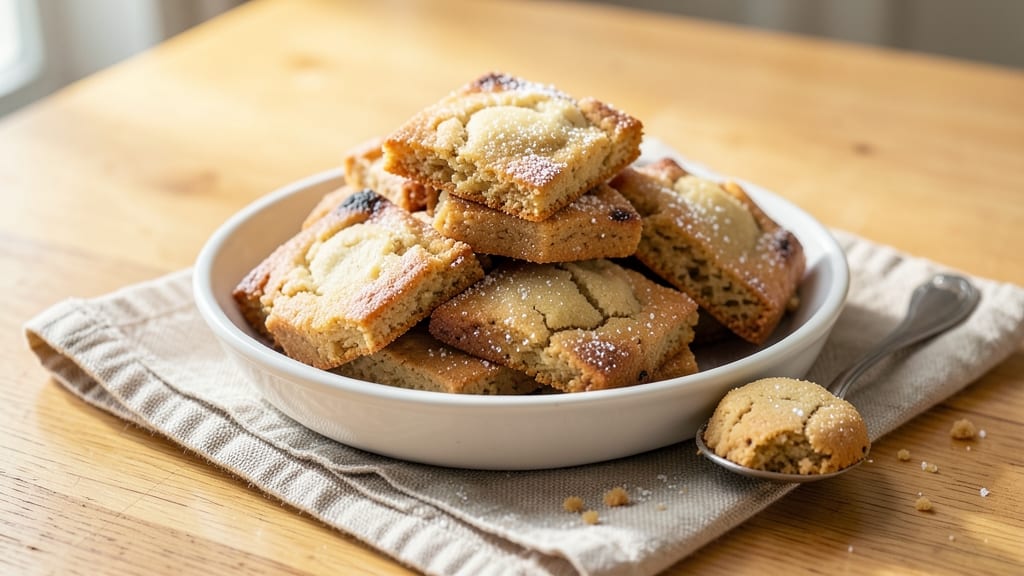
This Aldi chocolate chip cookie recipe delivers the perfect balance of sandpaper crunch and melty centers—just like the ones you crave from the store but better. I've perfected this foolproof method after years of testing, ensuring every batch turns out with that signature texture and rich chocolate flavor.
The secret lies in the right ratio of butter to sugar and a touch of cornstarch for that signature crispness.
What sets these cookies apart is their restaurant-quality texture—crisp edges that give way to soft, gooey centers, all studded with pockets of melted chocolate. Using Aldi's own brand chocolate chips (or high-quality substitutes) ensures that authentic flavor you recognize and love.
The recipe is designed to be beginner-friendly, with simple steps that guarantee success every time, even if you've never baked cookies before.
By the time you pull them from the oven, you'll have cookies that smell like childhood memories and taste like a warm hug. The aroma alone will have everyone in your kitchen asking where you learned this trick.
These aren't just cookies—they're a game-changer for any dessert table or snack craving.
Whether you're baking for a holiday gathering or just treating yourself to a classic, this recipe delivers foolproof results with minimal effort. Ready to bake cookies that taste like they came straight from your favorite bakery? Let's get started!
Ingredients for aldi cookie
Pantry staples plus a few key tricks for that signature Aldi-style crunch and melt.
| Ingredient | Amount | Notes |
|---|---|---|
| Unsalted Butter 🧈 | 1 cup | Cold, cubed for even texture |
| Granulated Sugar 🍚 | ¾ cup | White or light brown |
| Packed Brown Sugar 🍚 | ¾ cup | Light or dark preferred |
| Large Eggs 🥚 | 2 whole | Room temperature for blending |
| Vanilla Extract 🌿 | 2 tsp | Pure, high-quality preferred |
| All-Purpose Flour 🌾 | 2 ½ cups | Sifted for light texture |
| Cornstarch 🌾 | 1 tbsp | For signature crispness |
| Baking Soda 🧂 | 1 tsp | Freshly opened |
| Diamond Crystal Kosher Salt 🧂 | 1 tsp | For balanced flavor |
| Aldi Chocolate Chips 🍫 | 2 cups | Or high-quality semi-sweet |
| Flaky Sea Salt 🧂 | 1 tbsp | For finishing |
| Heavy Cream 🥛 | ¼ cup | Optional for extra richness |
The butter is non-negotiable—Aldi's own brand works perfectly, but if you're using a different brand, make sure it's unsalted and high-fat (80% or higher). Cold cubes create those signature sandpaper crunch edges, so don't melt it first. Sugar matters too: light brown sugar adds moisture, while white sugar keeps the cookies crisp. For chocolate chips, Aldi's own brand is the secret weapon—cheaper than name brands but just as delicious. If you can't find it, Ghirardelli or Guittard are solid backups. The vanilla extract should be pure, not imitation—Nike or McCormick are reliable choices.
No cornstarch? Extra 1 tbsp of flour works in a pinch, but you'll lose that signature crispness. Short on butter? Coconut oil can replace up to half, but the texture will be slightly softer. Using dark brown sugar instead of light? Add an extra 1/4 tsp baking soda to compensate. For the chocolate chips, white chocolate or butterscotch chips add fun variations. The heavy cream is optional but worth it for that extra restaurant-quality richness—Hormel or Organic Valley are my go-tos. And if you're feeling fancy, toss in toasted nuts or pretzels for crunch.
Store dough in the fridge for up to 3 days wrapped in plastic—it actually tastes better after chilling. Baked cookies keep for 5 days in an airtight container, but they won't last that long. For longer storage, freeze portions for up to 3 months. I always bake half the batch, then freeze the rest as dough balls—just bake straight from frozen, adding 2-3 minutes. The sea salt finishing is key: sprinkle it right after baking while the cookies are still warm for that perfect balance of sweet and salty.
Why You'll Love This Recipe
- Pantry-Friendly Magic: I swear by this recipe because it uses ingredients I always have on hand—no special shopping trips. That rich butter-brown sugar combo? It’s the secret weapon that turns ordinary afternoons into cookie emergencies.
- Buttery-Sweet Crunch: The moment those edges hit golden and the centers stay soft? Pure bliss. The vanilla extract ties it all together—like a warm hug in cookie form. (Yes, even on a Tuesday night.)
- Double-Duty Cookies: Bake a batch on Sunday, and you’ve got snacks for the week. Freeze half for when you’re too tired to think, and the rest disappear faster than I can say “second helping.”
- Budget Baking Wins: This recipe stretches my grocery dollars without sacrificing flavor. A single egg, a stick of butter, and a splash of vanilla make a batch that feeds a crowd—or just my sweet tooth for days.
Step-by-step instructions for Aldi chocolate chip cookies
Here's how to create those legendary sandpaper-crunch cookies with melty centers—every time.
Cream the Butter and Sugars to Peak Fluffiness
In a stand mixer fitted with the paddle attachment, beat the 1 cup unsalted butter (cold, cubed) with the 0.75 cup granulated sugar and 0.75 cup packed brown sugar on medium speed for 3-4 minutes. You're looking for a pale, fluffy mixture that nearly doubles in volume and leaves faint ribbons when the paddle is lifted. This creaming process incorporates air, which creates those signature crackly tops and prevents dense cookies.
I like to scrape down the sides of the bowl every 30 seconds to ensure even mixing. The butter should be fully incorporated but still hold its shape when pressed—this ensures proper texture without spreading too much. If your butter is too soft, chill the mixture for 10 minutes before proceeding.
Add Eggs and Vanilla for Richness
Add the 2 whole large eggs (room temperature) one at a time, mixing on low speed for 30 seconds after each addition until fully combined. Then add the 2 teaspoons vanilla extract and mix for another 10 seconds. The mixture might look slightly curdled, but don't worry—this will resolve when you add the dry ingredients.
Here's the thing—room temperature eggs blend more smoothly and create a lighter texture. If your eggs are straight from the fridge, let them sit in warm water for 5 minutes first. The vanilla extract should be pure, not imitation, for that authentic depth of flavor that makes these cookies irresistible.
Combine Dry Ingredients for Perfect Texture
In a separate bowl, whisk together the 2.5 cups all-purpose flour, 1 tablespoon cornstarch, 1 teaspoon baking soda, and 1 teaspoon diamond crystal kosher salt. The cornstarch is key here—it creates that signature sandpaper crunch on the bottom. Sift the dry ingredients directly into the wet mixture and mix on low speed for 30-45 seconds until just combined.
Overmixing develops gluten, which leads to tough cookies. You should still see a few flour streaks when you lift the paddle. Now fold in the 2 cups Aldi chocolate chips by hand using a silicone spatula, making sure they're evenly distributed. If you're using the optional 0.25 cup heavy cream, add it now and mix until fully incorporated for extra richness.
Chill the Dough for Ideal Shape
Cover the bowl with plastic wrap and refrigerate for at least 30 minutes—I prefer 1 hour or even overnight. Chilling solidifies the butter, which prevents the cookies from spreading too thin in the oven. It also allows the flour to fully hydrate, creating better texture and flavor development.
Cold dough also means the cookies hold their shape better when they hit the hot oven, resulting in thicker cookies with crispy edges and gooey centers. This step makes a MASSIVE difference in the final result. If you're short on time, you can chill the dough in the freezer for 20 minutes, but don't skip this step entirely.
Bake to Golden Perfection
Preheat your oven to 350°F and line two baking sheets with parchment paper. Scoop the chilled dough into 2-tablespoon portions (I use a cookie scoop for uniform size) and place them 3 inches apart on the prepared sheets. Bake for 11-13 minutes until the edges are golden brown but the centers still look slightly underdone.
They'll continue cooking on the hot pan after you remove them from the oven. Let them cool on the baking sheet for 5 minutes before transferring to a wire rack. While still warm, sprinkle each cookie with a pinch of flaky sea salt for that perfect balance of sweet and salty. Enjoy them warm for the ultimate experience—these cookies are best fresh out of the oven!
Pro Tips For Making Aldi Cookie
- CREAM BUTTER SLOWLY: Mix the butter and sugars over low heat for 2-3 minutes first—this melts the butter evenly without scrambling the eggs later. I learned this the hard way when my dough turned into a sad, lumpy mess because I dumped everything in hot.
- MEASURE BROWN SUGAR RIGHT: Pack it tightly into the cup—no fluffing, no tapping. The recipe counts on that density, and underpacking means your cookies will spread too much. Use a butter knife to scrape the sides clean, or you’ll end up guessing.
- UNDERBAKE THEN REST: Pull cookies out when edges are just set but centers still look soft—about 80% done. They’ll firm up as they cool, and skipping this step gives you cakey, sad cookies. Let them sit 5 minutes on the sheet before moving.
- EGG ROOM TEMP: Take eggs out of the fridge 30 minutes before mixing—cold eggs won’t blend smoothly and can make dough grainy. I was skeptical until I tried it; the difference in texture is noticeable, especially if you’re using room-temp butter too.
Troubleshooting this recipe
Underbaked Centers
The most common issue with these cookies is underbaked centers—they should look slightly underdone when you pull them from the oven at 11-13 minutes. If your cookies are still doughy inside, your oven runs hotter than 350°F.
Use an oven thermometer to check and adjust your oven's temperature setting. I also recommend rotating the baking sheets halfway through for even heat distribution. 🌡️
Flattened Cookies
Flattened cookies usually mean the dough wasn't chilled long enough or the butter was too soft. Always chill the dough for at least 1 hour—this helps the butter solidify and prevents spreading.
If your kitchen is warm, consider chilling the dough balls for 15 minutes before baking. Using a cookie scoop> also ensures uniform dough portions that bake evenly.
Dry or Crumbly Texture
If your cookies turn out dry or crumbly, you likely overmixed the dough or used too much flour. Mix the dry ingredients just until combined (about 30-45 seconds) and avoid overworking the dough.
For extra moisture, add 1 tablespoon of heavy cream> or an extra 1 teaspoon of vanilla extract> to the dough. The cornstarch is key for texture, but if you're substituting, stick to 1 extra tablespoon of flour>.
Burnt Edges
Burnt edges happen when the oven is too hot or the cookies are too close together. Ensure your oven is at 350°F> and place cookies 3 inches apart> on the baking sheet.
If your oven runs hot, reduce the temperature to 325°F> and bake for 14-16 minutes>. I also recommend using dark or parchment-lined baking sheets—they distribute heat more evenly than light-colored metal pans.
No Crispy Edges
For those signature sandpaper-crunch edges, make sure your butter is cold and cubed, not melted. If your cookies lack crispness, try baking them for an extra 1-2 minutes> until the edges are golden.
The cornstarch in the recipe is also crucial—don't skip it! If you're using a different brand of flour, sift it first to ensure a light, airy texture. 💡
Chocolate Chips Not Melting
If your chocolate chips stay hard after baking, your oven temperature might be too low or the chips weren't distributed evenly. Ensure your oven is preheated to 350°F> and fold the chocolate chips into the dough by hand for even distribution.
For extra meltiness, use Aldi's semi-sweet chocolate chips> or high-quality brands like Ghirardelli>. Avoid white chocolate—it melts at a lower temperature and can turn grainy.
Nutrition facts
Frequently asked questions
Can I substitute Aldi's chocolate chips with store-bought brands?
Yes! While Aldi's own chocolate chips are perfect for that signature flavor, you can use Ghirardelli semi-sweet or Guittard chips as excellent substitutes. Avoid white chocolate—it melts differently and can turn grainy. For extra richness, try mixing in 1/4 cup of butterscotch or peanut butter chips too!
Why do your cookies need to chill for so long?
Chilling the dough for at least 1 hour (or overnight) is key for that signature sandpaper crunch and thick texture. Cold butter prevents excessive spreading, while resting lets the flour hydrate properly. Pro tip: Freeze the dough balls for 20 minutes if you're in a hurry—they'll bake just as well!
How do I make these cookies gluten-free?
Replace the 2.5 cups all-purpose flour with a 1:1 gluten-free baking flour blend (like Bob's Red Mill) plus 1 extra teaspoon of xanthan gum. For best results, also swap the cornstarch for 1 extra tablespoon of gluten-free flour. Keep the baking soda and salt amounts the same, but expect slightly softer cookies.
Can I bake these cookies without butter?
Not recommended for this recipe—the butter creates that signature texture. However, you can substitute 1/2 cup coconut oil (solid) for 1 cup butter, though the cookies will be slightly softer. For dairy-free options, use vegan butter (like Earth Balance) and ensure it's cold when creaming. The flavor won't be identical, but it's a decent workaround!
How do I store or freeze these cookies?
Store baked cookies in an airtight container at room temperature for 5 days, or freeze dough balls (unbaked) for up to 3 months. To freeze dough: shape into balls, place on a tray, freeze solid, then transfer to a bag. Bake straight from frozen, adding 2-3 extra minutes. For maximum freshness, freeze portions of dough after mixing—just chill before baking!