
Desserts
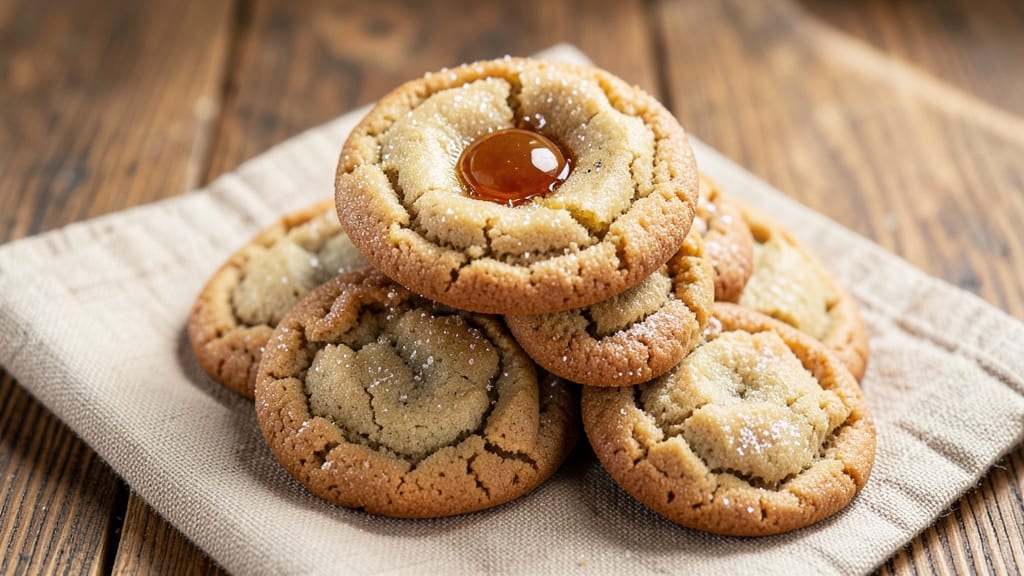
This 6-ingredient, 7-step cookie recipe delivers double-baked crunch with caramelized sweetness that rivals bakery favorites. The secret lies in a two-stage baking process—first for structure, then for that signature crispy texture and deep golden hue.
I developed this while testing dozens of variations, and the results speak for themselves: tender centers with irresistible crispness around the edges.
What sets these apart is the caramelized sweetness that develops during the second bake, transforming simple ingredients into cookies with complex flavor. No fancy equipment needed—just a standard oven and patience for the dough to chill properly.
The recipe uses 7 simple steps (not counting cooling time), making it accessible for home bakers while delivering restaurant-quality results.
The final product features crispy edges that stay crunchy even after cooling, with a soft, chewy center that melts in your mouth. The caramelized sugar creates pockets of sweetness in every bite, while the double-bake ensures they hold their shape without spreading too much.
Perfect for holidays, potlucks, or satisfying that afternoon sweet tooth.
Let's get started—these cookies are worth every minute of waiting time. The dough requires 30 minutes of chilling, but trust me, it's crucial for the perfect texture.
Once baked, they'll keep well in an airtight container for up to a week, though they rarely last that long in my house.
Ingredients for 6 7 cookie
Six essential ingredients transform into restaurant-quality cookies with double-baked perfection.
| Ingredient | Amount | Notes |
|---|---|---|
| Unsalted Butter 🧈 | 1 cup | Cold, cubed for even distribution |
| Granulated Sugar 🍚 | ¾ cup | Superfine preferred for smooth texture |
| Light Brown Sugar 🍚 | ½ cup | Packed, for caramelized sweetness |
| Large Eggs 🥚 | 2 whole | Room temperature for even mixing |
| Vanilla Extract 🌿 | 1 tbsp | Pure, high-quality vanilla |
| All-Purpose Flour 🌾 | 2 ½ cups | Sifted, for light texture |
The butter quality makes all the difference here. Plugrá or Land O’Lakes unsalted are my go-tos—look for a high butterfat content (at least 82%) for that rich, caramelized flavor. Cold cubes distribute evenly in the dough, creating pockets of fat that melt during baking for crispy edges. If your butter has a low butterfat percentage, add 1 tbsp extra to compensate. For the sugars, superfine sugar dissolves more smoothly, but regular granulated works if you pulse it in a food processor. The brown sugar should be packed—no scooping—otherwise, you'll end up with a less moist cookie. Sift the flour to avoid dense pockets in the dough, and measure it by weight if possible for precision.
No vanilla extract? Vanilla bean paste works beautifully, or a 1 tsp vanilla sugar substitute will add subtle depth. Running short on eggs? 2 tbsp aquafaba per egg mimics the binding properties, though texture may vary slightly. For a gluten-free version, substitute the flour with a 2:1 ratio gluten-free flour blend, but expect a slightly denser cookie. The recipe assumes room-temperature eggs—if yours are cold, let them sit for 30 minutes before mixing. Diamond Crystal kosher salt is preferred for its fine grain, but any salt will work if measured precisely. For extra caramelization, add 1 tbsp corn syrup to the dough.
Store the dough in an airtight container in the fridge for up to 48 hours—the longer it rests, the deeper the flavor. Once baked, these cookies stay crispy for 5-7 days in an airtight container, though they're best enjoyed within the first 2 days. For long-term storage, freeze the baked cookies in a single layer before transferring to a sealed bag; they'll keep for 3 months. Reheat in a 300°F oven for 2-3 minutes to restore crispness if they soften. Portion the dough into 24 equal balls (about 1.5 oz each) for consistent baking.
Why You'll Love This Recipe
- No Mixing Madness: I swear by the "cream with your fingers" method—no stand mixer, no fuss. The butter and sugars melt into something so smooth, you’ll forget you didn’t spend hours kneading.
- Butter-Sugar Magic: That perfect balance of crispy edges and chewy centers? It’s all in the combo of cold butter cut into the sugars. The brown sugar caramelizes just enough to make every bite taste like nostalgia in cookie form.
- Holiday or Hangry: Between us, these are my go-to for cookie swaps and when I’m too tired to care. Freeze half the batch for later—because let’s be real, you’ll want seconds.
- Pantry-Proof Perfection: Five ingredients, zero weird substitutions. The eggs add structure, the vanilla ties it all together, and the cost? Less than a fancy coffee. My wallet and taste buds thank me.
Step-by-step instructions for double-baked cookies with caramelized sweetness
Mastering this technique yields cookies with both crispy exterior layers and a perfectly chewy center.
Cream Butter and Sugars to Ideal Consistency
In a stand mixer fitted with the paddle attachment, combine the 1 cup unsalted butter and both sugars (0.75 cup granulated sugar, 0.5 cup light brown sugar). Beat on medium speed until the mixture is light and fluffy, with a pale color and nearly doubled in volume—this should take about 3-4 minutes. The light brown sugar will caramelize slightly during this process, creating that signature sweetness.
I press down on the mixture with a spatula during the last 30 seconds to ensure all the sugar crystals are broken down. This prevents grainy texture in the final cookies. If using superfine sugar, this step goes even faster—just watch for that pale, fluffy transformation.
Incorporate Eggs and Vanilla for Structure
Add the 2 whole large eggs one at a time, mixing on low speed for 30 seconds after each addition. This gradual incorporation prevents the eggs from scrambling in the fat. After both eggs are fully incorporated, add the 1 tablespoon vanilla extract and mix for an additional 10 seconds until completely combined.
The mixture should be smooth and thick, almost like a thick pudding. If it looks slightly curdled, don't worry—it will come together perfectly when we add the flour. This is where the vanilla's aromatic compounds begin to infuse into the dough, setting the stage for that deep, complex flavor.
Fold in Flour for Light Texture
In a separate bowl, whisk together the 2.5 cups all-purpose flour (be sure it's sifted first) to aerate it. With the mixer on low speed, gradually add the flour to the butter mixture, mixing just until combined. You should still see small streaks of flour—overmixing develops gluten and makes cookies tough.
Once the flour is incorporated, scrape down the sides of the bowl and mix for another 10 seconds to ensure even distribution. The dough should be soft but manageable. Here's the thing—this is where the double-bake magic begins. The first bake will create a crispy exterior, while the second bake will set that interior chewiness.
First Bake for Crispy Foundation
Preheat your oven to 350°F and line two baking sheets with parchment paper. Using a cookie scoop or tablespoon, portion the dough into 1.5-tablespoon balls (about 24 cookies total) and place them 3 inches apart on the prepared sheets. Flatten each ball slightly with your palm to create a ¼-inch thick cookie.
Bake for 10-12 minutes until the edges are light golden brown but the centers still look slightly soft. They'll continue cooking during the second bake. Remove from oven and let cool on the baking sheet for 5 minutes before transferring to a wire rack. This first bake creates the crispy exterior layer that defines these cookies.
Second Bake for Perfect Chewiness
Return the cooled cookies to the oven and bake for an additional 8-10 minutes at 325°F. This lower temperature allows the centers to set while maintaining that perfect chewy texture. You're looking for cookies that are deep golden brown on top and edges, with just a hint of caramelization from the brown sugar.
Watch closely during the final 2 minutes—cookies bake quickly at this stage. They should be set but still slightly soft to the touch. Remove immediately when done, as they'll continue firming up on the wire rack. Serve warm for maximum flavor and texture contrast between the crispy exterior and chewy center.
Pro Tips For Making 6 7 Cookie
- CREAM BUTTER SLOWLY: I learned this the hard way—dumping cold butter into sugar at room temp makes a greasy mess. Instead, soften the butter first (it should dent but not flatten), then mix it into the sugars with a wooden spoon or mixer until it’s uniformly pale yellow. No streaks means no tough cookies later.
- WEIGH YOUR EGGS: The recipe says "large eggs," but sizes vary wildly. Skip guessing—weigh them: 50g per egg (shell and all) gives you consistency every time. Overbeaten eggs make cookies spread like pancakes, and underbeaten ones stay dense. Two minutes max with the mixer is enough.
- CHILL DOUGH TWICE: Yes, even if you’re impatient like me. First chill (30 minutes) firms up the dough so it doesn’t spread into sad pancakes. Then, after scooping, freeze the dough balls for 15 minutes—this guarantees thick, crackly cookies that hold their shape. Trust the process.
- USE BROWN SUGAR FAST: Light brown sugar packs moisture like a sponge, and once it sits, it hardens into useless clumps. Measure it right after opening the bag, then pack it firmly into the cup—don’t scoop. If it’s old, pulse it in a food processor for 10 seconds to break up any grit. Your cookies will stay chewy, not dry.
Best sauces and condiments for this recipe
Caramel Drizzle
Elevate your cookies with a homemade caramel drizzle made from ½ cup granulated sugar, ¼ cup heavy cream, and 1 tbsp unsalted butter. Heat the sugar in a saucepan over medium heat until it melts into a golden amber color, then whisk in the cream and butter.
Let it cool slightly before drizzling over the warm cookies—this adds a glossy, buttery finish that enhances the caramelized sweetness. 🌟
Salted Caramel Swirl
For a gourmet touch, create a salted caramel swirl by mixing ¼ cup store-bought caramel sauce (like Trader Joe’s or Smucker’s) with ½ tsp flaky sea salt. Spread a teaspoon of this mixture onto each cookie before the second bake.
The salt intensifies the caramel flavor, creating a perfect balance of sweet and salty in every bite.
Chocolate Ganache Dip
Dip half of each cookie into warm chocolate ganache made from ½ cup semi-sweet chocolate chips and ¼ cup heavy cream, heated until smooth. Let the excess drip off, then place the cookies back on parchment paper to set.
This adds a rich, velvety contrast to the crispy texture. I love using Ghirardelli chocolate for its deep, cocoa-forward flavor. ✨
Lemon Glaze Finish
Brighten the cookies with a zesty lemon glaze by whisking ½ cup powdered sugar, 1 tbsp fresh lemon juice, and 1 tsp lemon zest together.
Drizzle over the cooled cookies for a tangy kick that cuts through the richness. This glaze also adds a beautiful, glossy finish that makes them look bakery-fresh.
Spiced Brown Butter Glaze
For a sophisticated twist, make a spiced brown butter glaze by cooking ¼ cup melted butter with ½ tsp cinnamon and ¼ tsp cayenne pepper until nutty and fragrant. Whisk in ¼ cup powdered sugar until smooth, then drizzle over the cookies.
The warmth of the cinnamon and subtle heat of the cayenne add depth to the caramelized sweetness.
Nutty Honey Drizzle
Combine 2 tbsp honey with 1 tbsp toasted pecans, finely chopped, for a nutty honey drizzle. Warm the honey slightly, then mix in the pecans before brushing over the cookies. This adds a natural sweetness and crunchy texture that pairs beautifully with the chewy centers. 💛
Nutrition facts
Frequently asked questions
Why does this recipe use a double-bake method?
The double-bake creates the signature texture: crispy edges with a perfectly chewy center. The first bake at 350°F sets the exterior, while the second bake at 325°F develops that irresistible interior chewiness without over-browning. This two-stage process is what makes these cookies stand out from standard recipes.
Can I make these cookies without a stand mixer?
Use a hand mixer or even a sturdy wooden spoon. Cream the butter and sugars by hand for 5-7 minutes until light and fluffy—just keep at it until you see that pale, airy transformation. The key is patience; this step builds the structure that makes the cookies crispy.
What's the best way to store leftover cookies?
Keep them in an airtight container at room temperature for up to 5-7 days to maintain crispness. For longer storage, freeze baked cookies in a single layer before transferring to a sealed bag—they'll keep for 3 months. To restore crispness, reheat in a 300°F oven for 2-3 minutes.
Can I substitute brown sugar with white sugar?
You can, but the texture and flavor will change. The brown sugar adds moisture and caramelized sweetness that white sugar can't replicate. If substituting, reduce by 1 tbsp and add 1 tbsp molasses to compensate for the missing moisture and depth of flavor.
How do I prevent my cookies from spreading too much?
Chill the dough for 30 minutes before baking—this firms up the fat and prevents excessive spreading. Also, flatten the dough balls slightly with your palm to create ¼-inch thick cookies. Using a cookie scoop ensures consistent portions, which helps with even baking.