
Desserts
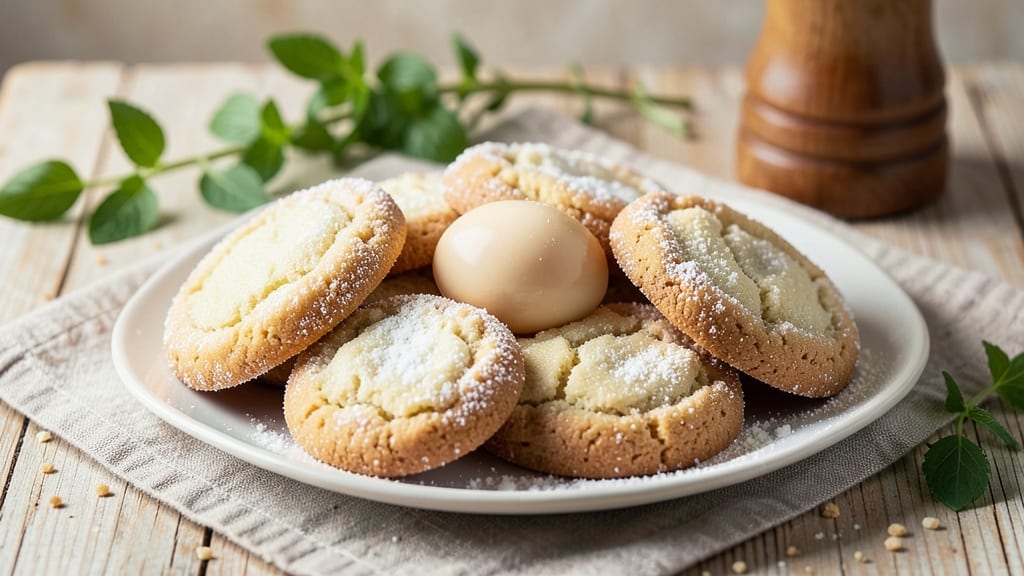
This 3-ingredient sugar cookie recipe with egg delivers the perfect balance of pillowy softness and buttery swirls with just three simple ingredients—no fancy techniques required. 💛 The secret lies in the egg, which binds the dough while creating that signature tender texture, while the butter and sugar work together to create cookies that are crisp at the edges yet soft in the center.
What makes this recipe truly special is its simplicity—no mixing bowls to wash, no complicated steps, and no waiting for dough to chill. With just 15 minutes of prep time and 10-12 minutes in the oven, you’ll have cookies that taste like they came from a bakery.
The dough is forgiving, so you can shape them into classic rounds, festive shapes, or even press them into a pan for a sheet of golden cookies.
By the time you pull them from the oven, you’ll have golden-brown cookies with a delicate crunch and a melt-in-your-mouth center, all thanks to the magic of the egg. The flavor is pure buttery sugar cookie perfection, with just enough richness to satisfy your sweet tooth without overpowering.
These cookies are perfect for holidays, gift-giving, or a quick treat when you crave something sweet.
Ready in just 25 minutes, this recipe is ideal for busy weeknights or when you want to impress with minimal effort. Whether you’re baking for a crowd or just treating yourself, these 3-ingredient sugar cookies are a game-changer. Let’s get baking!
Ingredients for 3 ingredient sugar cookie recipe with egg
Three core ingredients plus a few pantry staples for buttery, melt-in-your-mouth cookies.
| Ingredient | Amount | Notes |
|---|---|---|
| Unsalted Butter 🧈 | 1 cup | Softened but not melted |
| Granulated Sugar 🍚 | 1 ½ cups | White or raw, fine grain |
| Large Eggs 🥚 | 2 whole | Room temperature preferred |
| Vanilla Extract 🌿 | 1 tsp | Pure vanilla for best flavor |
| All-Purpose Flour 🌾 | 2 ½ cups | Sifted for light texture |
| Baking Powder 🧂 | ½ tsp | Diamond Crystal preferred |
| Salt 🧂 | ¼ tsp | Fine sea salt preferred |
| Powdered Sugar 🍚 | ½ cup | For dusting, optional |
The butter and sugar are non-negotiable here—unsalted butter gives the best flavor, and granulated sugar ensures that signature tender crunch. Trader Joe's has the best-priced butter in sticks, and I always grab their organic sugar for that extra smooth texture. Eggs should be room temperature—cold eggs make the dough tough. If you're in a rush, just take them out of the fridge 15 minutes before starting. The vanilla extract? Pure, not imitation—it makes a difference, trust me. For the flour, King Arthur or Gold Medal brands are my go-to—they're reliable and give consistent results.
No vanilla? Almond extract at half the amount works in a pinch, but you'll notice the difference. Running low on baking powder? Baking soda plus cream of tartar (1/4 tsp each) is a 1:1 swap. The powdered sugar is totally optional—skip it if you're not into that extra sparkle. For a nutty twist, fold in 1/2 cup chopped walnuts or pecans. Want to make these cookies vegan? Swap the butter for coconut oil and use flax eggs (1 tbsp ground flaxseed + 3 tbsp water per egg). The dough is so forgiving that even if you forget an ingredient, you can still bake something delicious—just adjust the ratios.
This dough keeps for 3 days in the fridge, wrapped tightly in plastic. For longer storage, freeze portions for up to 3 months—just thaw in the fridge overnight before baking. The cookies reheat beautifully in a 200°F oven for 5 minutes if they've gone cold. I like to bake half the batch, then freeze the dough balls for later—no waste, no stress. And if you're baking for a crowd, double the recipe. The dough comes together so fast that you'll have cookies ready in no time.
Why You'll Love This Recipe
- The secret’s in the ratio: equal parts butter and sugar, whipped until light. That’s what gives them that melt-in-your-mouth crunch with a soft center—no weird aftertaste, just pure vanilla-kissed sweetness. Honestly, I’ve tried store-bought cookies that don’t hit this hard.
- No Measuring Madness: I swear by this recipe because it’s literally just creaming butter and sugar, adding an egg, and folding in flour. No weighing, no fuss—just eyeball it if you’re in a rush. That creamy dough is forgiving, too; I’ve made it with cold butter and it still turned out tender.
- Butter-Sugar Magic: The secret’s in the ratio: equal parts butter and sugar, whipped until light. That’s what gives them that melt-in-your-mouth crunch with a soft center—no weird aftertaste, just pure vanilla-kissed sweetness. Honestly, I’ve tried store-bought cookies that don’t hit this hard.
- Party in a Jar: These freeze like a dream, so I make a batch when butter’s on sale and pull them out for holidays, bake sales, or just because. Dust with powdered sugar or dip half in chocolate—no one will guess they’re three-ingredient cookies. (Yes, even on a Tuesday night.)
Step-by-step instructions for 3-Ingredient sugar cookies with egg
Here's how to make pillowy, buttery cookies with just a handful of ingredients—no fuss, all flavor.
👨🍳 Step 1: Cream Butter and Sugar Until Fluffy
In a large mixing bowl, combine the 1 cup unsalted butter (softened but not melted) and the 1.5 cups granulated sugar. Using a hand mixer or stand mixer fitted with the paddle attachment, beat on medium speed for 3-4 minutes until light and fluffy. You'll see the mixture nearly double in volume and become pale in color—this is your signal that air has been incorporated, which creates those signature tender cookies.
I like to scrape down the sides of the bowl every 30 seconds to ensure everything gets evenly creamed. If your butter is too cold, let it sit at room temperature for 10-15 minutes first. The goal is a smooth, ribbon-like consistency that holds its shape when the beaters are lifted.
👨🍳 Step 2: Add Eggs and Vanilla for Moisture and Flavor
Add the 2 whole large eggs (room temperature if possible) one at a time, mixing on low speed for 30 seconds after each addition. This gradual incorporation prevents the eggs from breaking or creating lumps. After both eggs are fully incorporated, add the 1 teaspoon vanilla extract and mix for another 10 seconds until fully combined.
The mixture might look slightly curdled at first, but don't worry—it will smooth out once you add the dry ingredients. This step is where the magic happens for that signature buttery flavor and tender crumb. If your eggs are cold, warm them slightly in a bowl of hot water for 2 minutes first to help emulsify better.
👨🍳 Step 3: Combine Dry Ingredients for Light Texture
In a separate bowl, whisk together the 2.5 cups all-purpose flour, 0.5 teaspoon baking powder, and 0.25 teaspoon salt. Sift the flour mixture directly into the wet ingredients, then gently fold using a silicone spatula until just combined. You should still see some flour streaks—this ensures you don't overmix and develop gluten, which would make the cookies tough instead of tender.
I always sift the flour to prevent lumps and ensure an even distribution of baking powder and salt. The dough will be soft and slightly sticky, almost like cookie dough should be. If it feels too dry, add 1 teaspoon milk or water to help bind it together. The texture should be pliable but not crumbly.
🔥 Step 4: Bake to Golden Perfection
Preheat your oven to 350°F and line two baking sheets with parchment paper. Scoop the dough into 1.5-tablespoon portions (about 1.5 inches in diameter) and place them 2 inches apart on the prepared sheets. Flatten each portion slightly with your palm to create a ¼-inch thick cookie.
Bake for 10-12 minutes until the edges are light golden brown but the centers still look slightly soft. They'll continue cooking on the hot pan after you remove them from the oven. Let them cool on the baking sheet for 5 minutes before transferring to a wire rack. For extra softness, dust with the 0.5 cup powdered sugar while still warm.
⏰ Step 5: Rest and Enjoy (The Secret to Pillowy Cookies!)
Here's the thing—these cookies are best enjoyed fresh out of the oven, but if you want to store them, let them cool completely on the wire rack for 1 hour. Then transfer to an airtight container and store at room temperature for up to 5 days. For the ultimate texture, I like to serve them warm with a glass of cold milk or a cup of coffee.
The key to their pillowy softness is the ratio of butter to sugar and the proper baking time. If they spread too much, your oven runs hot—try baking at 325°F next time. If they're too dense, your butter might not have been softened enough. Trust the process, and you'll have cookies that are crispy around the edges and soft in the center every time!
Pro Tips For Making 3 Ingredient Sugar Cookie Recipe With Egg
- Chill the Dough First: I learned this the hard way—skipping the 30-minute fridge rest makes for flat, dense cookies. Even if you’re impatient (yes, even if you’re impatient like me), let that dough sit. The gluten relaxes, the butter firms up, and you’ll get that perfect chewy center.
- Use Room-Temp Butter: Cold butter from the fridge? Nope. That’s how you end up with crumbly, uneven cookies. Let that butter sit out for 45-60 minutes until it’s soft but not melted—press your finger in, and it should leave a slight indent. This ensures even mixing and proper texture.
- Don’t Overmix the Dough: The second you start folding in the flour, stop when it just comes together. Overworking it develops too much gluten, and your cookies turn out tough instead of tender. Two quick turns with a spatula is all you need—this isn’t bread dough.
- Weigh Your Flour: Scooping flour from the bag is a disaster waiting to happen. Packed vs. aerated flour changes moisture levels, and your cookies will either spread into pancakes or stay dense. Use a kitchen scale for 1:1 accuracy—120g for this recipe—and spoon it in gently. No packing, no shaking.
Pro cooking tips for great 3 ingredient sugar cookie recipe with egg
Butter Temperature Matters
The secret to perfect sugar cookies starts with softened but not melted butter—this ensures the right texture without making the cookies greasy.
I like to let my butter sit at room temperature for 10-15 minutes before mixing, or even place the package in warm water for 5 minutes if I'm in a hurry. The goal is 65-68°F—press your finger into it; it should leave a slight indent but hold its shape.
If it's too soft, chill the dough for 15 minutes before baking. 🧈
Egg Temperature for Smooth Dough
Room-temperature eggs blend seamlessly into the dough, creating a silky texture. I always take my eggs out of the fridge 15-20 minutes before using them.
For extra insurance, I warm them slightly by placing them in a bowl of hot water for 2 minutes—this helps prevent lumps and ensures a smoother batter. Cold eggs can cause the dough to become tough and unevenly mixed.
Mixing Technique for Tender Cookies
Overmixing develops gluten, leading to tough cookies. After adding the dry ingredients, I use a silicone spatula to gently fold just until combined—you should still see flour streaks.
For a foolproof method, I mix the wet and dry ingredients in three batches: combine half the wet ingredients with half the dry, mix lightly, then repeat. This ensures even distribution without overworking the dough.
Baking Sheet Prep for Even Cooking
Use parchment paper on your baking sheets to prevent sticking and ensure even baking. I like to place my dough balls 2 inches apart—this gives them room to spread without crowding.
For extra crisp edges, I chill the baking sheets in the freezer for 5 minutes before adding the dough. This helps the cookies set faster and prevents excessive spreading.
Baking Time and Temperature
Bake at 350°F for 10-12 minutes—the edges should be light golden brown, but the centers will still look soft. If your cookies spread too much, your oven runs hot; try 325°F next time.
For a crispier cookie, bake for 1-2 minutes longer. I always let them cool on the sheet for 5 minutes before transferring to a wire rack—this helps them set properly.
Dusting with Powdered Sugar
For that bakery-style finish, dust warm cookies with powdered sugar while they're still on the baking sheet. I use a fine-mesh sieve to create an even, snowy effect. If you prefer a glossy look, brush the tops with melted butter before dusting.
This step is optional but adds a professional touch that makes these cookies feel extra special. ✨
Nutrition facts
Frequently asked questions
Why does this recipe only use three main ingredients?
The magic happens with the right ratios! The butter provides richness, the sugar creates that signature crunch and sweetness, and the egg binds everything together while adding moisture and structure. The flour, baking powder, and salt are essential dry ingredients that complete the texture, but they're pantry staples most people already have. It's all about maximizing flavor with minimal ingredients!
Can I make these cookies without vanilla extract?
Yes! If you're out of vanilla, try ½ teaspoon almond extract for a nutty twist, or ½ teaspoon lemon zest for a bright citrus note. For a more neutral flavor, skip it entirely—the cookies will still be delicious, just less aromatic. The egg and butter provide plenty of natural richness to carry the flavor.
How do I know when the cookies are done baking?
Look for light golden brown edges while the centers still appear slightly soft—they'll firm up as they cool. They should pull away from the parchment paper but not be fully set. For best results, bake for 10-12 minutes at 350°F. If your oven runs hot, reduce the temperature to 325°F and check at 11 minutes. Overbaking makes them dry!
Can I store the dough for later use?
Wrap the dough tightly in plastic wrap and refrigerate for up to 3 days, or freeze for 3 months. To bake from frozen, add 1-2 extra minutes to the cooking time. Let frozen dough balls sit at room temperature for 10 minutes before baking to prevent cracking. This makes prep ahead perfect for holidays or busy days!
Why did my cookies spread too much?
This usually happens when the butter is too soft or the oven runs hot. For next time, chill the dough for 15 minutes before baking, or reduce the oven temperature to 325°F. Also check your butter temperature—it should be soft but not melted (65-68°F). If your cookies spread excessively, try flattening them slightly more before baking to maintain shape.